

Falcon net-making thrives in Turaif as migration season begins
Generations in Turaif have practiced handmade falcon net-making since the 1950s, a craft that gains importance each autumn during the falcon migration.
Key Takeaways
AITuraif in the Northern Borders region is renowned for its traditional handmade falcon nets, a craft passed down through generations since the 1950s. These nets are essential tools for falconers during the trapping season and provide a seasonal source of income for many local residents.
The craft sees heightened activity at the end of August each year, as demand for nets rises with the falcon migration season, which lasts from September to November. During this period, falcons cross the skies of the Hamad Desert in Turaif as part of their annual journey south, making the area a favored destination for falconers from across Saudi Arabia and the Gulf.
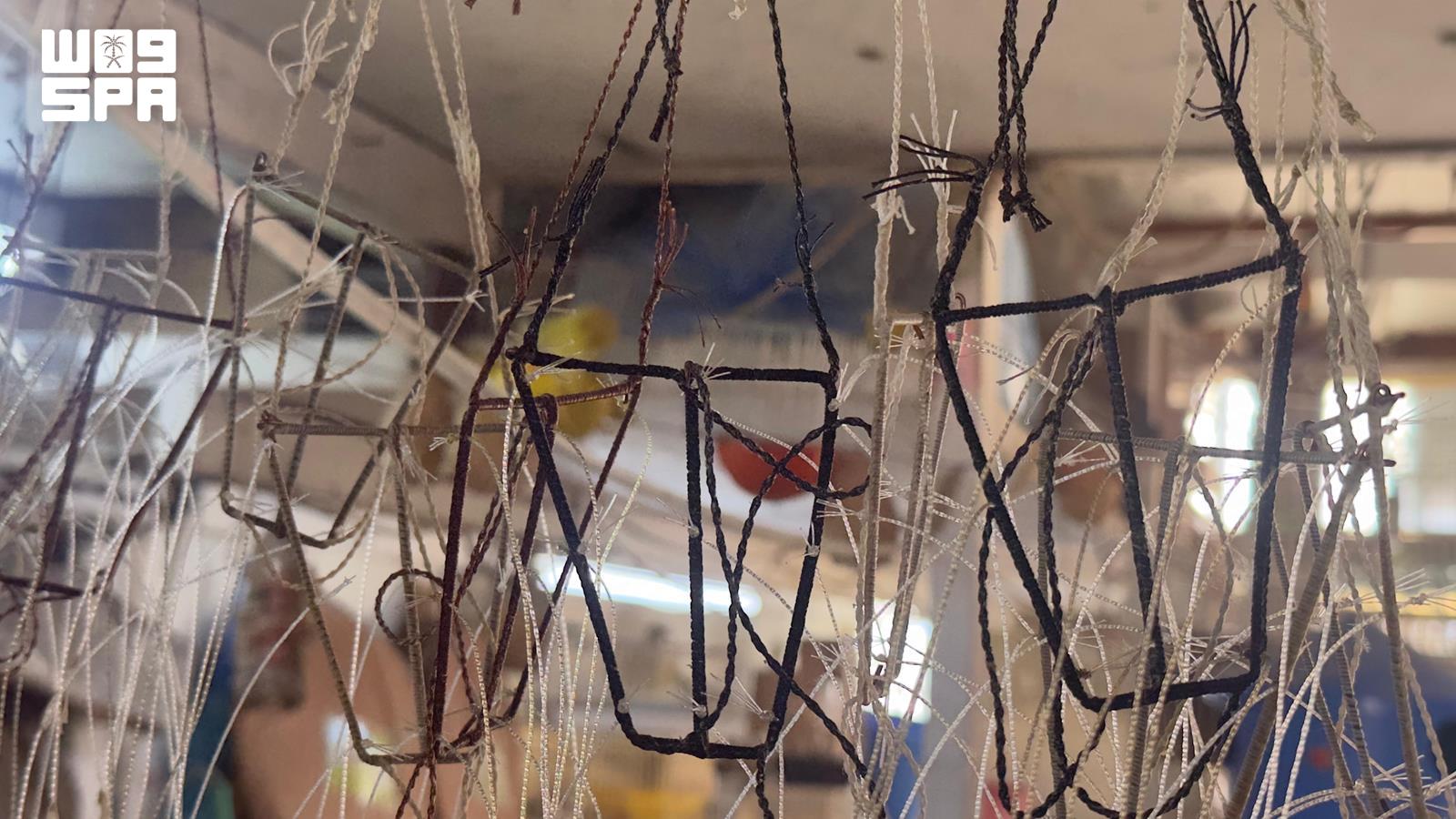
Falconry enthusiast and net-maker Ahmed Al-Banaqi explained that the nets are crafted from simple raw materials, including fine metal wires and thin nylon or silk threads, with each net weighing less than five grams. He noted that making a net takes about half an hour.
Al-Banaqi added that the net is typically placed on the back of a pigeon or jerboa, which serves as bait for the falcon. When the falcon swoops down on its prey, its talons become entangled in the net, allowing for easy capture.
Hamad Desert: a prime destination for falconers in autumn
The Hamad Desert in Turaif is among the top locations for falconers during migration season, as it lies along the migratory route of falcons—especially the peregrine falcon, which is frequently caught in the area each year.