

Theatrical illusion brings imagined worlds to life on stage
Theatrical illusion is a cornerstone of stage performance, enabling audiences to believe in imagined events through acting and integrated artistic elements.
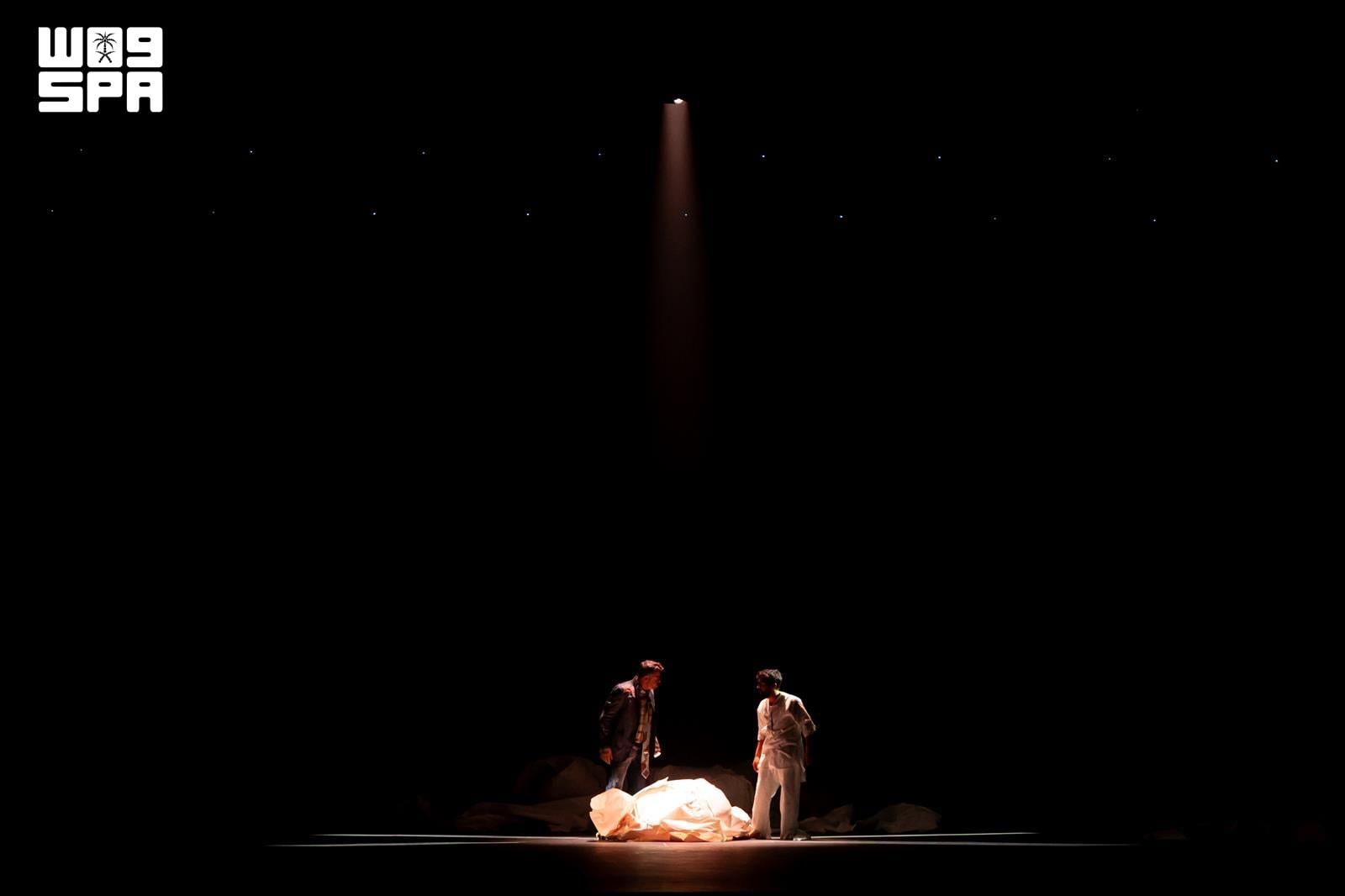
Key Takeaways
AITheatrical illusion is a fundamental artistic pillar in stage production, allowing imagined characters and events to appear believable to audiences. This is achieved by harnessing acting, visual, and auditory elements to create a dramatic world that captures the viewer’s attention.
The effectiveness of theatrical illusion depends on the production’s ability to convince audiences of the logic behind events and characters, even though they know it is a work of fiction. This is accomplished through the integration of elements such as acting, directorial vision, set design, lighting, costumes, sound effects, dialogue, and movement.
The actor’s performance stands out as a central component in building theatrical illusion. Portraying a character requires understanding its psychological and social dimensions and translating them into a performance that fits the role and dramatic context, using voice, facial expressions, body language, and interaction with other characters.
Actor Ali Al-Duwaiyan said that theatrical illusion is both an artistic and psychological process that helps convince audiences of the reality of what is presented on stage, even though they know it is a performance. He noted that audience reactions to scenes vary from person to person.
Actor Samir Al-Nasser pointed out that theatrical illusion begins with the script and is then realized through set design, lighting, musical effects, and actors’ performances. He emphasized that the use of emotion and movement helps persuade the audience of the events unfolding on stage.
Other artistic elements, such as set design that defines the setting, lighting that creates the dramatic atmosphere, costumes and accessories that reflect character traits, and sound effects that enhance scenes, all contribute to building the theatrical world. Their impact depends on how well they align with the script and the director’s vision.
Dr. Salman Al-Shahri, a cultural affairs specialist, explained that the integration of acting and artistic elements strengthens the credibility and impact of events on the audience, helping viewers engage with characters and situations. He noted that the success of theatrical illusion is not limited to imitating reality, but also involves engaging the audience emotionally and intellectually.
Various theatrical experiences have contributed to developing actor training methods, most notably the approach of Russian director and actor Konstantin Stanislavski, who focused on enhancing concentration, imagination, and understanding a character’s circumstances and motivations to build a performance marked by artistic authenticity.
Theatrical schools have not all approached illusion in the same way. While some traditions have encouraged audience immersion in the events, other approaches, such as the epic theatre associated with Bertolt Brecht, sought to limit emotional involvement and prompt the audience to analyze and reflect on the issues presented.
The importance of theatrical illusion goes beyond presenting imagined events realistically; it transforms the written script into a live artistic experience where image, sound, and movement interact, and imagination is embodied in tangible characters and situations on stage.