

Historic farms in Unaizah transformed into major heritage and tourism sites
Unaizah’s historic walled farms have become prominent heritage and tourist destinations, preserving their agricultural and architectural legacy, according to researcher Mohammed Al-Zunaidi.
Key Takeaways
AIThe historic walled farms of Unaizah in the Qassim region embody a rich agricultural and architectural heritage closely linked to the city’s origins and development. These old farms and orchards were once a primary source of food and employment, shaping local communities and driving economic and social growth.
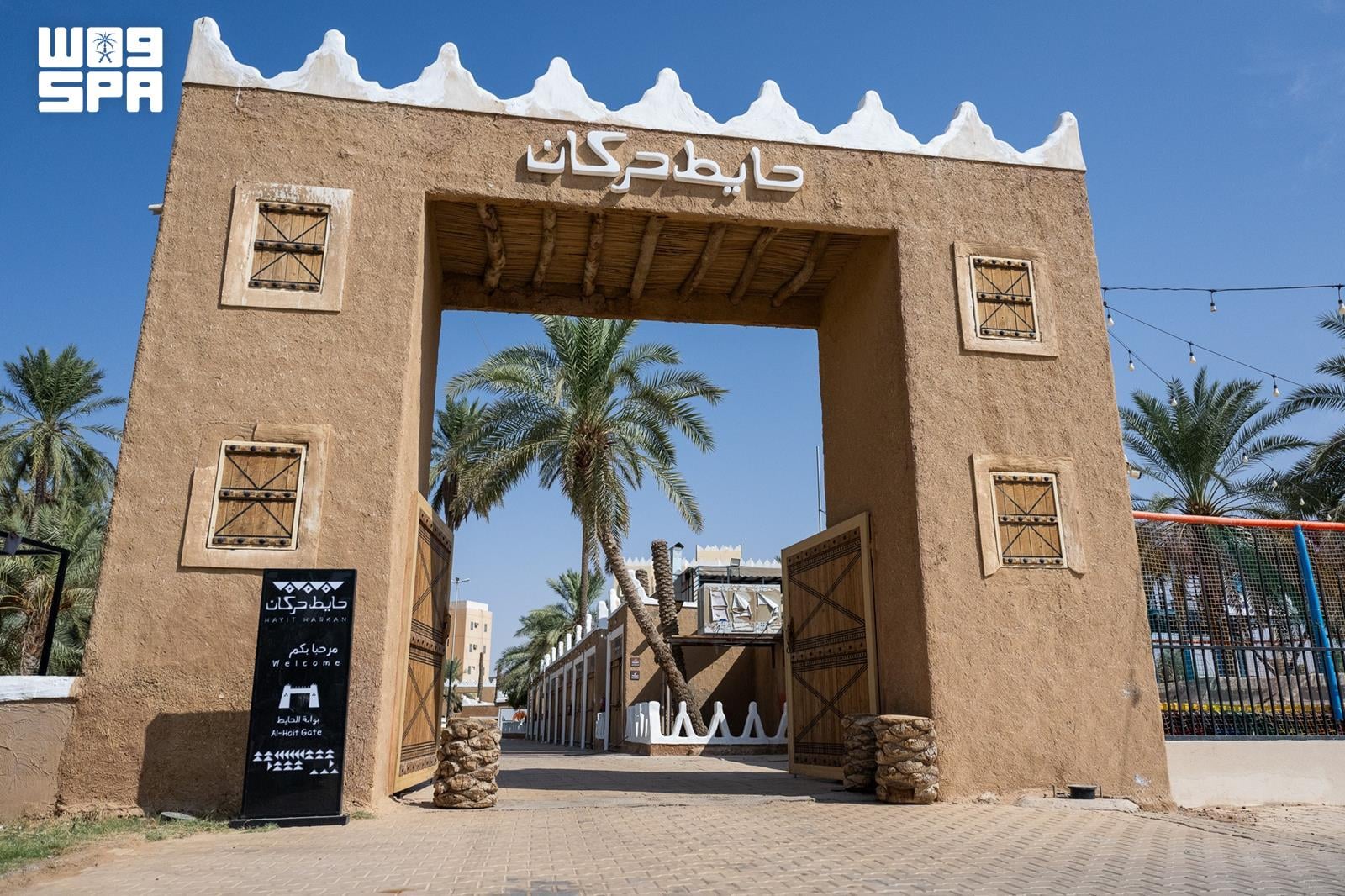
Several of these sites have now been transformed into popular heritage and tourism destinations for residents and visitors alike, while retaining their authentic features such as palm groves, traditional wells, and mud-brick buildings. These elements stand as living witnesses to the area’s history and its evolution over time.
Among the most notable historic farms in Unaizah are Harekan, Al-Badea, Al-Amir, Malihan, Qulaib Thabit, Al-Salmiya, Al-Awja, Al-Duraybat, Al-Mazada, and Al-Radama. These sites are deeply rooted in the region’s agricultural traditions and form an integral part of Unaizah’s local identity and collective memory.
Archaeology and heritage researcher Mohammed Ibrahim Al-Zunaidi explained that the term “Haytan” refers to farms and orchards traditionally enclosed by walls, locally known as “Falaih.” He noted that their names are often derived from their geographic locations, owners, or distinctive natural and agricultural features.
Al-Zunaidi pointed out that the emergence of these farms was closely tied to the availability of groundwater in the Rawdat Unaizah area, which created a favorable environment for settlement and agricultural activity. This led to the spread of farms and the formation of communities around them, with some sites likely predating the city’s current form and contributing to its earliest neighborhoods.
He emphasized that the farms played a vital economic and social role in the lives of Unaizah’s residents, with agriculture serving as the main source of livelihood. He estimated that between 80% and 90% of the population in earlier times depended on these farms either directly or indirectly.
Al-Zunaidi also highlighted the role of the farms in strengthening social ties and passing down agricultural knowledge and skills across generations, making them a key part of the community’s social memory.
He added that, with urban expansion and economic diversification in Unaizah, these farms have gained heritage and tourism value in addition to their agricultural significance, as they preserve historical features that reflect past lifestyles and work patterns.
Al-Zunaidi noted that community initiatives, including efforts by the Falaih Committee in Unaizah, have helped care for these sites, develop them, improve related services, and prepare them to welcome visitors and encourage investment in tourism and recreational activities that respect their heritage character.
Some of the farms have been converted into tourist and leisure destinations featuring cafes and restaurants, while preserving parts of their original agricultural and architectural elements. This allows residents and visitors to experience aspects of traditional agricultural life and enjoy the area’s heritage atmosphere.
Today, Unaizah’s historic farms stand as a model for preserving agricultural heritage while repurposing historic sites for tourism, helping to showcase local identity, enrich visitor experiences, and ensure the sustainability of landmarks tied to the city’s history of work and production.