
Aramco CEO: Strait of Hormuz closure is biggest oil shock in history, export alternatives in place
Aramco chief Amin Nasser says the Strait of Hormuz crisis is the largest oil supply shock ever, but the company has multiple export routes to ensure stability.
Key Takeaways
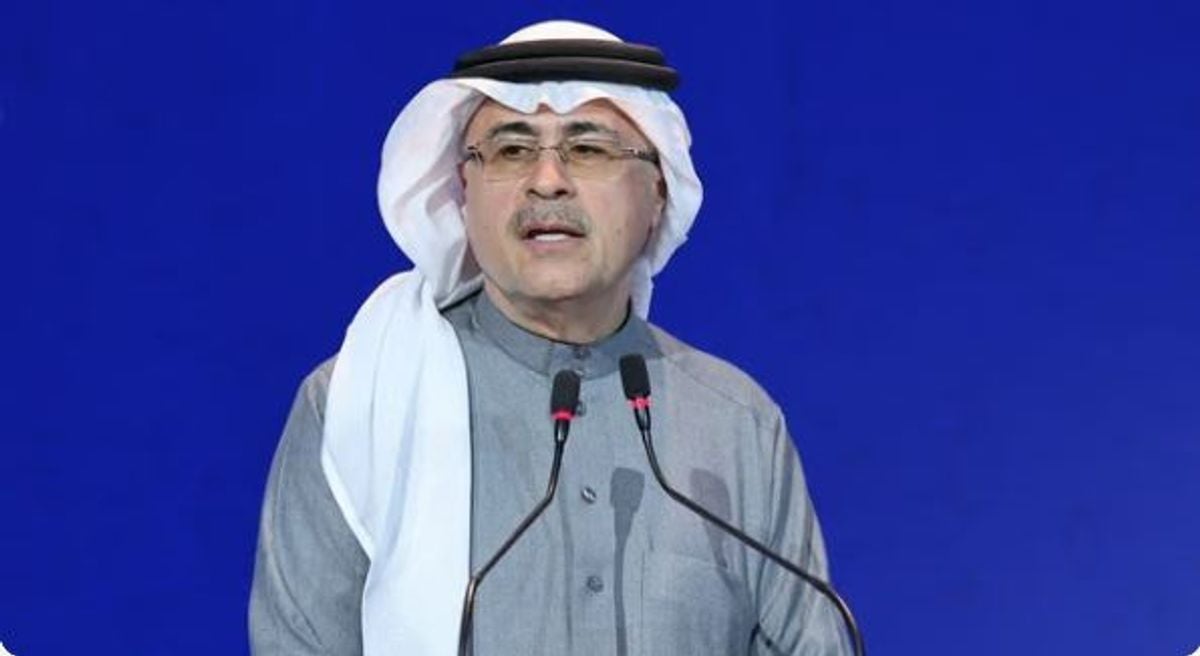
AIAmin Nasser, president and CEO of Aramco, said the world has faced the largest oil supply shock in history with the closure of the Strait of Hormuz, noting that the crisis affects not only global oil supplies but also global food security.
Nasser emphasized that Aramco has leveraged its operational infrastructure to reroute supplies, as the company has multiple export outlets and alternatives beyond the Arabian Gulf and the Red Sea.
Speaking to Al Arabiya, the Aramco chief said the company continued to deliver strong operational performance in the second quarter, benefiting from high readiness and efficient teams, which directly contributed to its financial results despite exceptional challenges in global energy markets.
Nasser added in his interview with Al Arabiya Business, following the company’s quarterly results announcement, that geopolitical events in the region have had a significant impact on oil markets. He said the closure of the Strait of Hormuz caused "the biggest oil supply shock in history," resulting in the loss of more than 2.66 billion barrels from global markets since the start of the crisis.
Amin Nasser explained that Aramco played a pivotal role in mitigating the crisis’s impact on global markets, drawing on its operational flexibility, advanced strategic planning, emergency response, and efficiency in managing production and distribution operations.
The Aramco chief said the company successfully utilized its integrated infrastructure to reroute supplies and continue meeting customer needs both locally and globally. He noted that Aramco exported about 5 million barrels per day through Yanbu port and supplied western region refineries with around 2 million barrels per day.
Nasser added that refining margins rose by more than 130% in the second quarter. Despite challenges and lower sales volumes, the company’s net income—excluding certain non-operational items—reached about 125 billion riyals (SAR) in the second quarter, an increase of over 30% compared to the same period last year.
He also said Aramco announced core quarterly dividends of nearly 82 billion riyals, up 3.5% year-on-year, reflecting the company’s strong financial position and commitment to delivering sustainable and growing returns to shareholders.
Nasser warned that if the crisis continues at its current pace, it could have major repercussions for the global economy and food security. He stressed that Aramco has many options and solutions to ensure its products continue reaching global markets.
He clarified that the common belief that Aramco’s exports rely solely on two main routes—the Arabian Gulf and the Red Sea—is inaccurate. Aramco can also export via the Suez Canal and the SUMED pipeline to the Mediterranean, and benefits from strategic storage facilities in Japan, South Korea, Egypt, and the Netherlands.
Nasser added that long-term investments in the East-West pipeline have enabled the company to pump up to 7 million barrels per day to its facilities on the Kingdom’s west coast, giving it significant flexibility to export via Bab Al-Mandab or through the Suez Canal to the Mediterranean.