

Saudi passports and civil affairs: a century-long journey to digital services
Over more than a century, Saudi Arabia’s passports and civil affairs sectors have evolved from manual record-keeping to advanced digital services for all.

Key Takeaways
AIFor more than a century, Saudi Arabia’s passports and civil affairs sectors have undergone successive organizational and technological transformations, evolving from manual record-keeping and population census to an advanced digital system serving citizens, residents, and visitors.
1924: Beginnings with population registration
The first phase began in 1924 (1343 AH), with the registration and census of the population and the establishment of an office to monitor and register foreigners. This step laid the foundation for managing population, identity, and foreign affairs, paving the way for a more organized system as the state’s responsibilities expanded.
1960: Separation from public security and formation of an independent directorate
In 1960 (1380 AH), the sectors entered a new organizational phase after being separated from the Directorate of Public Security and forming the General Directorate of Passports and Nationality. This enhanced operational independence and increased specialization in carrying out their duties.
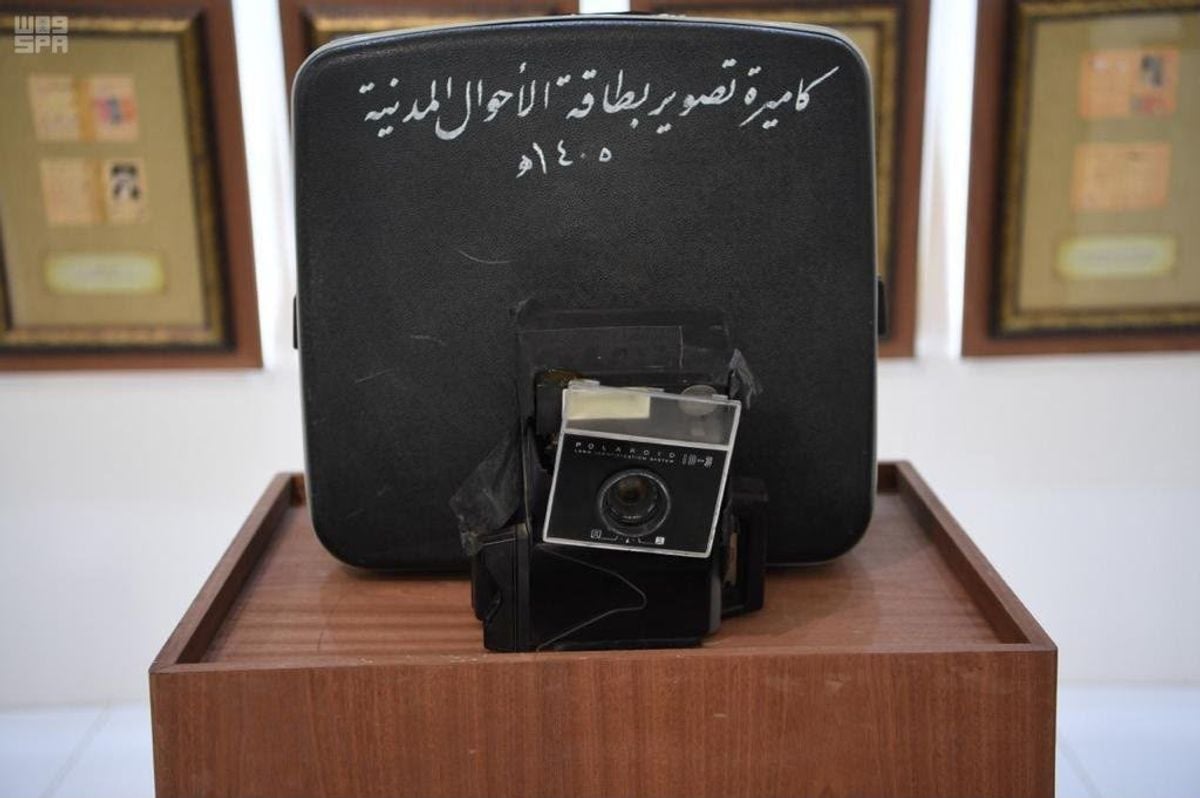
1982: Each sector becomes administratively independent
The year 1982 (1402 AH) marked a pivotal milestone when the two sectors were separated into independent administrative bodies: the General Directorate of Civil Affairs and the General Directorate of Passports. This began a new era of institutional development.
Broad technological transformation
Over the years, both sectors expanded their services and continuously updated their systems and procedures, culminating in digital transformation, electronic integration, and the adoption of modern technologies. These advances have reduced processing times, accelerated transactions, and minimized the need for in-person visits.
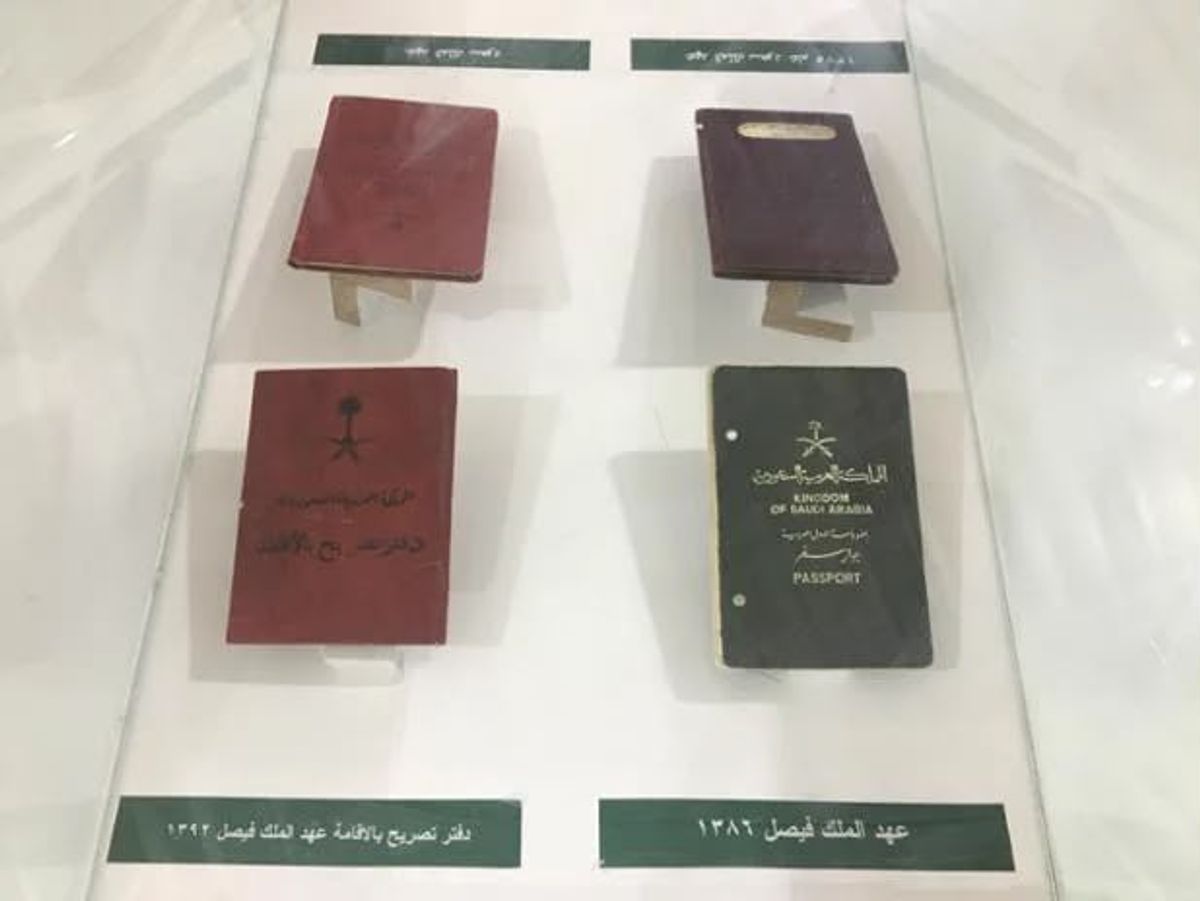
From traditional service to a fully digital experience
Today, the state of the passports and civil affairs sectors reflects the scale of transformation in Saudi government services, shifting from traditional paperwork to faster, more efficient, and flexible digital services.
This progress continues, moving toward a future increasingly reliant on smart services and digital integration, in line with Saudi Vision 2030’s goals to develop government services, enhance user experience, and improve quality of life.