

Early breast cancer detection vital, says Dr. Noha Al-Saleh
Dr. Noha Al-Saleh highlights the importance of early breast cancer screening and explains how dense breast tissue can complicate mammogram results.
Key Takeaways
AIDr. Noha Al-Saleh, consultant surgeon and member of the Idraak Oncology Association, emphasized that lacking a family history of breast cancer does not eliminate the risk of developing the disease, nor does it replace the need for recommended screenings. She stressed the importance of evaluating each case and establishing an appropriate follow-up plan when risk factors are present.
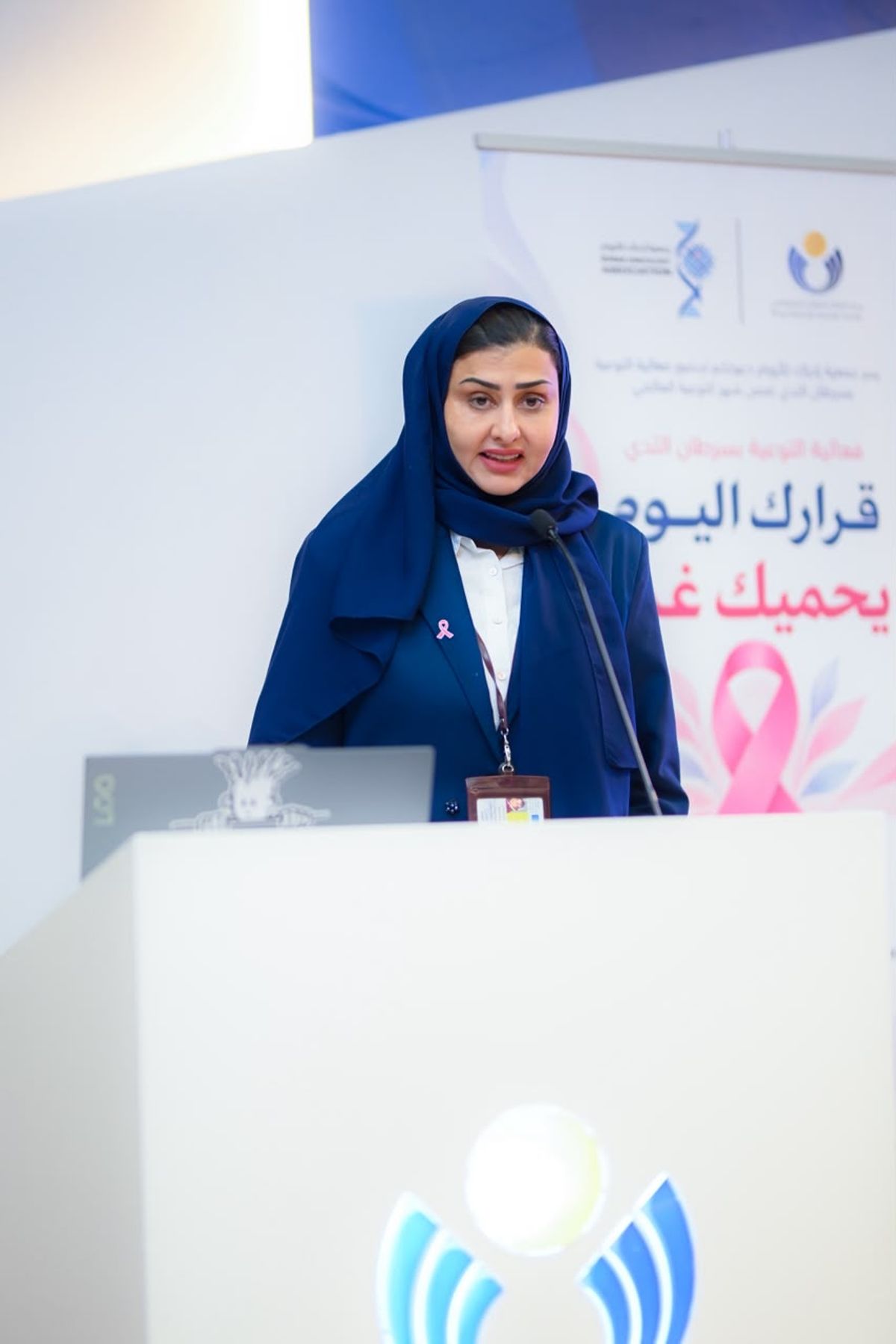
Her remarks came during an awareness event organized by the Idraak Oncology Association under the slogan "Your decision today protects you tomorrow" at the King Salman Social Center in Riyadh.
Al-Saleh explained that early detection screenings target women who show no symptoms, aiming to identify changes before they become noticeable. These differ from diagnostic tests, which are conducted when a lump or other breast changes are observed. She underlined the importance of not waiting for symptoms before starting regular screenings, which should be based on age and risk level.
She noted that mammography, or X-ray imaging of the breast, is the primary method for early detection. In Saudi Arabia, routine mammograms begin at age 40 for women at average risk, while those at higher risk may need to start earlier and undergo additional tests as determined by specialists.
Challenges of breast density and the need for balanced awareness
Al-Saleh pointed out that dense breast tissue can make it more difficult to detect some tumors via mammogram, sometimes requiring supplementary methods such as ultrasound or MRI, depending on imaging results and individual risk factors. She stressed the importance of having images interpreted by specialists in breast radiology.
She added that risk factors include increasing age, family history, and genetic mutations such as BRCA1 and BRCA2, as well as modifiable factors like being overweight and lack of physical activity. Al-Saleh also highlighted the need to discuss the use of hormone replacement therapy with a doctor, weighing its benefits and risks.
Al-Saleh urged women to consult a doctor if they notice a lump in the breast or underarm, changes in the skin or nipple, or unusual discharge. She clarified that breast pain is often due to benign causes, but should be evaluated if it persists or is accompanied by new changes.
She explained that breast cancer includes various types with different biological characteristics and treatment approaches, and that treatment plans are determined by the tumor type, stage, and the patient's condition, making it inaccurate to generalize one experience to all patients.
Regarding the scale of the disease, the World Health Organization estimates that around 2,400,000 women worldwide will be diagnosed with breast cancer in 2024. The Saudi Cancer Registry reported 3,472 cases among Saudi women in 2021, accounting for 32.5% of all cancers registered in women.