

Islamic Military Coalition and UN launch legal training to combat terror financing
The Islamic Military Counter Terrorism Coalition and the UN have launched a legal training program for Palestinian and Chadian professionals to fight terror financing.
Key Takeaways
AIThe Islamic Military Counter Terrorism Coalition (IMCTC) today launched a legal training program focused on combating the financing of terrorism, in partnership with the United Nations Counter-Terrorism Centre (UNCCT).
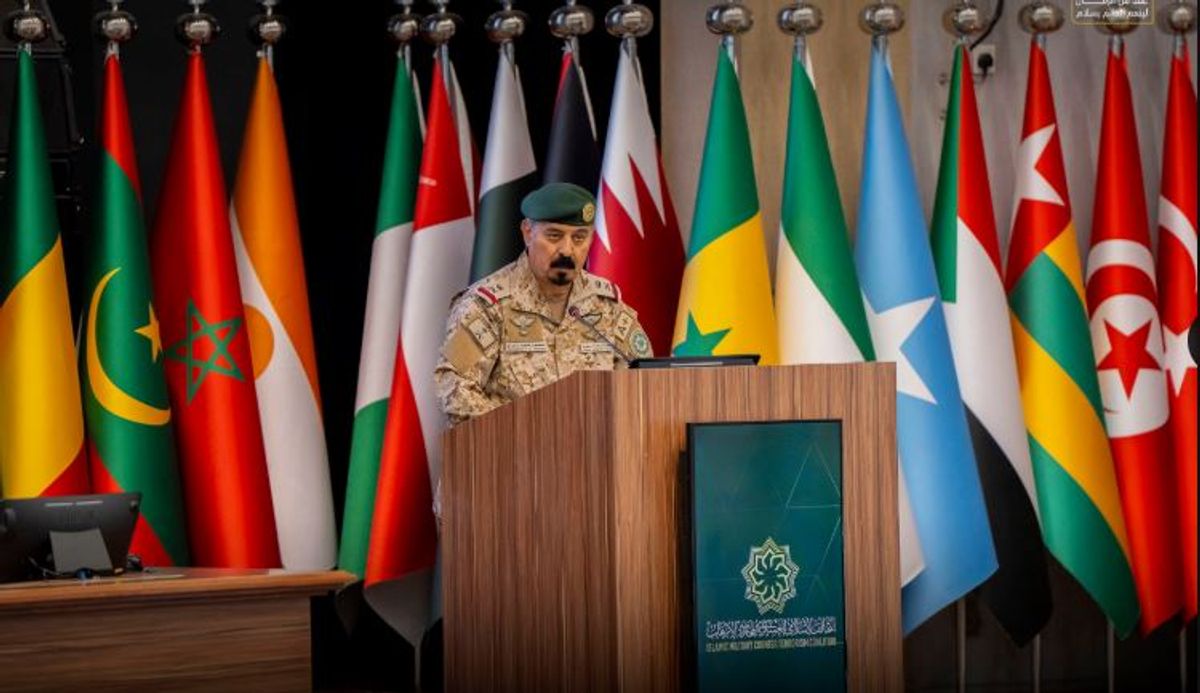
According to a statement posted on the IMCTC's official X account, the launch was attended by IMCTC Secretary-General Maj. Gen. Pilot Mohammed bin Saeed Al-Moghedi, representatives of member states, and 25 trainees from Palestine and Chad.
The program, running from July 19 to 23, marks a new step in the strategic partnership between the coalition and the United Nations to strengthen the international legal framework against terror financing by developing and qualifying national professionals in line with the latest international standards and practices.
During the opening, Maj. Gen. Al-Moghedi stressed that building legal capacity forms the first line of defense against terror financing crimes. He noted that developing legislation, enhancing the efficiency of judicial and security bodies, and boosting international cooperation are key to depriving terrorist organizations of their funding sources and drying up their resources.
He added that the coalition continues to implement specialized programs in partnership with international organizations and member states, in line with its vision to unify global efforts against terrorism, build national capacities, and promote the exchange of expertise and knowledge to meet evolving security challenges and enhance the readiness of national institutions to effectively address crimes related to terror financing.
The program aims to develop the legal, institutional, and operational capacities of personnel in law enforcement agencies, financial intelligence units, public prosecutions, and other relevant bodies, strengthening their ability to detect, investigate, and prosecute terror financing crimes in line with international obligations and best practices.
It also focuses on advancing national legal frameworks, promoting the implementation of international conventions and relevant UN Security Council resolutions, and the recommendations of the Financial Action Task Force (FATF), as well as supporting mechanisms for international cooperation, including mutual legal assistance, extradition, joint investigations, and information sharing.
View the post on X