

Saudi public security chief: Focus shifts to proactive crime prevention
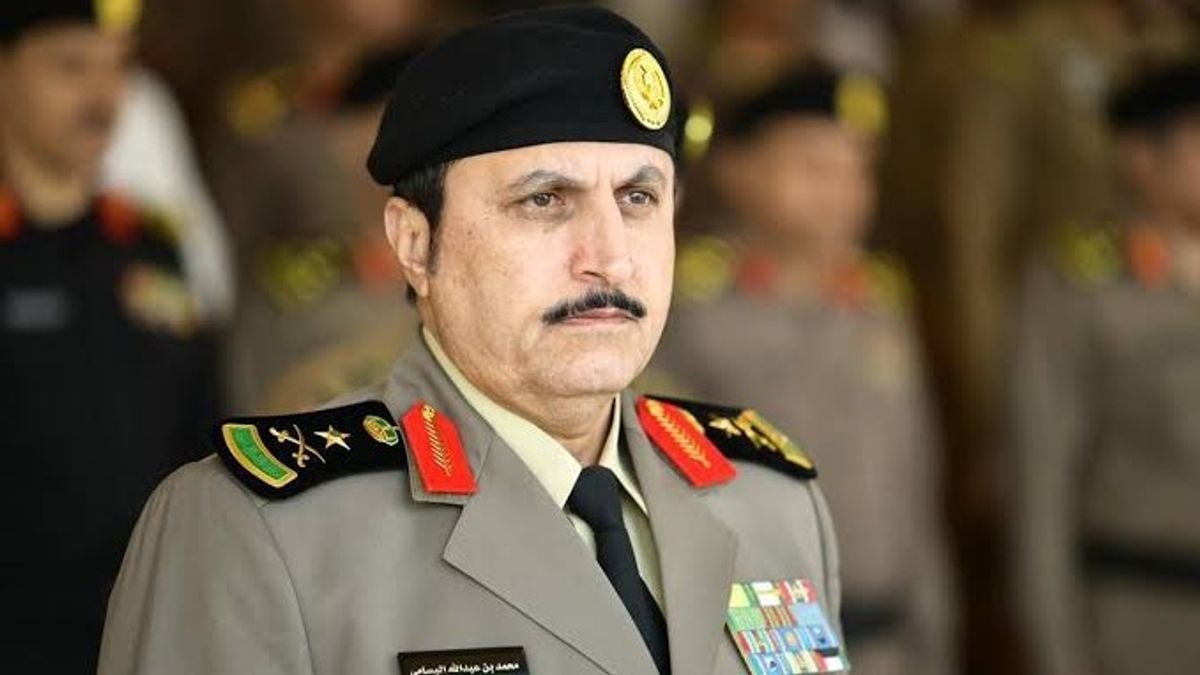
Saudi Public Security Director Mohammed Al-Bassami says security work now emphasizes proactive indicators to prevent crime, not just response after incidents.
Key Takeaways
AISaudi Public Security Director Mohammed bin Abdullah Al-Bassami has said that the development of security work in the Kingdom is no longer based solely on responding to crime after it occurs, but has shifted to measuring proactive indicators to prevent crime. He emphasized that people will remain at the center of security work, regardless of technological advancements.
Speaking at the Security and History Dialogue Conference, Al-Bassami said the story of security in Saudi Arabia has, since its founding, been linked to building a state protected by authority, governed by law, and making security a tangible part of people’s lives, property, journeys, and future.
He explained that the nature of security work requires dealing with a changing environment, where some decisions must be made in seconds and can have significant impacts on people’s lives, rights, and safety. He stressed that, no matter how advanced, technological tools do not bear the responsibility of decision-making.
He said: “Technology can present an image, but it does not bear the responsibility for decisions. The system can define procedures, but it cannot see every detail of reality.” He noted that security personnel, leaders, and analysts are the link that gives meaning to tools and technology in the field.
Al-Bassami underlined that the evolution of security tasks requires continuous training, explaining that handling larger areas, bigger crowds, and faster technologies demands ongoing learning, drills, simulations, and operational reviews, as well as turning lessons learned into curricula and procedures.
View the post on X
He noted that accumulated experience is a key element in building security institutions, stressing that while equipment can be purchased and systems developed, “experience cannot be imported ready-made.” Instead, it is formed over years of work, thousands of situations, and the institution’s ability to retain lessons learned, even as individuals leave.
Al-Bassami described the development of leaders as a “security project” in itself, explaining that a leader who combines field knowledge, data analysis, understanding of regulations, and grasp of complex situations enhances the system’s capabilities and maximizes its impact.
He affirmed that higher leadership standards enable resources to produce more accurate, faster, and more effective decisions, adding that security in Saudi Arabia is not only about protecting the future, but also shaping it.
Regarding the work of security personnel during the Hajj season, Al-Bassami said that officers combine strict organization with humane service, by preventing violations, guiding the lost, assisting the elderly, directing pilgrims, and safeguarding the sanctity of the holy sites.