

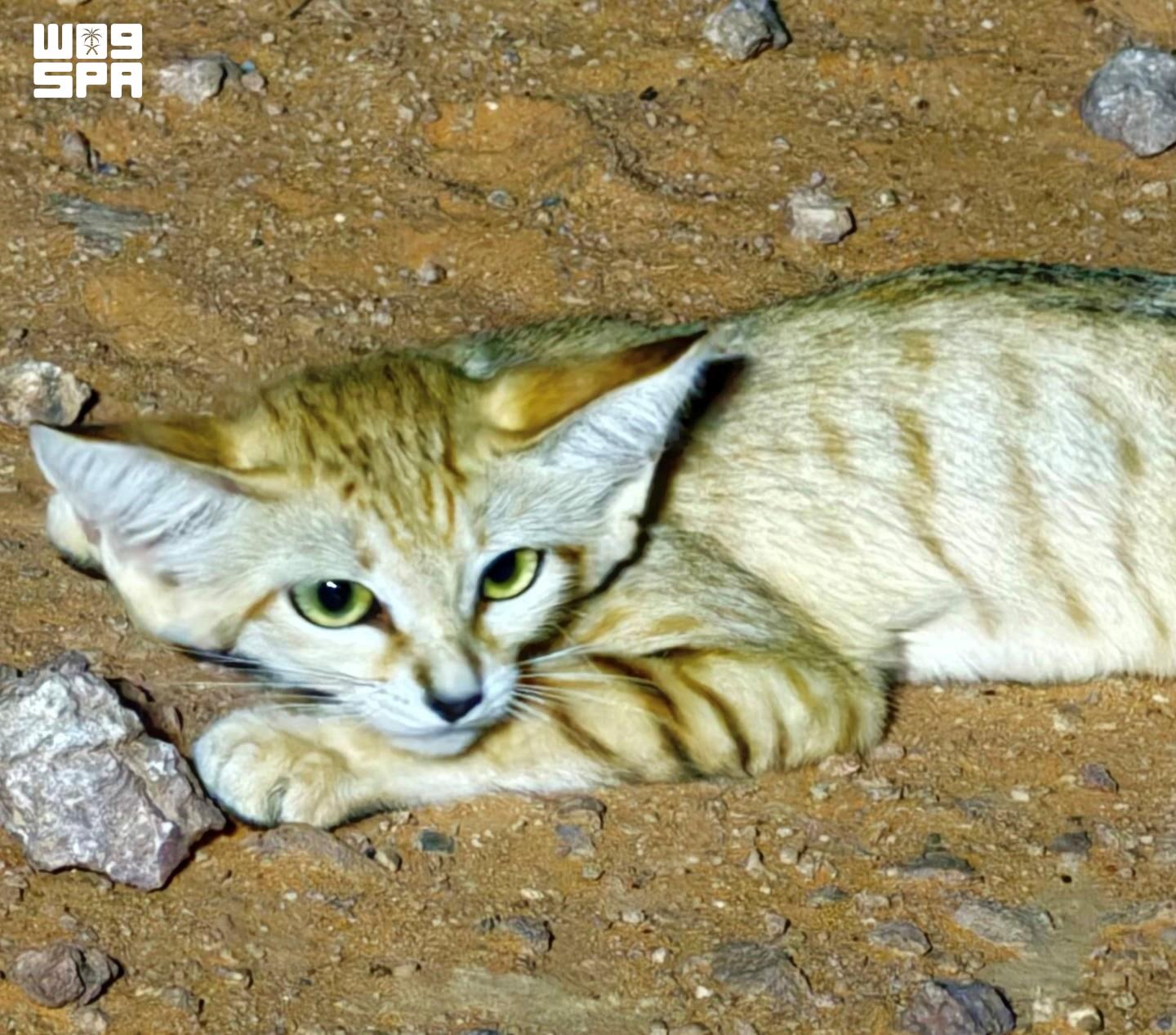
Sand cat sightings continue in Imam Turki bin Abdullah Royal Reserve
Ongoing sand cat sightings in Imam Turki bin Abdullah Royal Reserve highlight rich biodiversity and the impact of conservation efforts.
Key Takeaways
AIThe sand cat continues to be observed in its natural habitat within the Imam Turki bin Abdullah Royal Reserve, reflecting the rich biodiversity of the reserve and underscoring the importance of ongoing efforts to protect native species and their habitats in Saudi Arabia.
The sand cat is a wild mammal uniquely adapted to desert environments, known for its exceptional ability to survive harsh climatic conditions, as well as its remarkable camouflage and agility among sand dunes. These traits make it one of the most distinctive species representing desert ecosystems in the Arabian Peninsula.
The continued presence of the sand cat in the reserve is part of broader efforts to protect wildlife and maintain ecological balance by providing safe natural habitats and strengthening conservation and monitoring programs, which contribute to the sustainability of native species and support biodiversity.
Imam Turki bin Abdullah Royal Reserve and its environmental role
The Imam Turki bin Abdullah Royal Reserve is the second largest nature reserve in Saudi Arabia, covering 91,500 square kilometers. It encompasses a vast range of desert environments that are home to many native animal species and local plants.
In this context, the reserve serves as a national pillar for the conservation of natural resources, supporting environmental sustainability initiatives and raising awareness about the importance of protecting wildlife.
The ongoing sightings of the sand cat in its natural environment demonstrate the success of efforts to preserve natural habitats, further supporting biodiversity and highlighting the vital role of royal reserves as sanctuaries for native species and contributors to ecological balance in the Kingdom.