

Syrian foreign minister thanks Saudi Arabia, Egypt, Jordan, Morocco and urges global pressure to stop Israeli violations in breach of 1974 agreement and international law
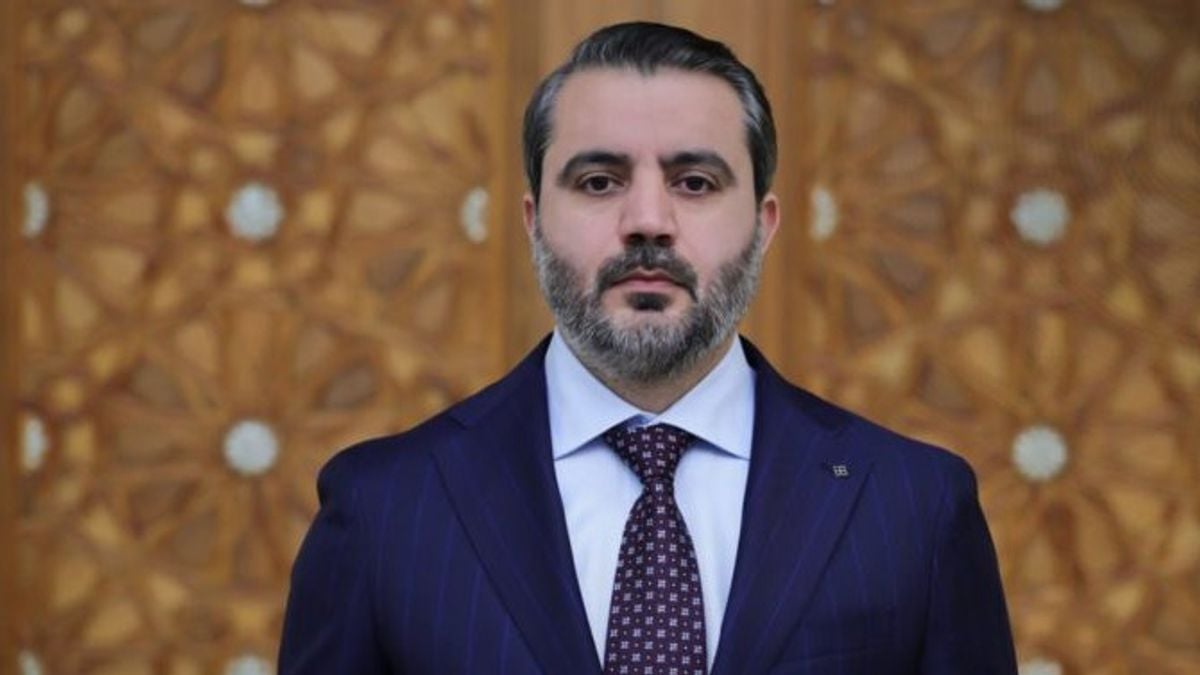
Syrian Foreign Minister Asaad Shibani thanked Saudi Arabia, Egypt, Jordan, and Morocco for supporting a key IAEA decision and called for international pressure to halt Israeli violations in breach of the 1974 Disengagement Agreement and international law.
Key Takeaways
AISyrian Foreign Minister Asaad Shibani said the decision by the International Atomic Energy Agency (IAEA) Board of Governors to close the open non-compliance file against Syria, which had been on the agenda since 2011, marks a turning point and opens a new chapter based on transparency, cooperation, and mutual trust.
In a video address to the IAEA’s 70th General Conference on Monday, Shibani stated: “This decision, adopted by consensus on September 9, closes a 15-year chapter and ushers in a new era, culminating in a historic, collective resolution that ends doubt and opens the door to certainty and cooperation.”
Praise for international support and cooperation with the IAEA
Shibani expressed his gratitude to Egypt, Jordan, Morocco, and Saudi Arabia for sponsoring and presenting the draft resolution, as well as to all countries that supported the process. He also thanked the IAEA Secretariat, led by Director General Rafael Grossi, Deputy Director General and Head of Safeguards Massimo Aparo, and the inspection teams for their continued fieldwork, calling the achievement a result of joint efforts.
He explained that on July 17, Damascus made an independent sovereign decision, sending an official letter to the IAEA disclosing the presence of nuclear material at an undeclared site. On July 29, Syria signed a memorandum of understanding and a clear roadmap for the peaceful use of nuclear energy.
Deir Ezzor: Field cooperation after decades of closure
Shibani noted that Syria opened the Deir Ezzor site to the IAEA, allowing Grossi to visit on August 16 for the first time in nearly two decades. He highlighted the start of joint work with IAEA experts to remove remnants of the reactor from beneath reinforced concrete layers.
He added that Syria also provided design information and nuclear material accounting reports that the Board of Governors had requested since 2011, noting that 73 tons of natural uranium are now under IAEA supervision and safeguards, and will remain secure in Syria.
File resolved in weeks after 15 years
Shibani stressed that the Syrian Atomic Energy Commission and its national staff, despite limited resources, resolved in a few weeks what had remained unresolved for 15 years. He pointed out that IAEA reports themselves documented the facts of the case and identified shortcomings inherited from the previous regime.
He emphasized that the new Syria is addressing this legacy with a different approach, making transparency a firm sovereign principle and a lasting strategic decision that goes beyond temporary stances and fleeting maneuvers.
Syria offers a model for resolving proliferation issues through cooperation
Shibani said the implications of these developments go beyond Syria, arguing that Syria’s experience provides a model for addressing nuclear proliferation issues through cooperation and transparency rather than coercion. He affirmed Syria’s readiness to share its expertise with any country facing similar challenges.
He renewed his call for the implementation of the 1995 resolution on establishing a Middle East free of nuclear and other weapons of mass destruction, and for all facilities in the region, without exception, to be subject to the IAEA’s comprehensive safeguards system.
Israeli violations test the international community
Conversely, Shibani pointed to the continued violations of Syrian sovereignty and targeting of Syrian lands by Israeli forces, in breach of the 1974 Disengagement Agreement and international law.
He said: “The contrast between Syria’s commitment to international legitimacy and Israel’s continued violations puts the international community’s credibility to the test,” calling for effective and firm diplomatic and international pressure to halt these attacks and compel Israeli forces to return to compliance with the 1974 agreement and withdraw fully to lines before December 8.
He warned that ongoing disregard for these violations threatens international peace and security and undermines the principles of international law.
Syria seeks peaceful nuclear energy for health, food, and power
Shibani said closing the file marks the start of a new era, noting that the roadmap signed with the IAEA has entered into force and that Syria aims to use peaceful nuclear energy for development.
He explained that Syria’s priorities include rehabilitating nuclear medicine infrastructure for cancer treatment, using isotope technologies in agriculture and groundwater management to address drought, improving food radiation monitoring, and supporting scientific research and energy production.
He said: “Syria wants from the atom what heals, feeds, and lights,” stressing that the next program will be under international supervision, with nuclear materials subject to strict safeguards and a cooperation program to benefit future generations.
Syria regains its place in the non-proliferation system
Shibani noted that Syria has regained its natural status among the parties to the Treaty on the Non-Proliferation of Nuclear Weapons, saying this step aligns with Syria’s foreign policy of openness and restoring an active diplomatic role.
He affirmed that this position will be strengthened by upholding ethical and political responsibility and adhering to the values of transparency, dialogue, and diligent work.
Concluding his remarks, Shibani invited the IAEA director general, agency members, partners, and friends to visit Damascus, saying the door Syria opened to inspectors “remains open today to partners and friends.”