

Sudan faces deepening humanitarian crisis as 15.4 million need shelter
The UN has warned of escalating drone attacks in Sudan and border areas, after strikes in the disputed Abyei region killed at least 30 and wounded dozens.
Key Takeaways
AIThe United Nations has warned of escalating drone attacks in Sudan and its border regions, after strikes in the disputed Abyei area between Sudan and South Sudan killed at least 30 people and wounded around 59 others. The attacks have targeted vital infrastructure and residential areas, raising concerns over the continued delivery of humanitarian aid to those affected.
Denise Brown, the UN Humanitarian Coordinator in Sudan, said drone strikes have targeted power stations and fuel facilities, disrupting relief operations, especially in areas already facing fuel shortages.
In the latest developments, drones struck an electricity transmission station and the Roseires Dam in Damazin, causing widespread power outages, according to local sources cited by the UN.
Another attack on a residential area killed two civilians, while airstrikes in Umm Badr killed two women, injured 10 people, and caused severe damage to two water stations.
In Abyei, Jean-Pierre Lacroix, UN Under-Secretary-General for Peace Operations, reported that at least 30 people were killed and around 59 wounded in drone attacks on October 19.
Lacroix explained that these attacks, the first of their kind in the region, sparked widespread fires and displaced dozens of civilians. They followed clashes in the Amiet market area on September 15, which left 124 dead and 40 wounded.
The UN official warned that security threats in Abyei now extend beyond traditional local disputes and are increasingly influenced by political and economic conflicts in the region.
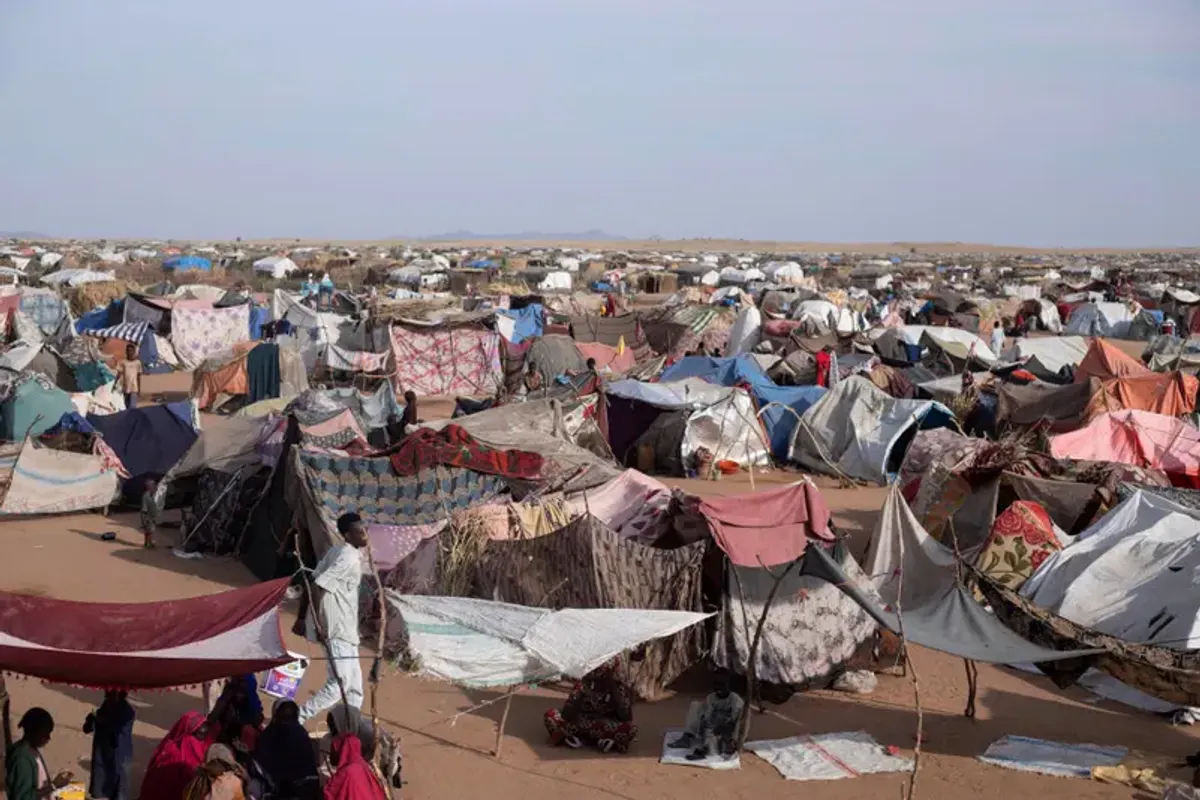
15.4 million people in need of shelter
Alongside these developments, Sudan's relief efforts face a funding crisis that threatens shelter services for millions of displaced people, as 15.4 million urgently require shelter assistance.
According to the UN, Sudan's $2.9 billion humanitarian response plan has received less than half the required funding, jeopardizing relief programs across much of the country as the year draws to a close and humanitarian organizations struggle to meet basic needs.
Millions forced to flee their homes risk losing shelter services, as they require safe accommodation and essential supplies to protect them from harsh weather conditions.
While some aid continues to arrive, including malaria treatments for 800,000 people in Darfur and West Kordofan, the funding gap still threatens other essential humanitarian services.
In the health sector, the International Organization for Migration has warned that about 100,000 people could lose access to healthcare if the only clinic at the Wunthou border crossing between Sudan and South Sudan closes by December.