

Oil tankers hit by naval mines as tensions rise in Strait of Hormuz
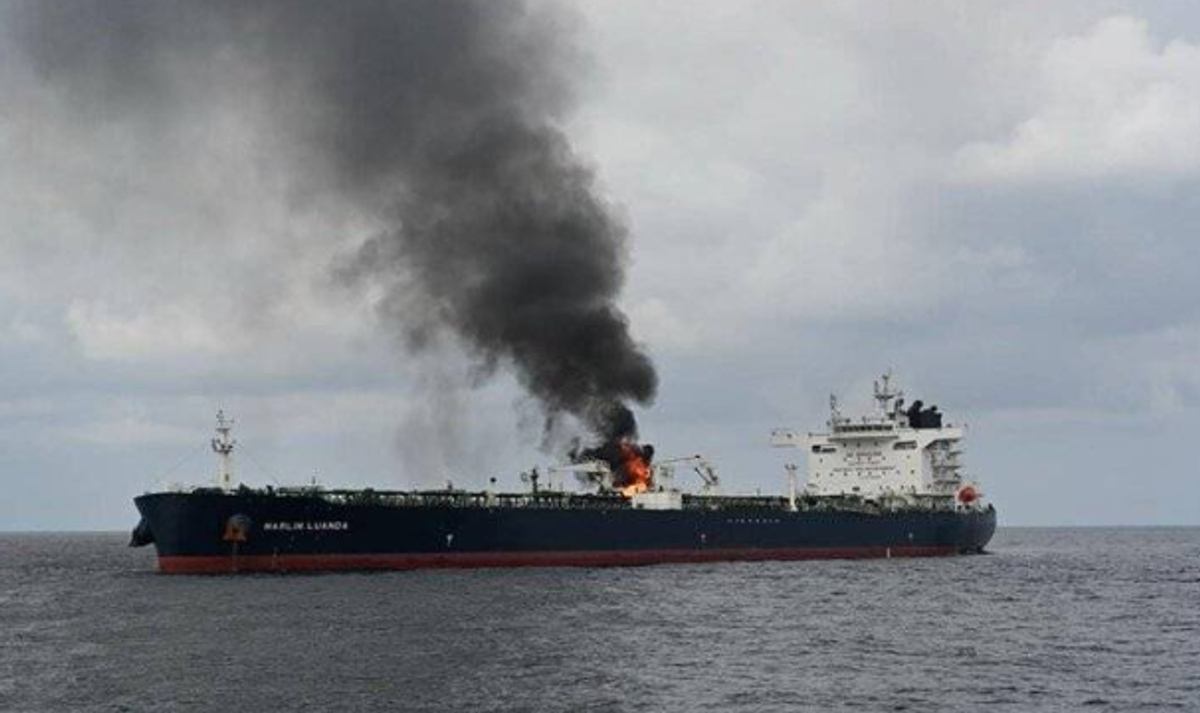
Two oil tankers caught fire in the Strait of Hormuz after reportedly striking naval mines, highlighting escalating security risks in the vital waterway.
Key Takeaways
AI
Two oil tankers caught fire within hours in the Strait of Hormuz, with the Iranian navy claiming both incidents were caused by naval mines. The development underscores growing security risks for shipping in the strategic waterway, amid ongoing Iranian restrictions on vessel passage and a rise in incidents involving oil tankers.
The Iranian navy reported that a "violating" oil tanker caught fire and became stranded east of the Strait of Hormuz earlier today, alleging the vessel had disabled its navigation systems, according to Iran's Tasnim news agency.
In its statement, the Iranian navy also revealed that another oil tanker had caught fire earlier the same day after striking a naval mine. The navy insisted that ships wishing to transit the strait must coordinate in advance with Iranian armed forces, adhere to permitted maritime routes, and keep identification, tracking, and guidance systems active throughout their passage.
Repeated incidents and Iranian restrictions on Hormuz shipping
The recent developments are not limited to the two tankers. In recent weeks, the Strait of Hormuz has seen a series of incidents affecting ships and oil tankers. Iranian authorities and the UK Maritime Trade Operations agency have reported vessels catching fire or being damaged after striking naval mines.
These incidents have been accompanied by Iranian accusations that some vessels are using routes Tehran deems unauthorized or in violation of transit regulations. Iran continues to impose restrictions on shipping and targets vessels it claims breach its declared navigation rules.
Data from the Washington Institute for Near East Policy indicates that at least ten ships were attacked in the first ten days of November, compared to 37 attacks in October—the highest monthly total since the outbreak of conflict in late February.
Strait of Hormuz: The global energy corridor amid escalation
The repeated incidents in the Strait of Hormuz are particularly significant given its role in global energy supplies. About one-fifth of the world's oil and liquefied natural gas passes through the strait, making any disruption a major concern for energy markets and international trade.
Iran seeks to assert its influence over the waterway and uses shipping restrictions as leverage against the United States, amid ongoing military and security tensions in the region.
Stalled negotiations between Washington and Tehran
The escalation in the Strait of Hormuz coincides with stalled diplomatic efforts to resume negotiations between the United States and Iran, despite Qatari attempts to restart talks between the two sides.
In this context, US President Donald Trump stated he does not see a need for an agreement with Iran, while Tehran maintains seven conditions for returning to the negotiating table.
Iran's demands include a halt to fighting on all fronts, lifting of US sanctions, ending the naval blockade on Iranian ports, and releasing Iranian funds frozen abroad.
As a result, maritime incidents in the Strait of Hormuz continue alongside stalled diplomacy, raising concerns about the impact of ongoing disruptions on global energy supplies and trade.