

GCC chief calls for stronger regional, global cooperation at 2026 Mediterranean Dialogues Forum
Jassem Al-Budaiwi urged deeper regional and international cooperation to bolster security and stability in the Gulf and Mediterranean at the 2026 Mediterranean Dialogues Forum in Naples.
Key Takeaways
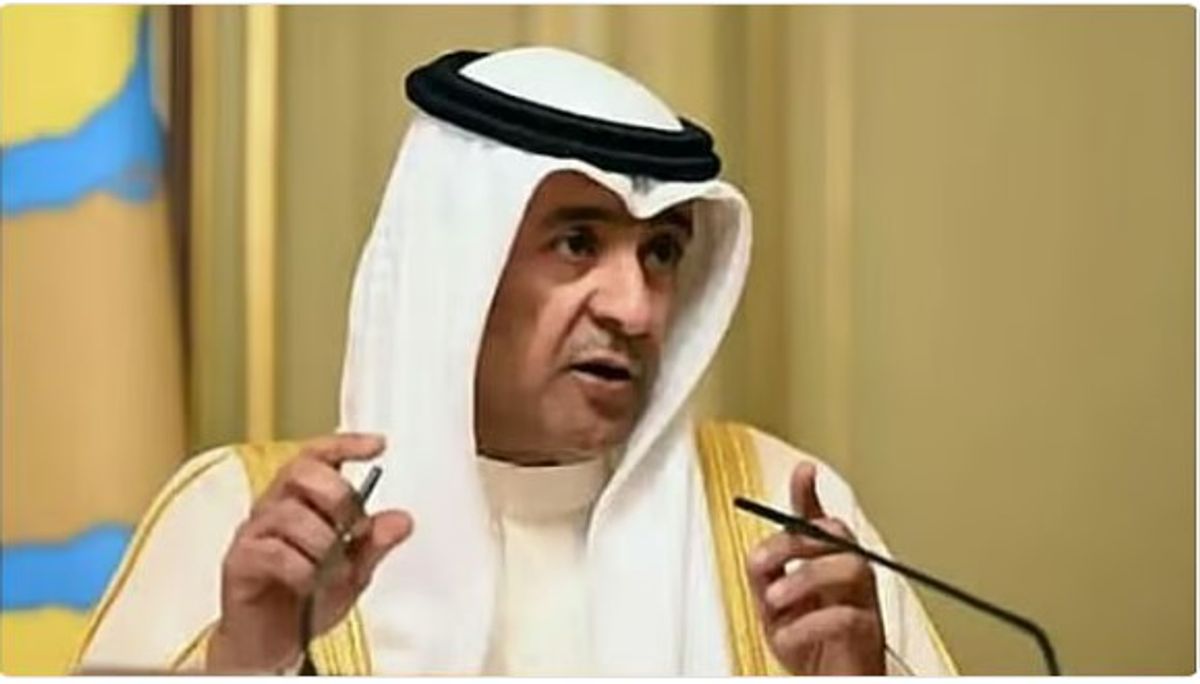
AIJassem Mohammed Al-Budaiwi, Secretary-General of the Gulf Cooperation Council, emphasized the importance of strengthening regional and international efforts to address challenges and promote security, stability, and prosperity in the region and globally. He noted that the security of the Arabian Gulf and the Mediterranean are fundamental pillars of international peace and stability.
Al-Budaiwi made these remarks during his address at the opening session of the "Mediterranean Dialogues 2026" forum, held today at the Royal Palace in Naples, Italy. The event was sponsored by Italian Deputy Prime Minister and Minister of Foreign Affairs Antonio Tajani, and attended by foreign ministers, senior officials, and political and diplomatic figures.
He expressed his gratitude to the Italian government and the Italian Institute for International Political Studies for organizing the forum, praising Italy’s role in fostering dialogue and partnerships between Gulf and Mediterranean countries.
Al-Budaiwi commended Mediterranean nations for their solidarity with GCC states in confronting Iranian aggression and Houthi terrorist attacks against Saudi Arabia, describing this as a testament to the importance of international unity in facing threats to security and sovereignty.
He highlighted the growing ties between the Gulf and Mediterranean regions, noting that the signing of a memorandum of understanding between the GCC and the Italian Ministry of Foreign Affairs last July marked a step toward expanding partnership. He affirmed that the two regions have become a strategically interconnected space in energy, trade, investment, and maritime routes.
Al-Budaiwi also looked forward to a joint ministerial trade meeting between the GCC and the Med9 group of Mediterranean countries, set to be held in Italy next January, to further enhance cooperation and economic integration.
He outlined three pillars for building a more effective cooperation framework between the Gulf and Mediterranean: first, building on and developing existing partnerships while strengthening links between cooperation mechanisms without creating new frameworks; second, linking security with economic prosperity, stressing that ensuring freedom of navigation in the Strait of Hormuz, Bab Al-Mandab, and the Suez Canal is a global interest; and third, achieving balance and equity in strategic partnerships, with clear rules and fair opportunities for market access and facilitating movement for citizens and businesses.
On the Palestinian issue, Al-Budaiwi reiterated that lasting security and stability cannot be achieved without a just solution based on the two-state formula, the June 4, 1967 borders, and East Jerusalem as the capital.
He underscored the importance of the role played by European Mediterranean countries in supporting Gulf-European relations within the European Union and in strengthening strategic partnerships on security and economic development issues.
Concluding his remarks, Al-Budaiwi stressed that the historical ties and shared interests between the Gulf and Mediterranean form a foundation for a more secure and prosperous future, reaffirming the GCC’s readiness to enhance cooperation with Mediterranean partners and develop partnerships that serve security, stability, and sustainable development regionally and internationally.