
IAEA chief: Tons of nuclear material found at secret Syria site
IAEA Director General Rafael Grossi says several tons of nuclear material were discovered at a secret Syrian site, as Damascus insists on peaceful use.
Key Takeaways
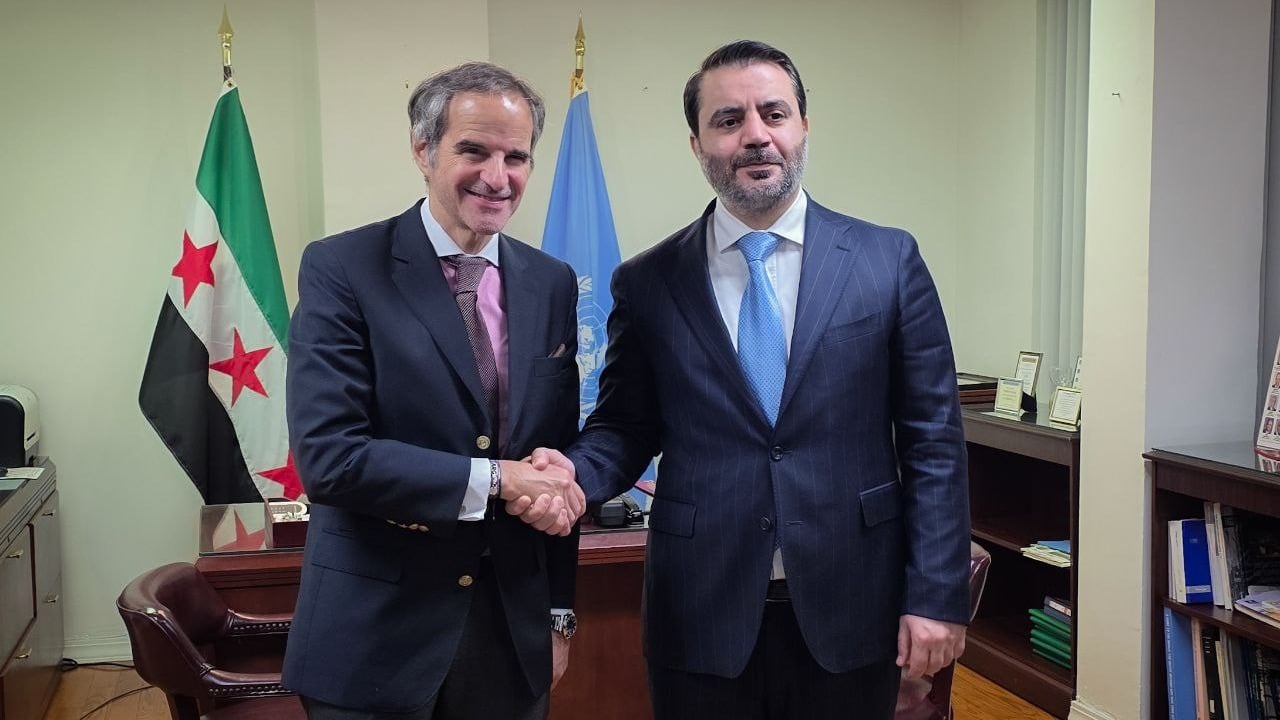
AIInternational Atomic Energy Agency Director General Rafael Grossi revealed on Tuesday that several tons of nuclear material with potential for misuse were found in Syria, following a visit by Grossi and an IAEA team to a secret site in the country where samples were collected.
The announcement came during a joint press conference in Damascus with Syrian Foreign Minister Assad Al-Shibani, who reaffirmed Syria's right to use nuclear energy for civilian and peaceful purposes. Al-Shibani stressed that the nuclear material at the site would remain under Syrian state custody in accordance with IAEA safeguards.
Al-Shibani said Damascus would work with the IAEA to ensure the safe processing and storage of the material, noting that Syria had formally notified the agency of its existence.
He added, "On July 17, we sent an official letter to the agency, voluntarily disclosing the presence of nuclear material at an undeclared site inherited from the previous regime."
The minister noted that Damascus invited the IAEA to inspect the site, and confirmed that Grossi and his team completed their visit and collected necessary samples earlier today.
The issue dates back to a secret nuclear program developed by the previous Syrian regime, centered on the covert Al-Kibar reactor. According to Israeli officials, a site known as "Site 99" has been closely monitored by Israel for nearly two years, after nuclear material linked to the Al-Kibar project was stored there.
A US official said the material at the site included "yellowcake uranium," a powder produced from uranium ore that can undergo further processing and enrichment as part of the nuclear fuel cycle.
The official added that the site also contained remnants and leftover materials from the Al-Kibar facility, noting that while the material could not be used to make a nuclear weapon, it could be used in a "dirty bomb"—a conventional device intended to disperse radioactive material and contaminate an area, rather than cause a nuclear explosion.
Earlier this month, US and Israeli officials revealed that the administration of former US President Donald Trump had reached secret understandings with the Syrian government and Israel to facilitate the removal of stored nuclear material from a secret site in Syria, in an operation overseen by the IAEA, according to Axios.