

Diesel deal sparks crisis between Trump and Zelensky, threatens peace efforts
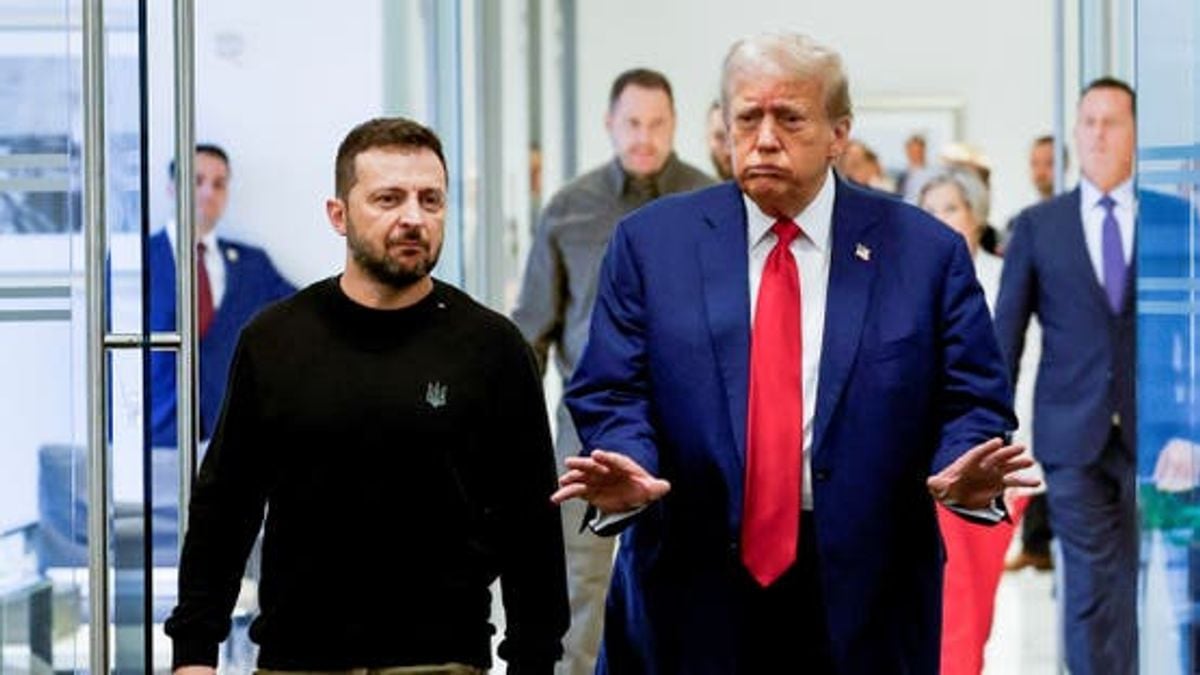
A US-Russia diesel agreement by Donald Trump has triggered tensions with Ukraine after President Zelensky ignored repeated American requests to halt strikes on Russian refineries.
Key Takeaways
AIA diesel supply agreement between US President Donald Trump and Russian President Vladimir Putin has triggered a new crisis between Washington and Kyiv, after Ukrainian President Volodymyr Zelensky ignored six American requests to halt attacks on Russian refineries, according to Axios, citing a US official familiar with the discussions.
The official explained that continued Ukrainian strikes on Russian refineries in recent months have caused an energy crisis inside Russia, prompting Moscow to ban diesel exports and increasing pressure on global markets already affected by the war in Ukraine.
Zelensky, in an interview with Axios, expressed surprise at the agreement, calling it "unfair and unjust" and an unwarranted gift to Putin.
Zelensky told Trump and his envoys, Steve Witkof and Jared Kushner, that he was prepared to halt the attacks if Moscow stopped targeting Ukrainian power stations.
The US official noted that Trump requested Ukraine unilaterally stop its strikes due to their impact on fuel prices in the United States, arguing that targeting refineries was not equivalent to Russian attacks on Ukraine’s power grid.
During eight hours of talks in Miami, Witkof and Kushner informed the Ukrainian delegation that Trump intended to call Putin and lift sanctions on Russian diesel exports after Kyiv repeatedly ignored US requests.
The US official denied that any threat was made to halt intelligence sharing with Kyiv, confirming that American support with ammunition and intelligence would continue.
The dispute followed discussions involving Ukrainian and European diplomats, which focused on security guarantees from the United States, Europe, and NATO for Ukraine as part of a potential agreement to end the war.
The talks also addressed issues of territory, reconstruction funding, rebuilding the military, EU accession, relations with NATO, and a possible security framework between Europe and Russia.
The envoys also proposed potential energy deals with Moscow, which Washington hopes will lower prices and encourage Russian concessions.
Witkof and Kushner are considering visits to Moscow and Kyiv next week, though it remains unclear how the crisis will affect their plans.
Meanwhile, Putin’s foreign policy adviser, Yuri Ushakov, said Putin did not commit to resuming peace talks during his 90-minute call with Trump, linking any progress to a halt in Ukrainian strikes during Russia’s parliamentary elections.