

Iran warns of stronger response to any new conflict, sets Hormuz conditions
Iran’s army chief says any new war will meet a stronger response and the Strait of Hormuz will remain closed until Tehran’s seven conditions are met.
Key Takeaways
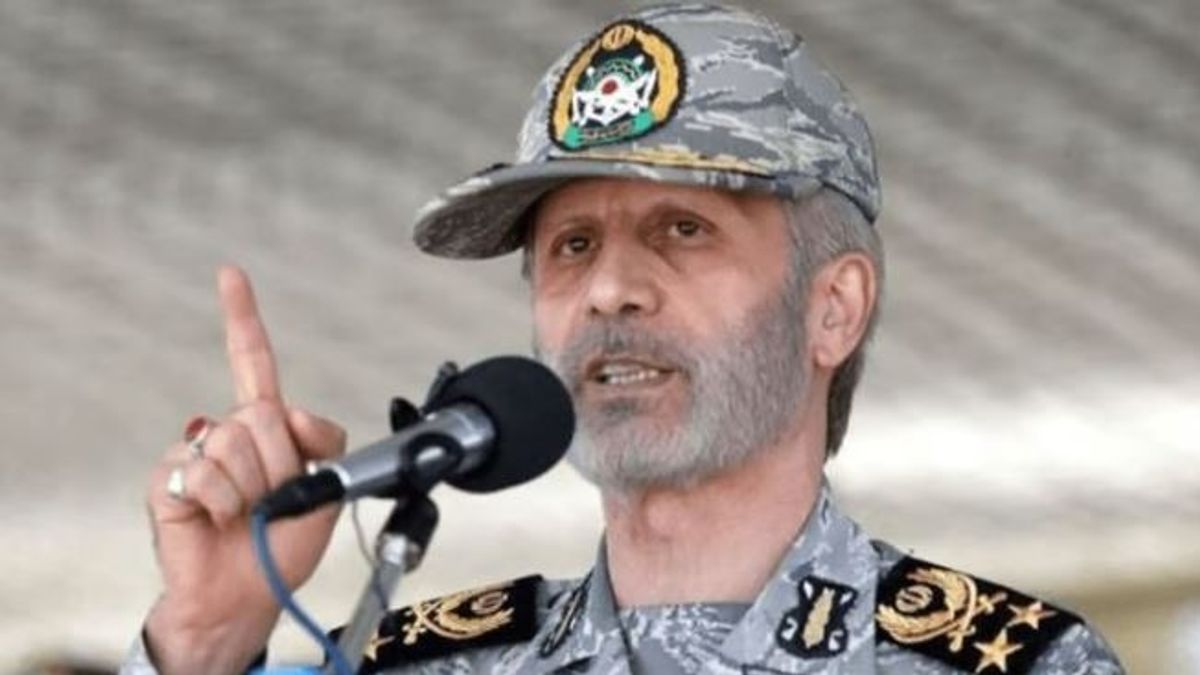
AIIranian army chief Major General Amir Hatami warned that any new war would be met with a "much stronger" Iranian response, without geographical limits.
Hatami, in remarks carried by Iranian media, added that the Strait of Hormuz would not reopen until Iran’s seven conditions are fulfilled. He noted that the closure of the strait would intensify day by day, with Iran tightening its measures and imposing stricter control over the waterway.
He continued: "We do not intend to bear the burdens of war alone; anyone who assists or supports the enemy, or stands by their side, must bear the consequences. We will make this a reality."
On Monday, the public relations office of the Islamic Revolutionary Guard Corps Navy reported fires and explosions on three oil tankers it described as violators, after they struck naval mines in the waters of the Strait of Hormuz. The statement said the vessels were under extensive US military air cover and escort, but this did not prevent the incidents.
Ship owners, captains, and shipping companies were warned that US military escorts do not exempt vessels from complying with navigation rules and instructions issued by the IRGC Navy’s traffic control center. The statement stressed that transiting unauthorized routes or ignoring announced maritime warnings would be considered violations and cooperation with what it called hostile forces, vowing to deal firmly with such breaches in accordance with published regulations.
Earlier today, Iranian Parliament Speaker Mohammad Bagher Ghalibaf said Tehran would not take any steps toward negotiations before its seven conditions are met, emphasizing Iran’s readiness to respond firmly to any US actions.
According to media reports citing informed sources, Iran’s conditions include ending military and hostile activities—including those in Lebanon—releasing frozen Iranian assets, lifting maritime and oil blockades as well as economic and political sanctions, withdrawing US naval and air forces from around Iran, paying compensation for war damages, and halting threats and insults.