

Pakistan pledges full commitment to defense pact with Saudi Arabia
Pakistan’s defense minister says the country stands ready to fulfill its obligations under the Makkah Joint Defense Agreement with Saudi Arabia and Turkey.
Key Takeaways
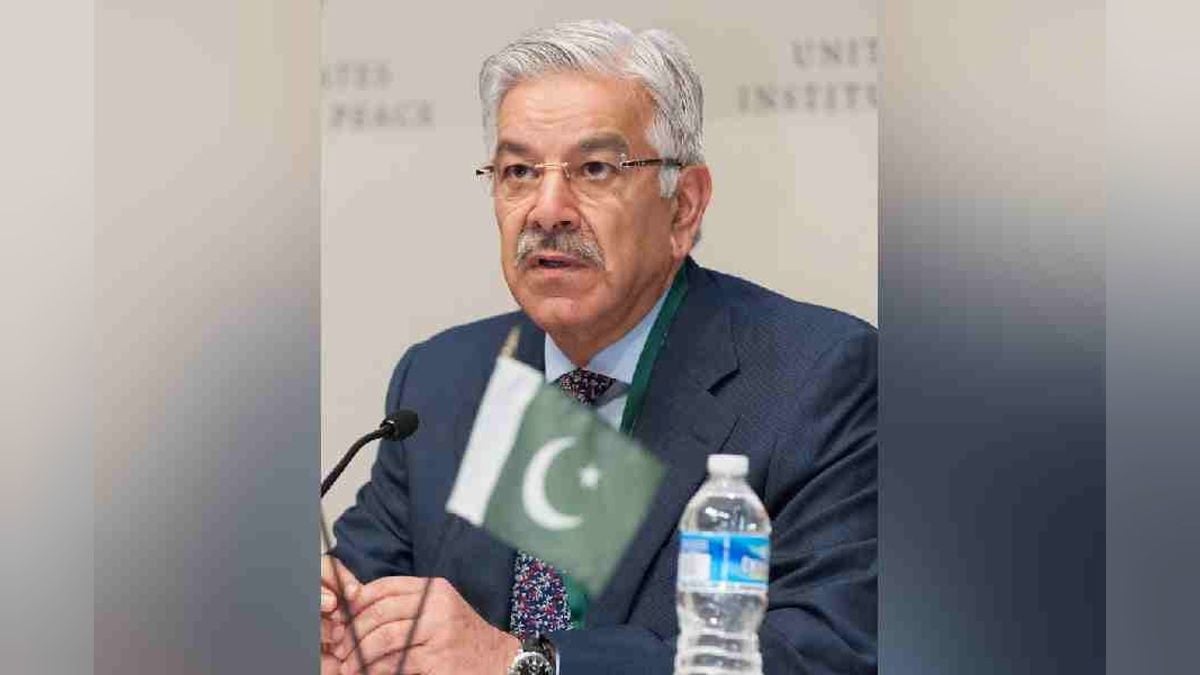
AIPakistan’s Defense Minister Khawaja Asif said on Thursday that his country is fully prepared to meet its commitments under the Makkah Joint Defense Agreement.
Asif made the remarks during an interview with Geo News, according to a report on the channel’s website. “The Makkah Agreement applies to us, and we will fulfill our duty,” he said.
Pakistan, Turkey, and Saudi Arabia signed the Makkah Joint Defense Agreement in Makkah on August 7. The agreement establishes a framework for collective deterrence, stating that any armed attack on one of the three countries will be considered an attack on all.
Geo News quoted Asif on Wednesday as saying, “If Makkah comes under attack, there is no need for an agreement to protect it.” He explained that Pakistan does not require an agreement to defend the holy sites, as their protection is a duty even in the absence of a pact.
Asif said the Makkah Agreement stipulates mutual defense in the event of any violation of the territorial integrity or borders of any of the three nations.
He stressed there is “absolutely no ambiguity” about implementing the agreement, but also emphasized that Pakistan would not publicly discuss details of its defense or military strategy.
Message to Iran
Asif also said that Pakistan had conveyed a message from Saudi Arabia to Iran amid concerns over Houthi attacks against the Kingdom.
He added, “I do not think Iran as a state will open another front,” noting that Tehran is already involved in conflict in the region.
Asif distinguished between the Iranian state and informal arrangements involving non-state groups, explaining that such groups can act without waiting for official approval or state support.
He said that Iran siding with either party in the ongoing conflict between the Houthis and Saudi Arabia would not be a wise course, given Tehran’s relations with other countries.
The minister added that Pakistan would continue its efforts to prevent the conflict from spreading to other arenas.
New security arrangements in the region
Discussing the broader regional security situation, Asif said the trilateral defense agreement between Pakistan, Saudi Arabia, and Turkey is one of several arrangements emerging as countries assess their security needs.
He added that other defense arrangements may emerge in the region, but stressed this was his personal analysis and not based on any specific development.
Asif said regional states may move toward closer cooperation to confront non-state armed groups, especially if they increasingly have to rely on themselves for security.
He noted that disruptions to maritime navigation routes—including the Strait of Hormuz, which links the Arabian Gulf to the Gulf of Oman, and Bab al-Mandab, connecting the Red Sea to the Gulf of Aden—impact trade and economies across the region.
He explained that such disruptions are of particular concern to Pakistan due to their implications for the country’s economy.
Asif said the broader conflict has moved beyond the issues that initially dominated discussions, with the security of maritime trade routes now a major concern.
He emphasized the importance of keeping these routes open, warning that disruptions have a significant economic impact on Pakistan and the wider region.
Earlier on Wednesday, Pakistani Prime Minister Shehbaz Sharif reaffirmed his country’s full support for Saudi Arabia’s defense, stating that Islamabad stands “shoulder to shoulder” with Riyadh.
Sharif condemned what he described as a “despicable and heinous drone attack” targeting the holy site in Makkah, urging all parties to exercise maximum restraint and avoid further escalation.