

Russia says hosting Bashar Assad is a humanitarian move, not political
Russia denies any political motive for hosting former Syrian President Bashar Assad after his death sentence, calling its decision purely humanitarian.
Key Takeaways
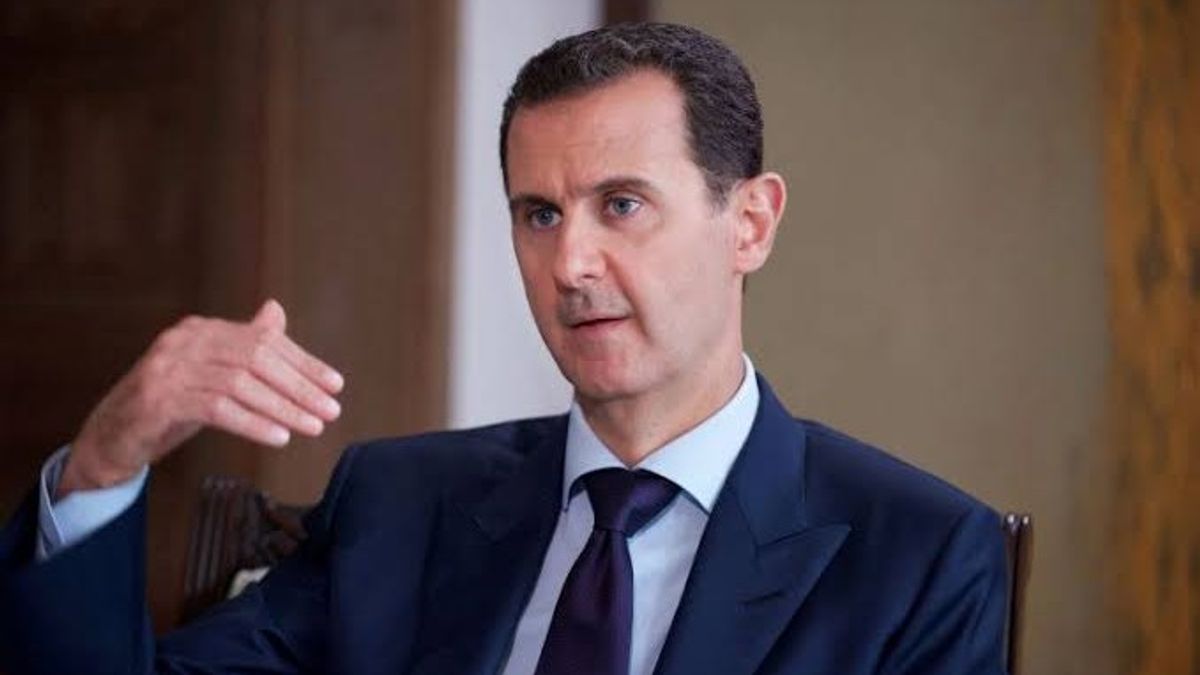
AIRussia’s Foreign Ministry has rejected any political motive behind hosting former Syrian President Bashar Assad and his family, with ministry spokesperson Maria Zakharova describing the decision as “purely humanitarian.” This marks Moscow’s first official comment on whether it might extradite Assad to the new Syrian authorities following his recent death sentence in absentia.
Speaking at a press conference on Thursday, Zakharova said Russian authorities decided to receive Assad and his family in the aftermath of the previous regime’s collapse in Syria, citing threats faced by the former president and his relatives.
“The decision was made solely on humanitarian grounds,” she said, noting that “given the tragic circumstances after the regime change in Syria, Assad and his family were facing death threats,” according to her statement.
Zakharova emphasized that Russia’s decision to host Assad was not politically motivated. She was responding to questions about Moscow’s stance on the possibility of extraditing Assad to the new Syrian authorities for trial and execution of the sentence.
Death sentence in absentia for Bashar Assad
The Russian position comes after Damascus’ Fourth Criminal Court sentenced Bashar Assad to death in absentia on August 11, along with several fugitives including Atef Najib, Maher Hafez Assad, Fahd Jassem al-Freij, Mohammed Ayman Ayoush, Louay Ali al-Ali, Qusay Ibrahim Mihoub, Wafiq Saleh Nasser, and Talal Faris al-Aisami, for crimes against the Syrian people.
The same court also sentenced Wasim Assad to death and ordered the confiscation of his assets, after convicting him of crimes against humanity and war crimes during the former regime’s rule.
Bashar Assad left Syria for Russia in December 2024, after his regime collapsed when opposition factions entered Damascus, ending more than five decades of Assad family rule.
At the time, Moscow confirmed that Assad and members of his family were on Russian soil and had been granted asylum for humanitarian reasons.