

Yemeni forces seize Bab Al-Mandab, launch push to retake state
Yemeni forces have captured Bab Al-Mandab and Dhubab airport in 'Fajr Al-Yemen' operation, advancing toward Mokha and the northern western coast.
Key Takeaways
AIThe Yemeni Armed Forces have announced control over the Bab Al-Mandab area and Dhubab airport as part of the 'Fajr Al-Yemen' (Dawn of Yemen) operation, while continuing their advance toward Mokha and north along the western coast with air support. Yemeni military sources also reported the launch of a strategic offensive toward the capital, Sanaa, using advanced weaponry.
Colonel Majed Al-Nazili, spokesperson for the Yemeni Armed Forces, said earlier today that "forces have secured control over Bab Al-Mandab and Dhubab airport," confirming that the road between Dhubab and Mokha has been cut off and is now under fire control.
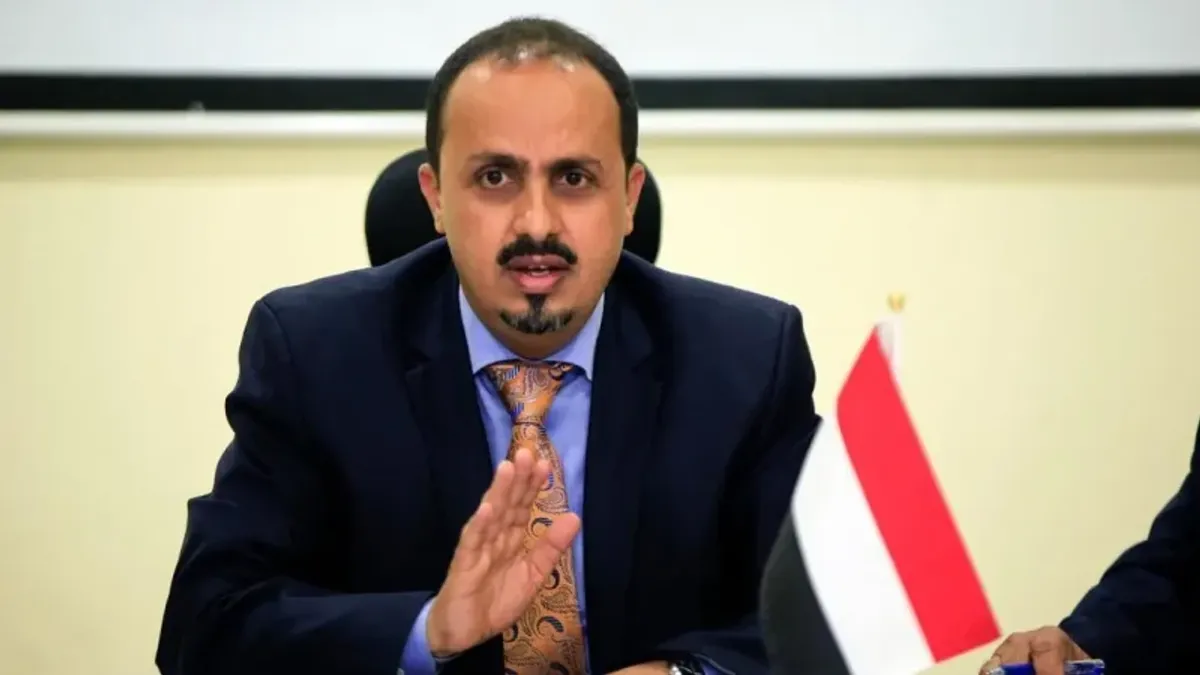
Yemeni Minister of Information Moammar Al-Eryani linked these developments to what he described as "a new phase in the battle to restore the state and end Houthi control." In a post on X on Monday, he said the 'Fajr Al-Yemen' operation combines the restoration of state institutions with paving the way for reconstruction and development.
He added that the military gains in the western coast, Bab Al-Mandab, and Yemeni islands, along with the announcement of a strategic offensive toward Sanaa with modern capabilities, demonstrate the progress of the operation launched by Presidential Leadership Council Chairman Rashad Al-Alimi to end the coup and restore state authority.
Al-Eryani highlighted the significance of developments in Bab Al-Mandab, praising the role of the Giants Brigades and the Shield of the Nation forces. He stressed that regaining control over strategic lands, islands, and sites in the strait is not only a military matter but also vital for protecting Yemeni sovereignty and securing international trade and maritime navigation.
The minister accused the Houthis of turning Bab Al-Mandab into a tool for blackmail and threats, tying Yemen’s interests to the Iranian regime’s agenda and the directives of the Islamic Revolutionary Guard Corps. He argued that restoring state authority over these sites helps protect one of the world’s most important maritime corridors.
Al-Eryani expressed appreciation for the support of the Coalition to Restore Legitimacy led by Saudi Arabia, describing it as a cornerstone in assisting the Yemeni people and government to restore the state and establish security and stability.
On the economic front, the minister said that restoring the state is not the end of the process, but rather the beginning of a phase aimed at turning stability into opportunities for development and improving citizens’ lives. He explained that restoring security and sovereignty could open the door to attracting support and investment, reviving the economy, creating jobs, and improving services.
Al-Eryani linked this path to aspirations for broader economic partnership and integration with Gulf Cooperation Council countries, which would help Yemen overcome the effects of war, rebuild its institutions, and regain its place in the Arab world.
Alongside his comments on military operations, the minister called on tribal leaders, dignitaries, and community figures in Houthi-controlled areas to protect their sons from joining the fighting and to prevent the use of villages, homes, schools, and civilian facilities as military sites.
He also urged those fighting alongside the group to respond to what he described as Rashad Al-Alimi’s call for a "safe return," to lay down their arms, and to distance themselves from Houthi positions and gatherings, arguing that continued fighting does not serve Yemen’s future.
Al-Eryani called on Yemenis inside and outside the country, from all backgrounds and regions, to rally around the Presidential Leadership Council, armed forces, security, and popular resistance, and to unite during this period. He stressed that the battle, in his words, does not target any province, tribe, or sect, but aims to restore the state, sovereignty, and national decision-making.
The minister concluded his post by saying that 'Fajr Al-Yemen' should mark the beginning of restoring life and hope, and open the way for security, reconstruction, and development.