

Nobel Peace Prize winner Navi Pillay mocks Trump: Applaud more and I'll share my prize
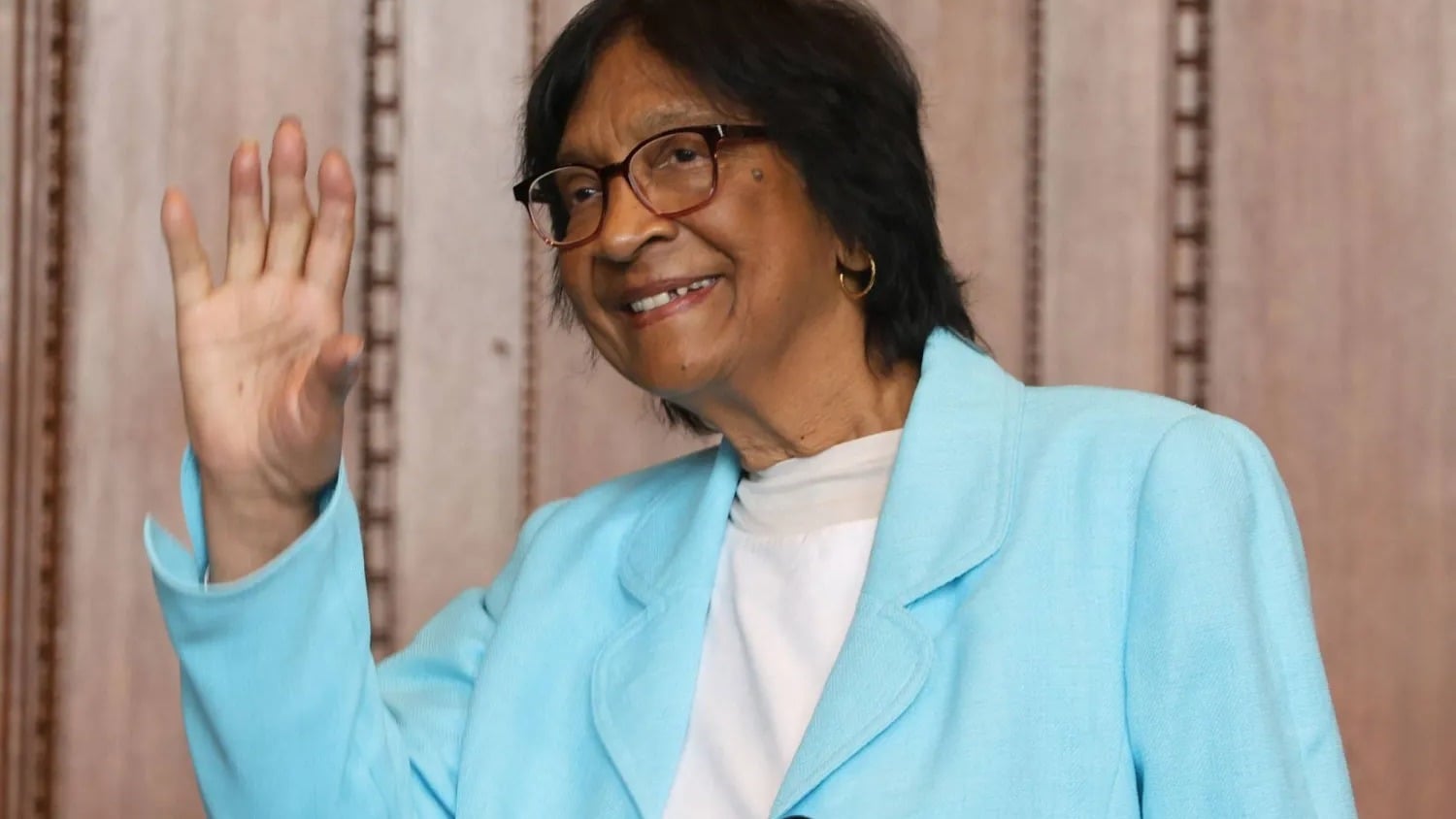
South African judge Navi Pillay sparked social media buzz by joking about Donald Trump after winning the 2026 Nobel Peace Prize.
Key Takeaways
AISouth African judge Navi Pillay, winner of the 2026 Nobel Peace Prize, stirred controversy after making fun of US President Donald Trump during the award announcement ceremony.
Pillay drew attention when she joked, "If you applaud a little more, maybe I'll share the prize with Trump," a remark that quickly went viral on social media and sparked laughter and reactions among those present.
Her joke came at a sensitive time, as Trump has openly expressed his displeasure at not winning the prize, insisting in statements and subsequent posts that he deserved it for his role in ending international conflicts.
Trump criticized the Nobel Committee's decision, calling it "a disgrace and a stain" on Norway, and downplayed Pillay's prominence, stating he had never heard of her before, signaling his clear objection to the outcome.
It is worth noting that the independent Norwegian Nobel Committee is responsible for awarding the prize, not the Norwegian government directly, prompting observers to point out that blaming Norway alone does not accurately reflect the selection process.
Navi Pillay, 85, is a prominent judge of Indian descent who has served as the United Nations High Commissioner for Human Rights and as president of the International Criminal Tribunal for Rwanda. She is known for her advocacy of human rights and holding perpetrators of international crimes accountable.
The Nobel Committee awarded her the prize in recognition of her contributions to international justice and the rule of law, amid ongoing debate over the role and limits of international judicial institutions.
In a related context, Pillay has criticized US sanctions against the International Criminal Court, while the Trump administration defended its stance as a protest against what it sees as the court's overreach.
These developments have raised questions about the Nobel Peace Prize's ability to remain above political disputes, as controversy continues to surround each new winner.