

Yemeni presidential council chief: Major battle course not set by frontline shifts
Yemen’s Rashad Al-Alimi held talks with military leaders and governors to assess developments amid escalating Houthi attacks.
Key Takeaways
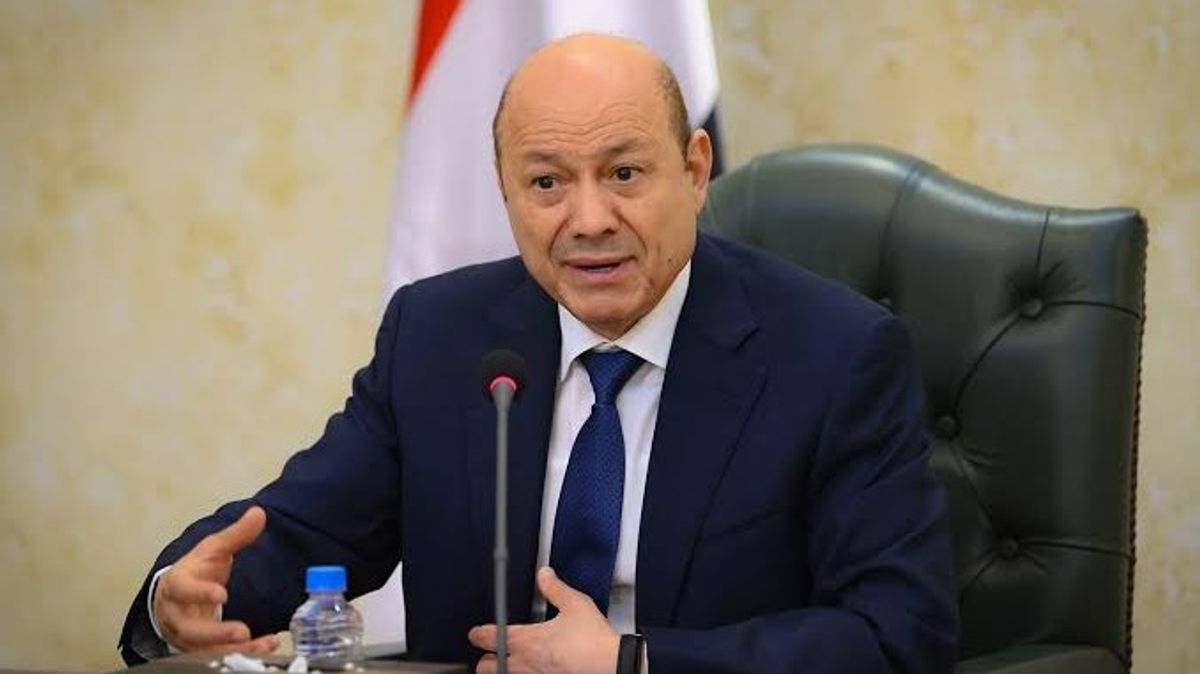
AIRashad Mohammed Al-Alimi, Chairman of Yemen's Presidential Leadership Council and Supreme Commander of the Armed Forces, held discussions with council members, senior military officials, and governors to review the latest field, security, service, and humanitarian developments, as well as the state response to the repercussions of the Houthi escalation.
According to Yemeni media reports, Al-Alimi was briefed during these calls on the progress of operations at the frontlines, the level of combat readiness and operational and logistical support, and the measures taken to protect civilians and displaced people forced from their homes by the Iran-backed Houthi militia.
The council chief praised the heroism of the armed forces, security personnel, and military formations across the country’s various fronts, commending the vital role of the air force and drones in supporting troops, deterring threats, and targeting the militia’s military capabilities in line with rules of engagement and legal standards.
Al-Alimi also highlighted ongoing military operations in Marib, Al-Jawf, Taiz, Al-Bayda, and Al-Dhale, stressing that restoring state institutions, ending the Houthi coup, and fulfilling the Yemeni people’s aspirations for security, stability, and development remain national priorities.
He emphasized that the trajectory of major national battles is not determined by temporary changes on a single frontline, but by willpower, unity of purpose, and the ability to turn challenges into opportunities. He affirmed that the state’s focus remains firmly on restoring sovereignty over all Yemeni territory, and that recent field developments do not diminish the resolve of the Yemeni people and their armed forces.
The Yemeni president noted that the Houthi militia has failed to learn from its coup against national consensus, asserting that the state and its national forces are capable of defeating the militia’s sectarian project.
Al-Alimi commended local authorities and communities for their efforts in receiving and sheltering displaced families, praising the spirit of national solidarity. He instructed the government to continue strengthening these efforts and to coordinate with humanitarian organizations to ensure the care and relief of displaced persons.
The council chief stressed the importance of fulfilling constitutional obligations to protect citizens and maintain services, directing the government to intensify efforts to ensure regular service delivery, pay salaries, secure basic needs, and boost humanitarian response for displaced and affected people.
Al-Alimi welcomed the outcomes of the Cabinet meeting and steps taken to enhance government response and support the armed forces, emphasizing the need to translate these decisions into urgent, tangible actions.
The Yemeni president concluded by affirming that the strength of the state lies in the integration of its military, security, political, economic, and service fronts, and that protecting citizens’ lives and supporting the armed forces are priorities that cannot be delayed.