

US signals possible large-scale strikes on Iran as experts doubt military solution
US military moves and statements suggest Washington may resume major strikes on Iran, but experts say neither side can achieve a decisive military victory.
Key Takeaways
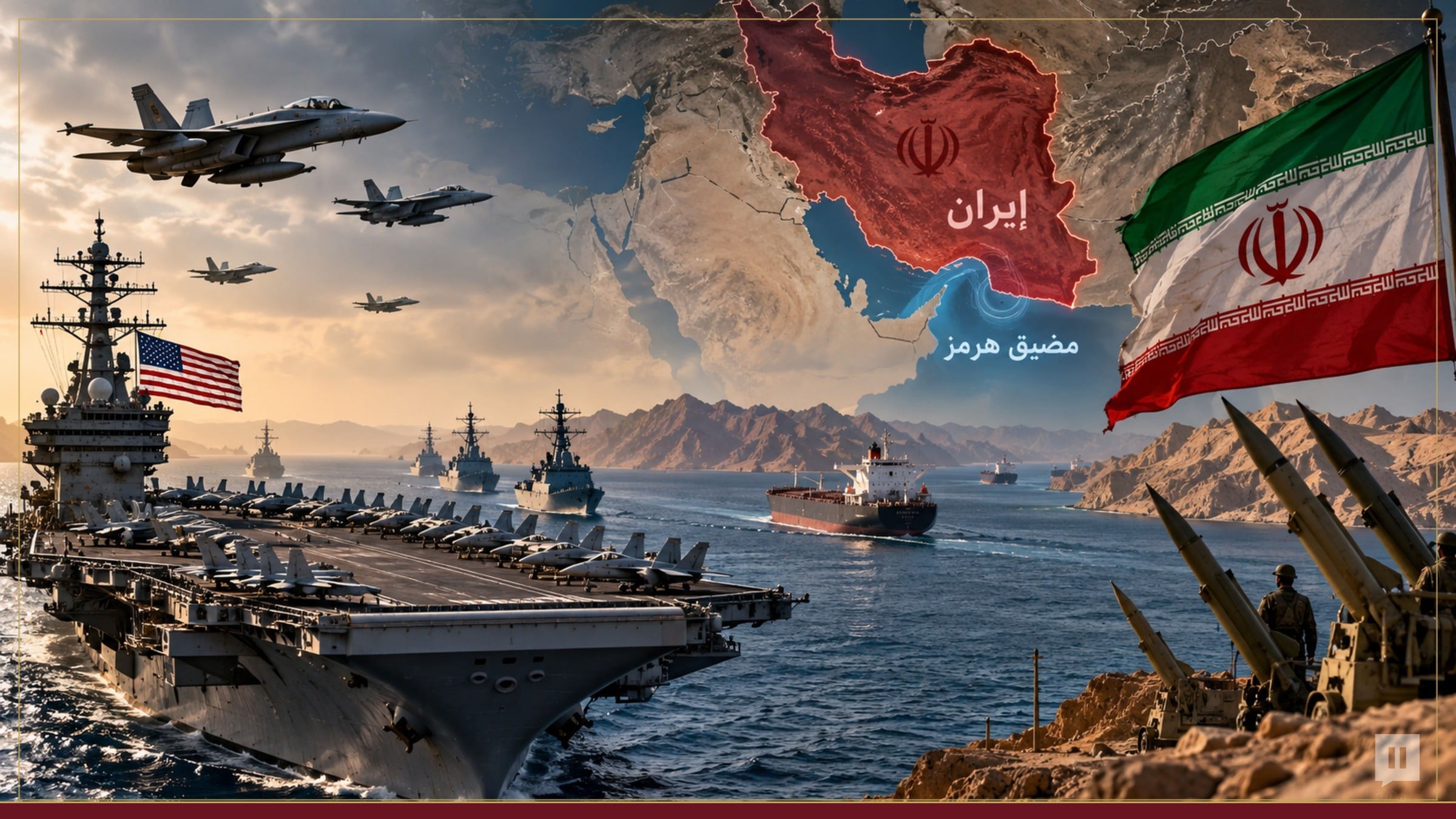
AIUS military movements and a series of official statements indicate that Washington may be preparing to resume large-scale strikes against Iran, according to American experts cited by Agence France-Presse. However, they also believe that neither side is likely to resolve the conflict militarily.
The agency noted that since early September, the confrontation between the two countries has settled into a pattern of targeting commercial vessels. The United States has sought to impose a blockade on Iranian ports, while Tehran has tried to assert control over the Strait of Hormuz, with no major attacks on land targets since then.
Susan Maloney, director of the Foreign Policy Program at the Brookings Institution, said she expects strikes "shortly after the US midterm elections" scheduled for November 3, citing the movement of military assets and additional troops to the Middle East, warnings issued to Americans in the region, heightened alert among Israeli forces, and President Trump's announcement that he would not strike before the elections.
Maloney added that the current situation is "unsustainable," as the blockade increases pressure on Iran while also straining a significant number of US naval vessels. She noted that "a solution is needed, either through diplomacy or military action."
Jason Campbell, a researcher at the Middle East Institute, pointed to signs of imminent strikes or expectations in Washington of attacks from Iran or the Houthis. These include the planned deployment of the aircraft carrier USS Theodore Roosevelt to the region, which could temporarily bring the number of carrier strike groups there to three, the dispatch of an additional Marine expeditionary unit, a recent show of force by Israeli fighter jets, and a meeting between US Defense Minister Ben Hegseth and Israeli Prime Minister Benjamin Netanyahu.
However, Campbell emphasized that the timing of any strikes "is impossible to predict," noting that Trump's options have narrowed compared to the start of the conflict, following damage to US bases in the region. "There is no safe place" to assemble the thousands of troops needed for any ground operation, he said.
Maloney warned that most conventional military sites in Iran have already suffered significant destruction, meaning any new campaign would likely target civilian infrastructure affecting the population. Campbell argued that Tehran has shown a willingness to endure considerable pain and does not expect strikes similar to those in the first fifty days of the war to change its strategic calculations.
These assessments come just hours after US President Donald Trump said his country "could end the war very quickly," questioning whether it would be better to "finish it off" or "let it wither." US Ambassador to Turkey Tom Barrack also stated that a strike over the weekend, ahead of Tuesday's Israeli elections, was "entirely possible."