

Migrants protest in Ceuta demanding asylum and better living conditions
Hundreds of migrants in Spain's Ceuta enclave protested for asylum rights after a recent influx, as city resources and health services face mounting strain.
Key Takeaways
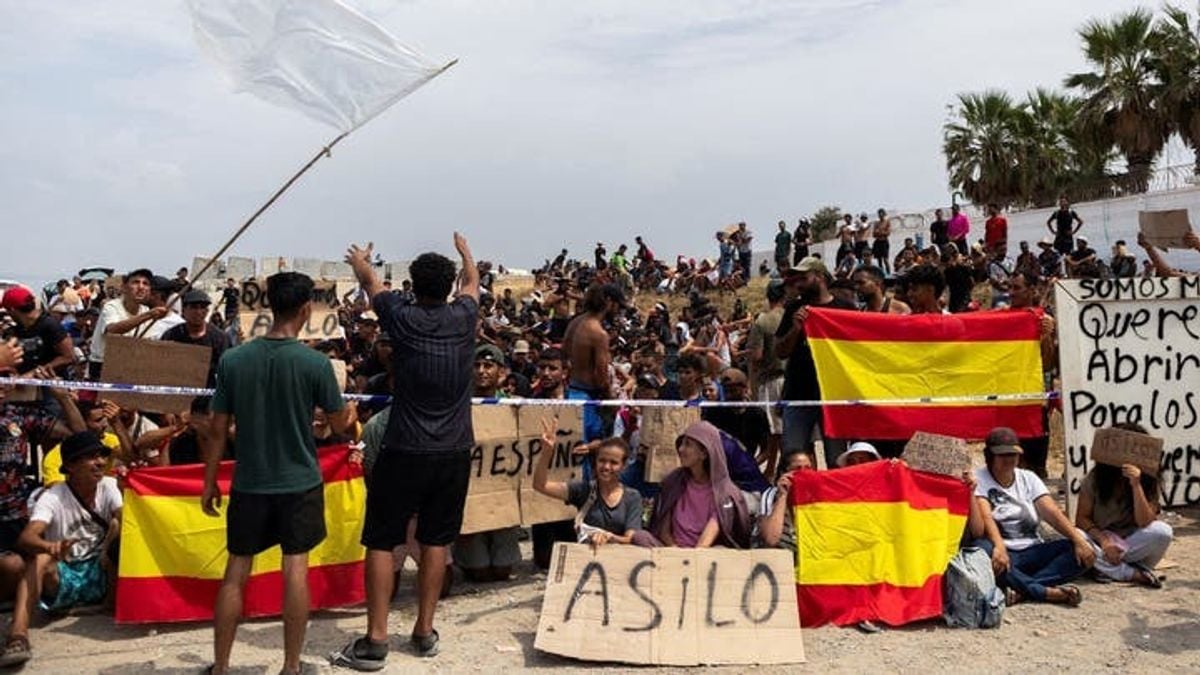
AIHundreds of migrants staged a demonstration on a beach in the Spanish enclave of Ceuta on Sunday, calling on authorities to grant them asylum instead of returning them to Morocco.
The protest follows a mass border crossing two weeks ago, when more than 72,000 migrants entered the Spanish territory, which has a population of around 80,000. Between 5,000 and 8,000 migrants remain in the city.
Most migrants are living in difficult conditions on El Trampolín beach or on the outskirts of Ceuta, straining the city’s resources as they wait for a chance to travel to mainland Europe.
Ayoub Al-Arroud, a resident of Tetouan, said migrants are sleeping beside the sea in the cold and amid foul odors, and are prevented by security forces from entering the city center.
Protesters waved Spanish flags and carried signs demanding not to be sent back to Morocco, insisting they are human beings in need of a solution. Some migrants were seen washing clothes or fishing with makeshift tools.
Spanish Interior Minister Fernando Grande-Marlaska said last week that migrants who entered illegally would not be allowed to remain in Ceuta or travel to the mainland, and would only be granted legal status in rare cases involving extreme danger.
Pressure on health services
Enrique Ruberalta, head of Ceuta’s medical council, said healthcare workers are exhausted and criticized the slow response from the central government. He noted outbreaks of illnesses such as diarrhea and scabies, as well as a rise in violence-related injuries.
Health Minister Monica Garcia rejected claims that health services were collapsing, but acknowledged they are under pressure.
She said linking migration to disease is unfair, and that the risk of epidemics among migrants is moderate and remains low for the general population.
Most Moroccan migrants said they fled poor working conditions despite having high qualifications.
Mohammed Onzar, an automation specialist from Fez, said the average monthly salary of 3,000 dirhams (about $324) is not enough to buy a home or start a family, adding he would rather die than return.
Emmanuel, an electrician from northeastern Nigeria, said he undertook a four-month journey through Niger, Algeria, and Morocco after his children stopped attending school out of fear of kidnapping.