

Iranian attacks highlight strategic need for Gulf integration, GCC chief says
GCC Secretary-General Jasem Albudaiwi says recent Iranian attacks prove Gulf integration is now a strategic necessity, speaking at the Gulf Gateway Forum in Bahrain.
Key Takeaways
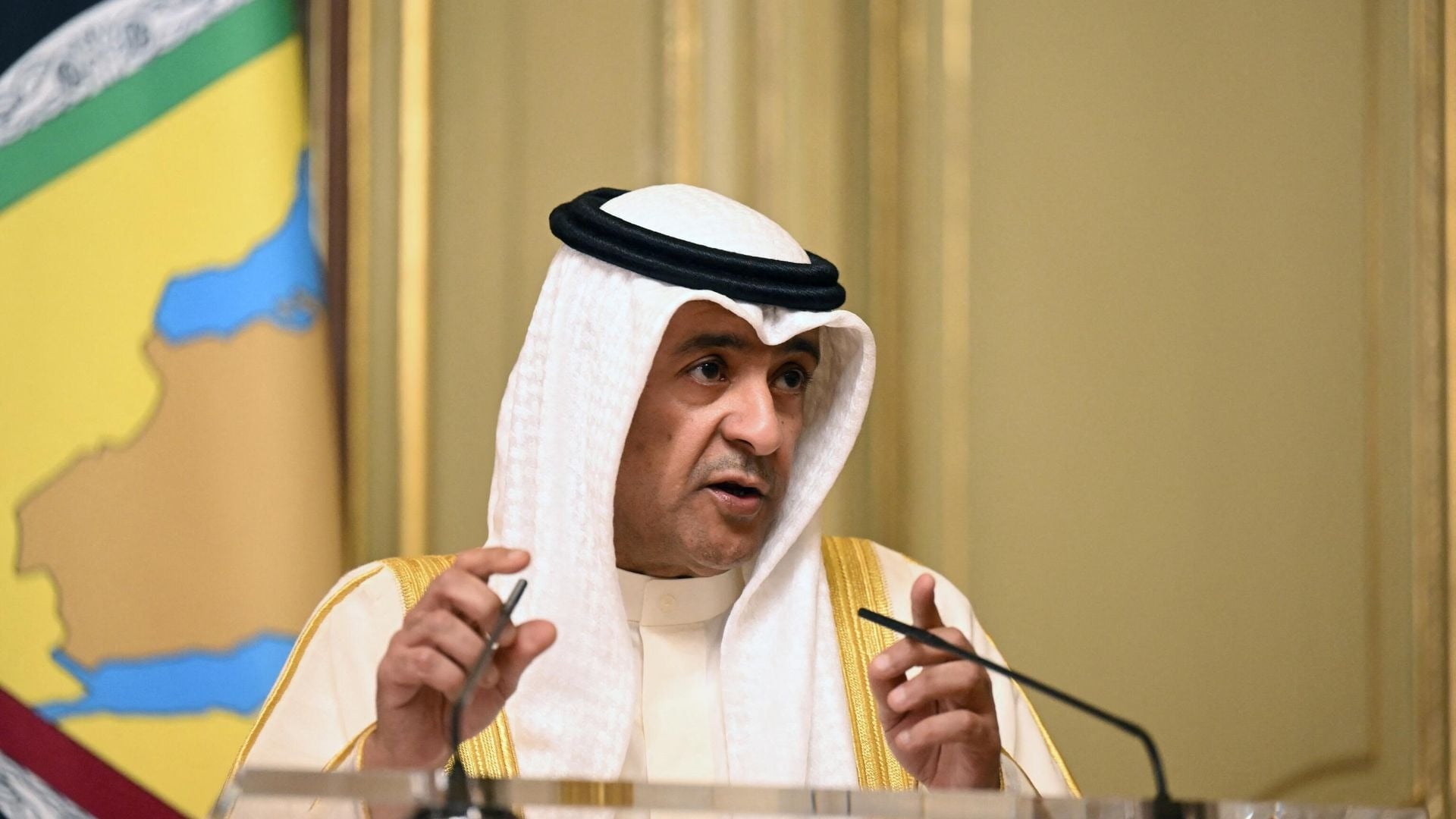
AIGulf Cooperation Council Secretary-General Jasem Albudaiwi said that recent Iranian attacks have demonstrated that Gulf integration has become a strategic necessity to safeguard the region's achievements.
He made the remarks during his speech at the opening of the fourth edition of the Gulf Gateway Forum 2026, held in Bahrain.
Albudaiwi stressed that, amid exceptional developments and rapidly evolving security and economic challenges in the region, GCC states have proven their ability to manage crises efficiently and effectively, maintaining the strength of their economies and the sustainability of their development, guided by the wisdom and direction of their leaders and their shared destiny and interests.
He explained that the Iranian attacks targeting GCC countries have created unprecedented challenges, affecting sectors such as energy, transportation, logistics, and supply chains. However, GCC states have shown exceptional cohesion and a high capacity to contain the repercussions of these attacks through joint coordination, raising institutional readiness, and ensuring the continuity of economic activities and vital services. He noted that this experience has confirmed that Gulf integration is no longer just a development option, but a strategic necessity to protect national achievements and strengthen collective crisis response.
Albudaiwi pointed out that, during their 19th consultative meeting in Jeddah last April, GCC leaders outlined a clear path to enhance joint Gulf action by accelerating the implementation of strategic and integrative projects, developing connectivity, transportation, and logistics systems, and strengthening cooperation in energy and water sectors. He also highlighted efforts to deepen defense and security integration, aiming to boost Gulf preparedness, enhance the bloc's ability to face future challenges, and safeguard its strategic interests.
On maritime security, Albudaiwi emphasized that the Strait of Hormuz is a vital artery for the global economy, and ensuring its security and safe navigation is not solely the responsibility of GCC states, but a shared international duty. Given its critical importance for energy flows, international trade, and global market stability, he said any threat to freedom of navigation in this international waterway would have repercussions not only for the region, but for the entire global economy. He called on the international community to ensure Iran complies with UN Security Council Resolution 2817 of 2026, which affirms the need to guarantee freedom of maritime navigation, secure international waterways, and prevent their use as tools for pressure, threats, or undermining global economic stability.
The secretary-general concluded by affirming that, despite the scale of challenges faced, GCC countries remain confident in pursuing their development visions and strengthening international partnerships, based on the conviction that security, stability, and economic growth are interconnected pillars. He expressed hope that the outcomes of the Gulf Gateway Forum 2026 would help shape high-quality economic and investment partnerships to support sustainable growth.