

GCC-ASEAN ministerial meeting builds on momentum of Gulf-Asian summits, says Al-Budaiwi
GCC Secretary-General Jassem Al-Budaiwi says the joint ministerial meeting with ASEAN continues the progress achieved at the 2023 and 2025 Gulf-Asian summits.
Key Takeaways
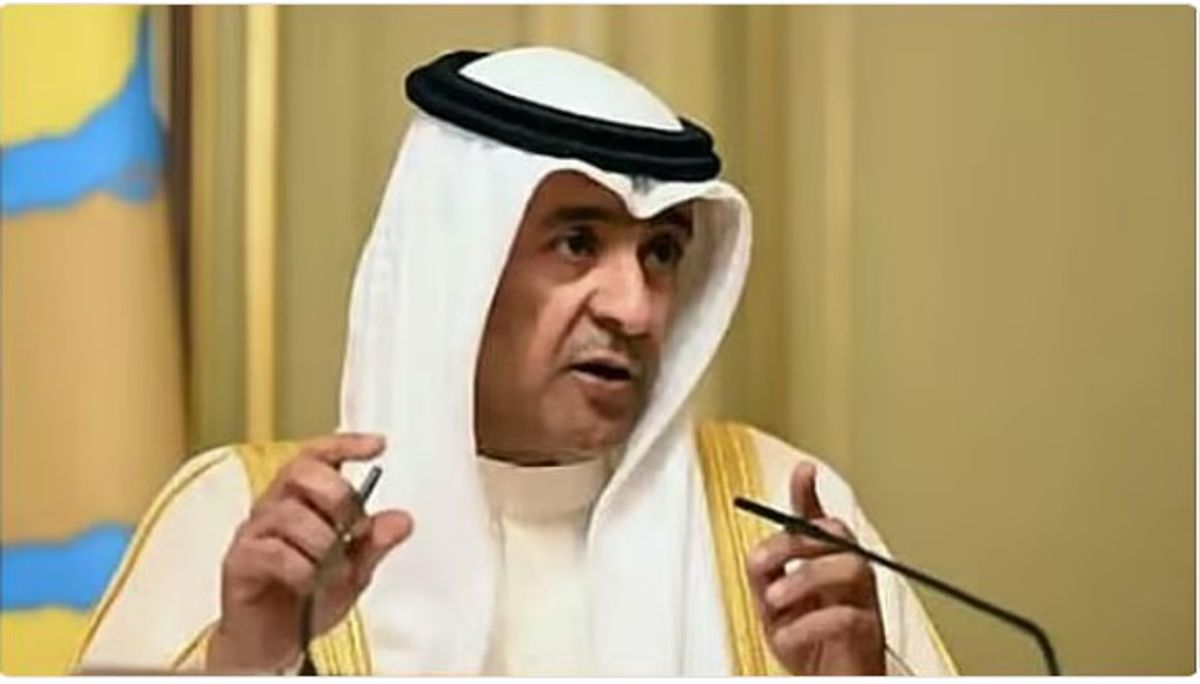
AIJassem Mohammed Al-Budaiwi, Secretary-General of the Gulf Cooperation Council, said the joint ministerial meeting between the GCC and the Association of Southeast Asian Nations (ASEAN) builds on the momentum generated by the Gulf-Asian summits held in Riyadh in 2023 and Kuala Lumpur in 2025, which have helped expand cooperation between the two sides.
He made these remarks during the joint ministerial meeting between the GCC and ASEAN, held yesterday on the sidelines of the 81st session of the United Nations General Assembly in New York, United States. The meeting was co-chaired by Bahrain’s Minister of Foreign Affairs, Dr. Abdullatif bin Rashid Al Zayani, who currently presides over the GCC session, and Singapore’s Minister for Foreign Affairs, Dr. Vivian Balakrishnan, with the participation of foreign ministers from GCC and ASEAN member states.
Al-Budaiwi noted that relations between the GCC and ASEAN are longstanding and continue to develop, reflecting a shared desire to strengthen partnerships and broaden areas of cooperation to serve the interests of their peoples and support stability and prosperity in both regions.
He explained that the GCC Secretariat and the ASEAN Secretariat have held numerous meetings to discuss frameworks for joint cooperation, in addition to specialized meetings in political, security, economic, trade, and development fields, as well as coordinating positions on various regional and international issues at global forums.
On regional developments, Al-Budaiwi stated that since February 28, 2026, GCC states have faced more than 7,000 attacks by ballistic missiles and drones launched by Iran and its proxies, targeting vital facilities and causing significant casualties and material damage, despite the GCC not being a party to the conflict. He stressed that the GCC has made intensive mediation efforts and exercised maximum restraint to contain the escalation.
Al-Budaiwi emphasized that Iran’s disruption of international navigation and closure of the Strait of Hormuz is a blatant violation of the 1982 United Nations Convention on the Law of the Sea, noting that the repercussions of these developments have extended beyond the region to affect countries worldwide, including ASEAN member states.
The Secretary-General reaffirmed the GCC’s position calling for Iran’s full compliance with UN Security Council Resolution 2817, a permanent and unconditional halt to attacks and guarantees against their recurrence, the restoration of navigation in the Straits of Hormuz and Bab Al-Mandab to pre-February 28, 2026 conditions, and rejection of any unilateral measures imposing fees or conditions on the right of passage. He also called for Iran to bear full legal responsibility and compensate for damages caused by its attacks.
In conclusion, Al-Budaiwi expressed confidence that strengthening cooperation between the GCC and ASEAN, especially under current circumstances, will positively impact joint efforts. He urged technical working groups to intensify efforts to develop cooperation in ways that achieve mutual benefit and shared interests, affirming that this meeting will help elevate Gulf-Asian relations to higher levels of coordination and collaboration.