
Secret mechanism enabled Iran to import Chinese goods despite US sanctions
Sources say Iran used a barter-like system to bypass US sanctions, importing billions in Chinese goods including military equipment and pharmaceuticals.
Key Takeaways
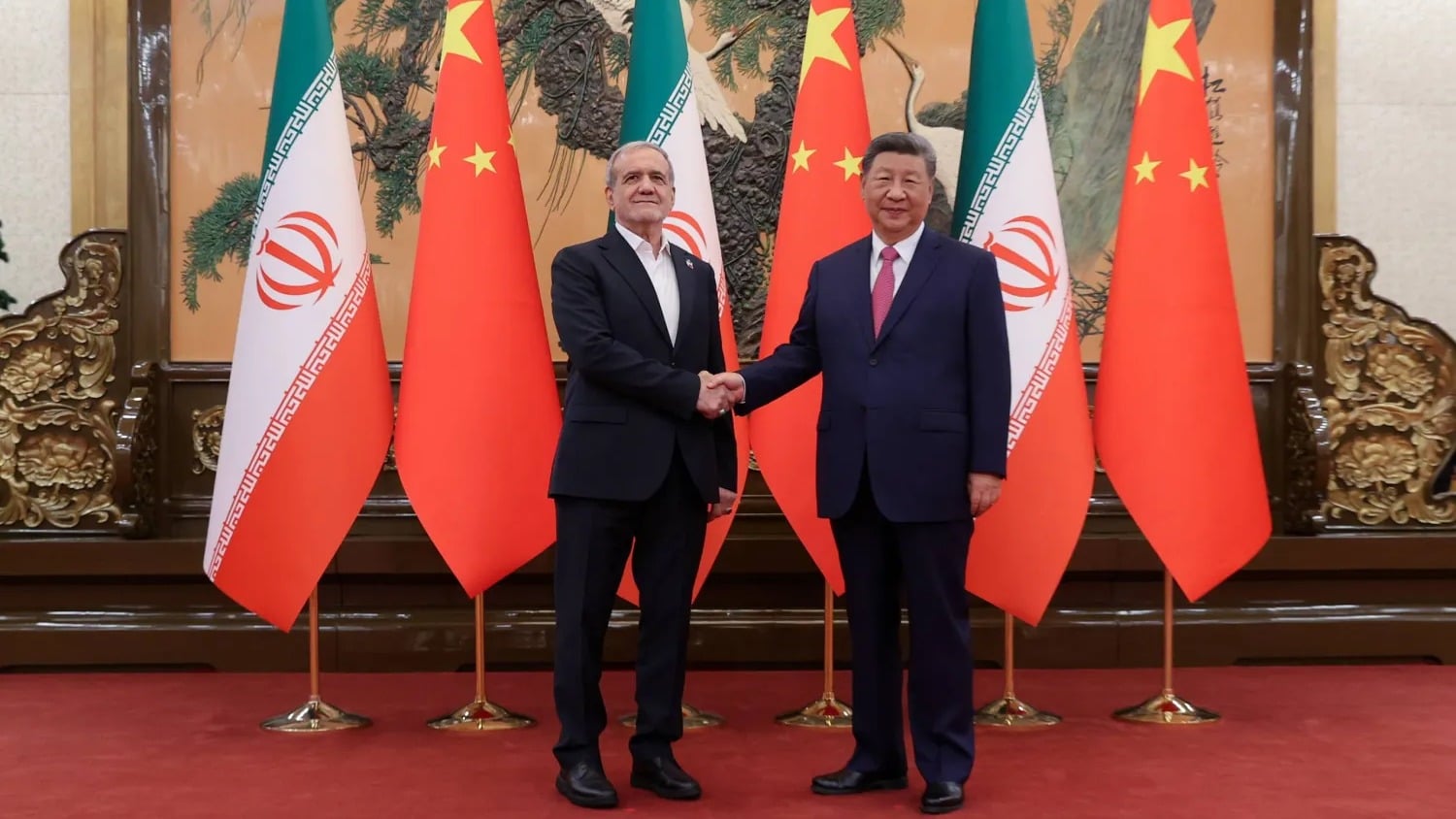
AISources familiar with the matter told Reuters that Iran has relied on a secret barter-like trade mechanism, allowing it to circumvent US sanctions on its oil sales and import billions of dollars’ worth of goods from China, including military equipment, pharmaceuticals, and telecommunications gear.
The sources explained that this mechanism has provided Tehran with a vital financial lifeline amid mounting US economic and military pressure over its nuclear program.
According to the sources, China—the world’s largest crude oil importer—has continued to buy Iranian oil at discounted prices, while shielding banks and exporters supplying goods to Iran from international scrutiny or sanctions.
Although the United States has imposed sanctions on some smaller Chinese entities, it has refrained from taking tougher measures that could impact the global economy.
In August 2025, US Treasury Secretary Scott Peisnt warned countries against maintaining trade ties with Iran, threatening exclusion from the dollar-based financial system.
Reuters was unable to determine how this mechanism has been affected by the US maritime blockade on Iran, in place for six months, as no Iranian crude shipments have reached China via the Strait of Hormuz since July 14, 2025.
China and Iran have a longstanding economic and political partnership and both denounce unilateral Western sanctions. The sources stressed that Chinese manufacturers have not dealt directly with Iran, and there is no indication they have violated international sanctions.
The mechanism was used at least once in the past year for contracts supplying Iran with air defense equipment worth millions of dollars, though no further details were provided.
Details of the financial mechanism
The sources explained that the arrangement allows Iran to purchase goods and services from China without making direct payments through international banking channels. A Western official said a buyer representing China’s Chouhai Chenrong company would deposit hundreds of millions of dollars monthly with a Chinese financial entity known as Choshin, which then transfers funds to Chinese exporters and infrastructure projects in Iran.
According to the sources, about 70% of Iranian oil revenues managed by Choshin are allocated to infrastructure projects, while the remainder is placed in special accounts to pay suppliers of goods to Iran.
These funds are managed by a company acting on behalf of China’s Ministry of Commerce and another linked to Iran’s central bank.
Reuters could not find a financial institution named Choshin in Chinese records, and the companies involved did not respond to requests for comment.
The sources confirmed the mechanism has been in place since 2021 and estimated that between $2 billion and $2.5 billion passed through the special-purpose entity over the past year.
China is known to use such arrangements to counter US pressure while maintaining plausible deniability and protecting its companies from exclusion from the international financial system.
The sources added that as Washington intensifies pressure on companies trading with Iran, this mechanism has become increasingly important for commerce.
Andrea Ghiselli, a lecturer in international politics at the University of Exeter who specializes in China-Middle East relations, said China uses such arrangements to push back against the US and show it does not yield to the threat of secondary sanctions.
However, he noted that Chinese leaders do not want the country’s banks or companies to be excluded from the international financial system.
“They want to maintain a margin for plausible deniability,” he added.