

GCC secretary-general reaffirms Gulf states’ commitment to housing and urban development
Jasem Albudaiwi highlights Gulf housing initiatives at ministerial meeting in Manama and underscores member states’ efforts to achieve sustainable housing.
Key Takeaways
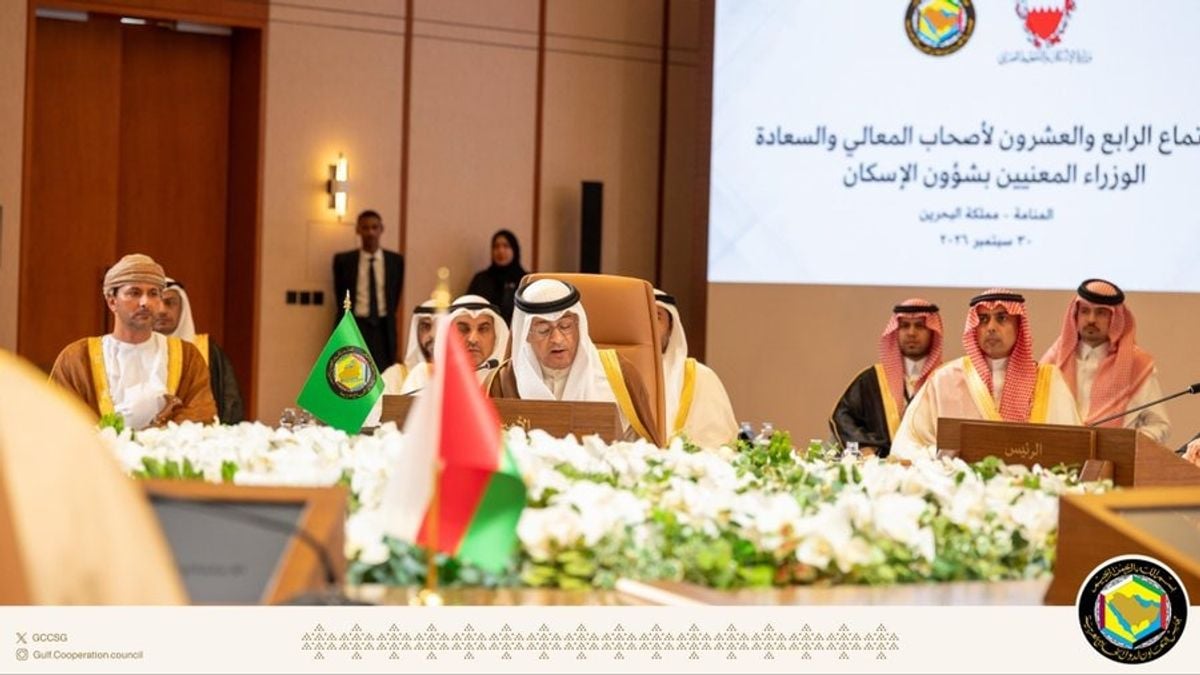
AIJasem Mohammed Albudaiwi, Secretary-General of the Gulf Cooperation Council, affirmed that GCC countries continue to implement innovative initiatives and programs in the housing and urban development sector, reflecting their strong commitment to providing a decent standard of living for citizens and building sustainable Gulf communities.
His remarks came during the 24th meeting of the GCC Committee of Ministers Responsible for Housing Affairs, held on Wednesday, September 30, 2026, in Manama, Bahrain. The meeting was chaired by Amna bint Ahmed Al-Rumaihi, Bahrain’s Minister of Housing and Urban Planning, and attended by ministers from member states.
At the start of his speech, Albudaiwi extended his highest appreciation to King Hamad bin Isa Al Khalifa of Bahrain for hosting the meeting and providing support to ensure the success of the GCC’s work, noting the continuous backing for joint Gulf action from the region’s leaders.
Innovative initiatives to strengthen housing integration
Albudaiwi explained that the housing sector is a key pillar of joint Gulf cooperation and enjoys ongoing support from the region’s leaders. He noted that this focus is reflected in numerous national and GCC-level decisions and initiatives that have advanced housing efforts and enhanced cooperation and coordination among member states.
He highlighted the adoption by the Supreme Council at its 46th session of unified regulations for owners of jointly owned properties, describing it as a significant step in the regulatory framework for the housing sector and a boost for Gulf integration.
Ongoing efforts to achieve housing sustainability
The secretary-general emphasized the importance of accelerating cooperation and developing housing policies and programs to meet the needs and aspirations of Gulf citizens, as well as leveraging modern technologies to provide more efficient and sustainable housing options.
Albudaiwi also reviewed member states’ efforts: the UAE is expediting housing support and developing residential complexes in partnership with national banks; Bahrain is expanding partnerships with real estate developers and enhancing digital housing services; Saudi Arabia continues to enable families to obtain their first home and is activating a balanced real estate market; Oman is accelerating the development of smart cities, led by Sultan Haitham City; Qatar is improving land use efficiency and infrastructure; and Kuwait is focusing on involving real estate developers, developing infrastructure for new cities, and embedding sustainability standards.
View the post on X
Albudaiwi stressed that these efforts are essential to achieving Gulf urban development goals and enhancing the ability of GCC states to build a more integrated, flexible, and sustainable housing system.