

Iraq loses $60 billion as oil revenues hit by Hormuz disruptions
Iraq has lost around $60 billion since the Middle East conflict began, with oil revenues and foreign reserves falling due to disruptions in the Strait of Hormuz.
Key Takeaways
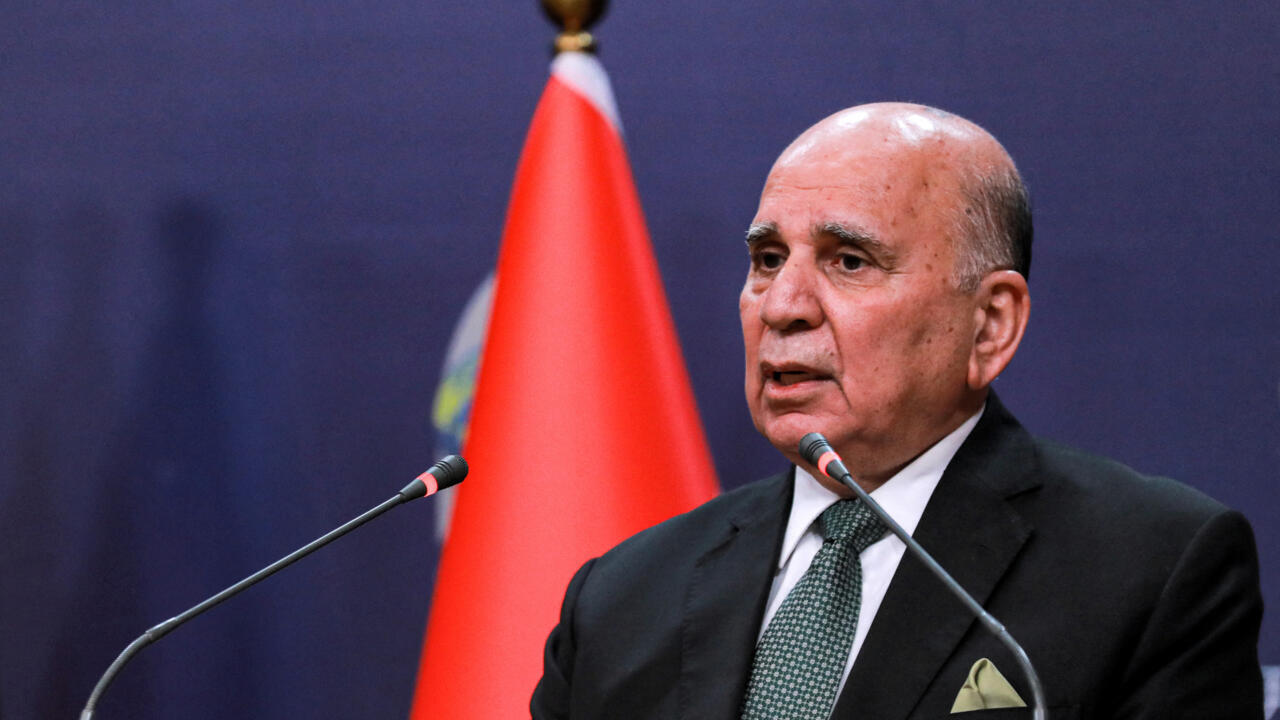
AIIraqi Foreign Minister Fuad Hussein revealed that Iraq has lost approximately $60 billion since the outbreak of the Middle East conflict, due to a sharp decline in oil revenues and disruptions to shipping through the Strait of Hormuz.
Iraq has faced an economic crisis since the war began in February, with oil exports—which account for 90% of state revenue—falling for several months and forcing the government to borrow domestically.
Consumer prices have risen, and foreign currency reserves have dropped by about $20 billion. Hussein explained during a meeting in Rome with his Italian counterpart that Iraq incurred these losses during the recent conflict between the United States and Iran, according to a statement from his office.
Before the conflict, Iraq produced around four million barrels of oil per day and exported 3.5 million barrels, most of which passed through the Strait of Hormuz. However, Iranian restrictions on navigation forced Iraq to halt production at most fields and export only limited quantities via Syria and Turkey.
Iraq's oil exports have recently rebounded, reaching 2.6 million barrels per day between September 1 and 21, according to the Ministry of Oil. The International Monetary Fund noted that Iraq is among the countries most affected by transport disruptions caused by the conflict.
As the crisis deepened, the Central Bank of Iraq last week raised the official exchange rate of the dollar for the first time in over three years. Iraq relies heavily on foreign currency from oil sales to finance imports, stabilize the dinar, and pay public sector salaries and pensions, which support about 20% of the population of more than 46 million.
Iraqi authorities are seeking to diversify income sources and aim to increase non-oil revenues from 10% to 45% by 2037.