

Saudi Heart Catheterization Society launches 9th international conference in Riyadh
The Saudi Heart Catheterization Society has announced the start of its 9th Saudi International Conference on Catheterization and Cardiac Interventions in Riyadh.
Key Takeaways
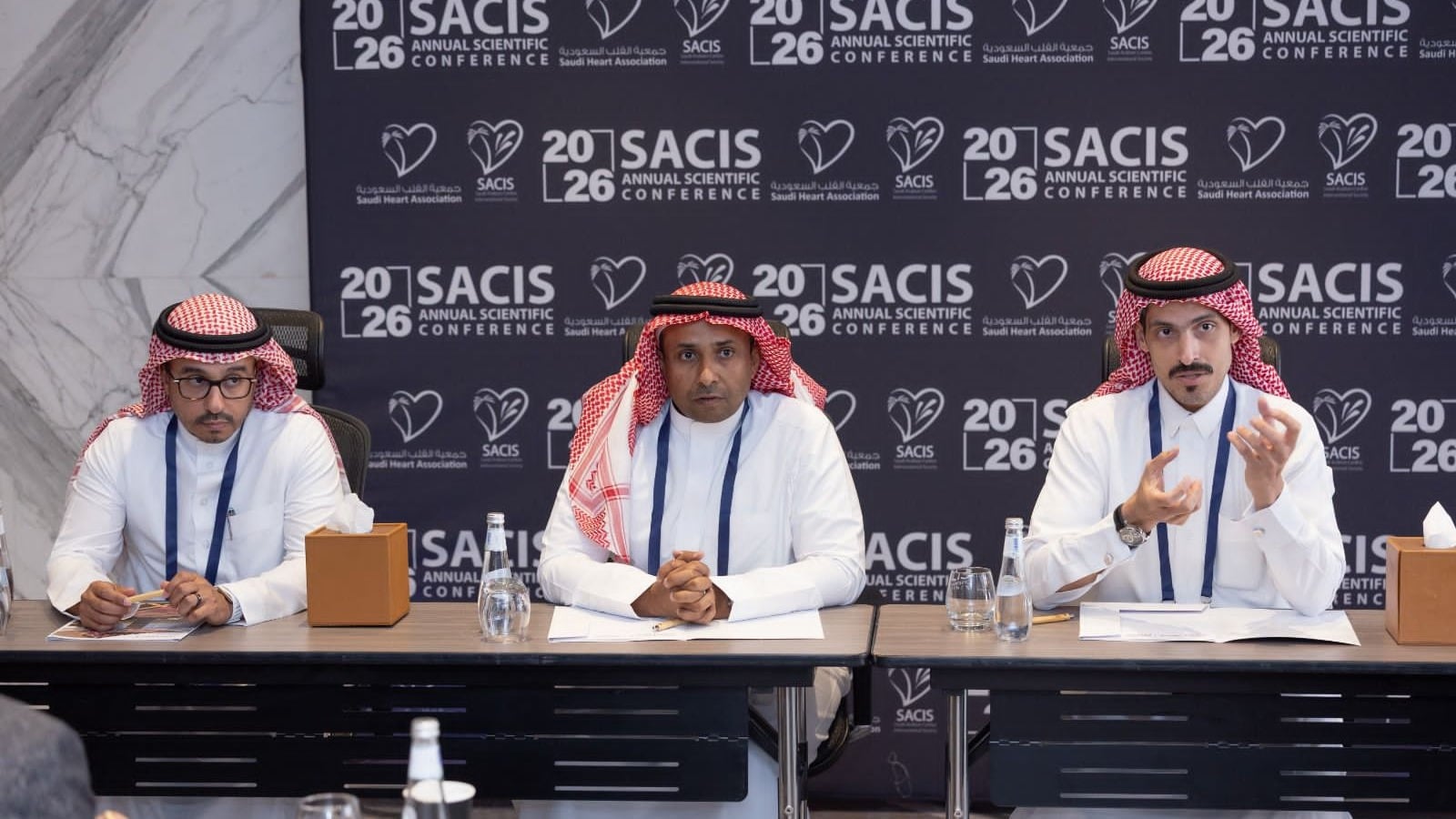
AIThe Saudi Heart Catheterization Society announced on Thursday at a press conference in Riyadh the launch of the ninth edition of the Saudi International Conference on Catheterization and Cardiac Interventions (SACIS). The event will showcase the latest developments in cardiac catheterization and interventions, highlight recent scientific and technological advances in the field, and present the conference program, themes, and key activities.
Mohammed Al-Mohamadi, Vice President of the Saudi Heart Catheterization Society, said this year's edition stands out for aligning with national projects by strengthening collaboration between the society and national institutions to achieve shared goals.
He added that the conference aims to bring together leaders, experts, and decision-makers to exchange knowledge, discuss challenges, and find solutions to common issues, ultimately benefiting patients and citizens.
Al-Mohamadi emphasized that keeping pace with the latest technologies is a top priority in treating heart diseases. He noted that the newest technology is not always the safest, and that selecting techniques should be based on their benefit to patients and their ability to deliver real value and improve treatment outcomes.
He pointed out that the use of artificial intelligence in medicine is rapidly accelerating, but stressed that it cannot be fully relied upon and should serve as a tool to assist physicians. He noted that these technologies, which have been in use for years, are now part of daily medical practice and have improved outcomes, especially in procedures, by enabling precise and comprehensive measurements inside blood vessels, including arteries and veins, using AI-supported imaging techniques.
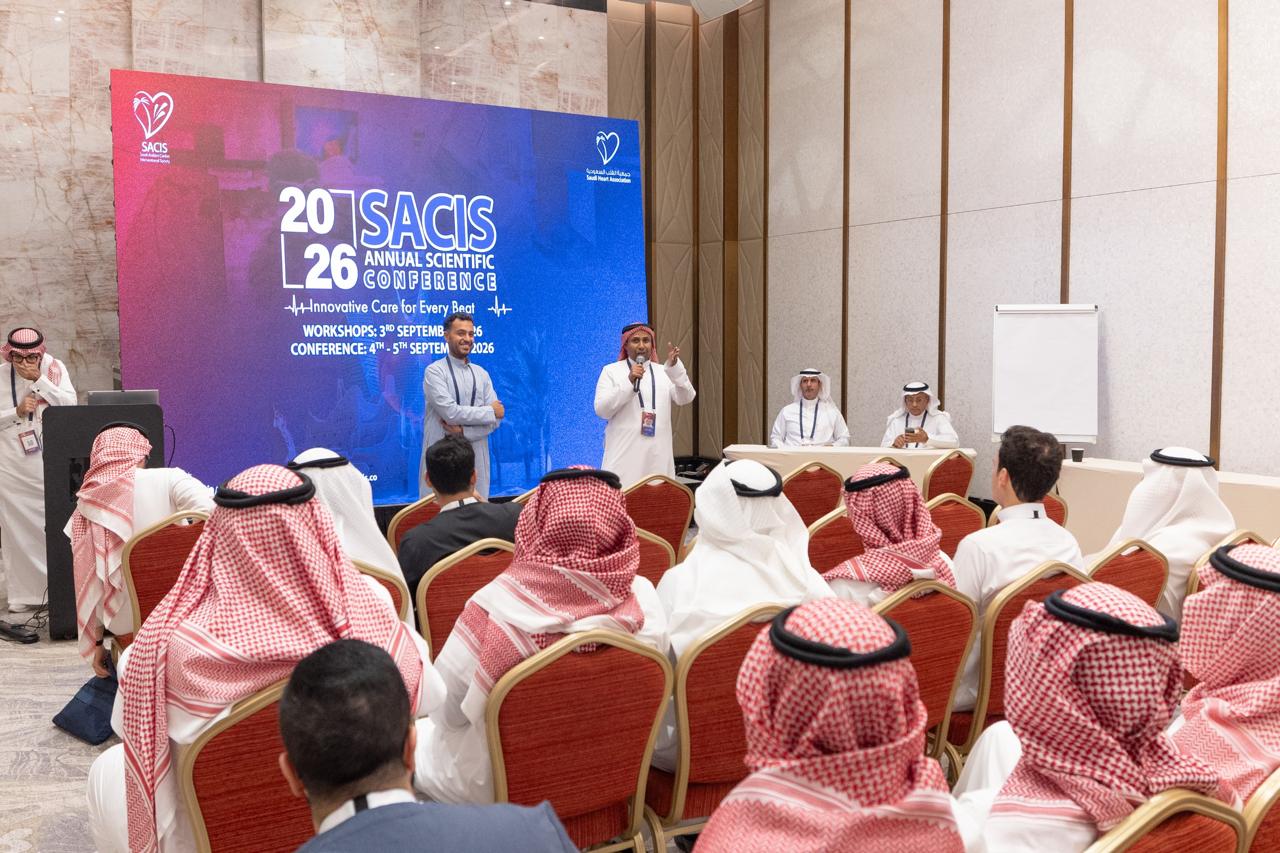
For his part, Salem Asiri, Chairman of the conference's scientific committee, said the ninth edition is the largest to date, bringing together local and international expertise under one roof. The program features a wide range of lectures, workshops, and training sessions, as well as seven specialized live procedures broadcast for educational purposes from inside and outside the Kingdom—three in Riyadh, one in Jeddah, one in Abha, all performed by Saudi experts, and two from the United States.
He added that this year's edition also introduces a decision-makers program and dedicates expanded sessions to artificial intelligence and the latest technologies in cardiac interventions, stressing the importance of moving from a passive role to active participation in shaping the future of the specialty and medical decision-making.
Regarding artificial intelligence, Asiri emphasized that its goal is not to compete with doctors, but to serve as a supporting tool that enhances accuracy, especially in procedures and measurements, thereby improving medical practice and treatment outcomes.
Meanwhile, cardiac catheterization consultant Muhannad Al-Mubarak explained that a significant portion of catheterization procedures are related to heart attacks, which can involve many unpredictable situations. He stressed that AI cannot be fully relied upon in such cases, but should be used as a tool to assist doctors in decision-making and case management.
The Saudi Heart Catheterization Society (SACIS) aims to support and advance the field of cardiac interventions in the Kingdom by promoting medical education and training, encouraging scientific research, and facilitating knowledge exchange among cardiologists locally and internationally. The society also partners with government agencies, non-profit organizations, and the private sector to enhance medical practices and improve the quality of care for heart patients.