

Saudi Arabia enters Kulaybin season: 13 days of peak heat and date harvest
Saudi Arabia has entered the Kulaybin season, a 13-day period marking peak summer heat and the ripening of dates across several regions.
Key Takeaways
AIThe Kulaybin season began today in Saudi Arabia and will last for 13 days. This period is a well-known phase in the traditional anwa calendar and agricultural timetable, historically linked to star observation for tracking the seasons, weather changes, and fruit ripening.
"Kulaybin" refers to two closely positioned stars and falls within the "Nathrah" phase of the lunar mansions. It marks an advanced stage of summer and precedes the Suhail season.
Agricultural calendar researcher Mohammed Al-Wadiei explained that the start of Kulaybin is a key milestone in agricultural planning. It lasts for 13 days during the peak of summer heat, coinciding with the ripening of various crops and fruits, and is closely tied to both the agricultural calendar and local heritage.
Date ripening and diverse agricultural activity
This period aligns with a late stage of date and rutab ripening, as palm trees in several regions of the Kingdom undergo coloring, maturation, and harvesting. The timing varies depending on the type of dates, location, and climate conditions.
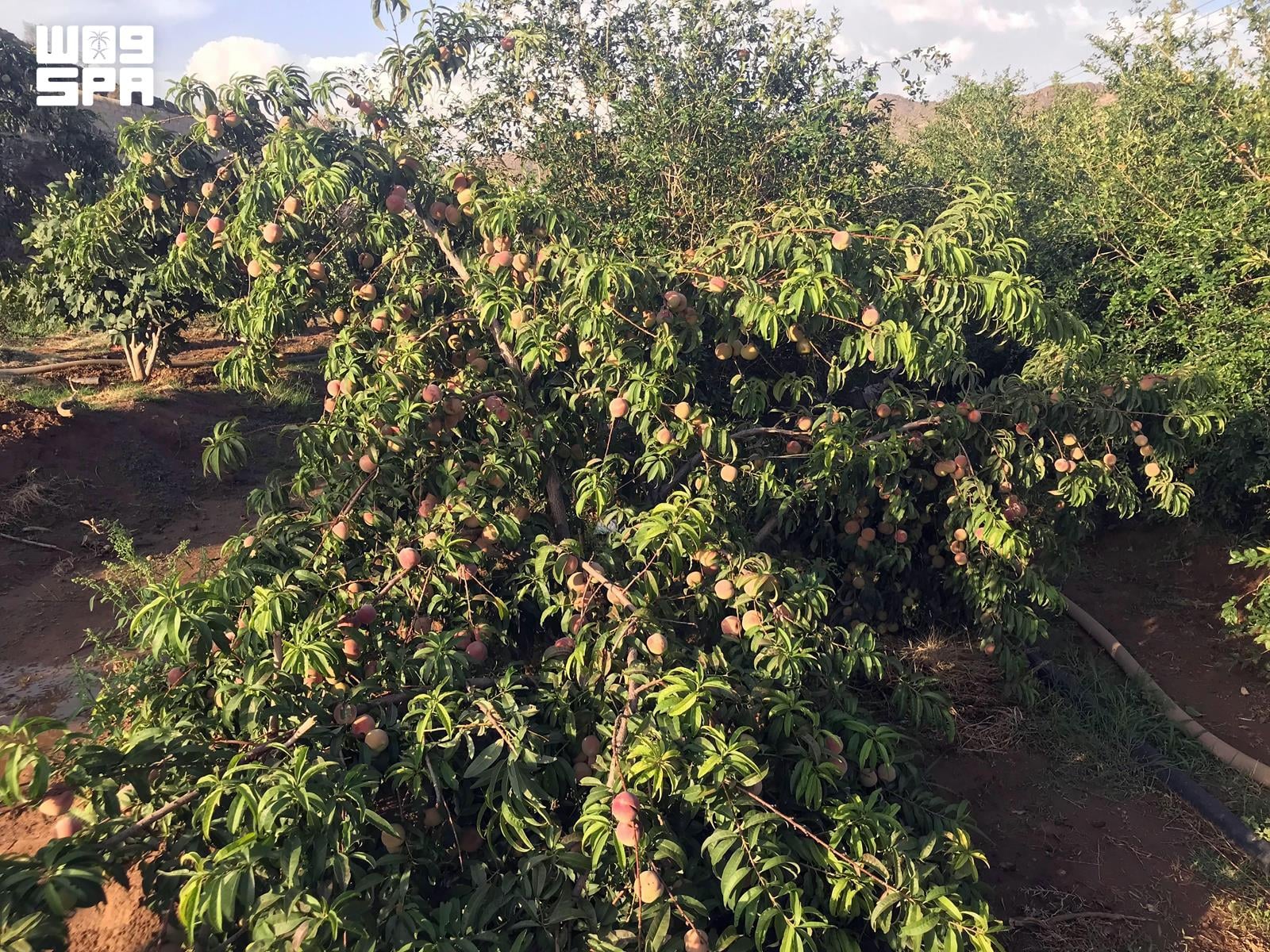
In the Asir region, agricultural activities diversify during this period due to differences in elevation, terrain, and climate. Farmers continue to care for several local crops, most notably sorghum, wheat, barley, and maize, as well as seasonal fruits and vegetables.
Climatic and cultural significance
The Kulaybin season holds climatic and agricultural significance in local memory. In the past, farmers relied on the stars and their positions as time markers to organize their work and monitor crop growth and fruit ripening, as well as to anticipate weather changes.
With advances in astronomy and meteorology, modern monitoring tools and climate data have become the scientific reference for weather tracking and forecasting. Nevertheless, the traditional names of the stars and anwa seasons remain part of the cultural and environmental heritage.
The Kulaybin season continues until August 23, after which the Suhail season begins according to the traditional calendar. This seasonal transition has historically been associated with changes in weather, fruit ripening stages, and the agricultural cycle.