

Saudi Arabia boosts fruit self-sufficiency under Vision 2030
Saudi Arabia accelerates fruit self-sufficiency through national initiatives supporting food security and the development of local agriculture.
Key Takeaways
AISaudi Arabia continues to strengthen its food security and achieve self-sufficiency in agricultural products, particularly fruit, through a comprehensive system of national initiatives and projects. These efforts have increased local production, improved resource efficiency, and introduced modern agricultural technologies, aligning with the goals of Saudi Vision 2030 to build a sustainable economy and a resilient agricultural sector capable of meeting future challenges.
In recent years, the agricultural sector has undergone significant transformation thanks to government support for farmers and the expansion of advanced techniques such as protected agriculture, smart farming, and high-efficiency irrigation systems. Experts note that research, development, and agricultural extension programs have enhanced the production and quality of local fruit varieties, making them competitive with imported products in both domestic and international markets.
Diverse production regions and ministry initiatives
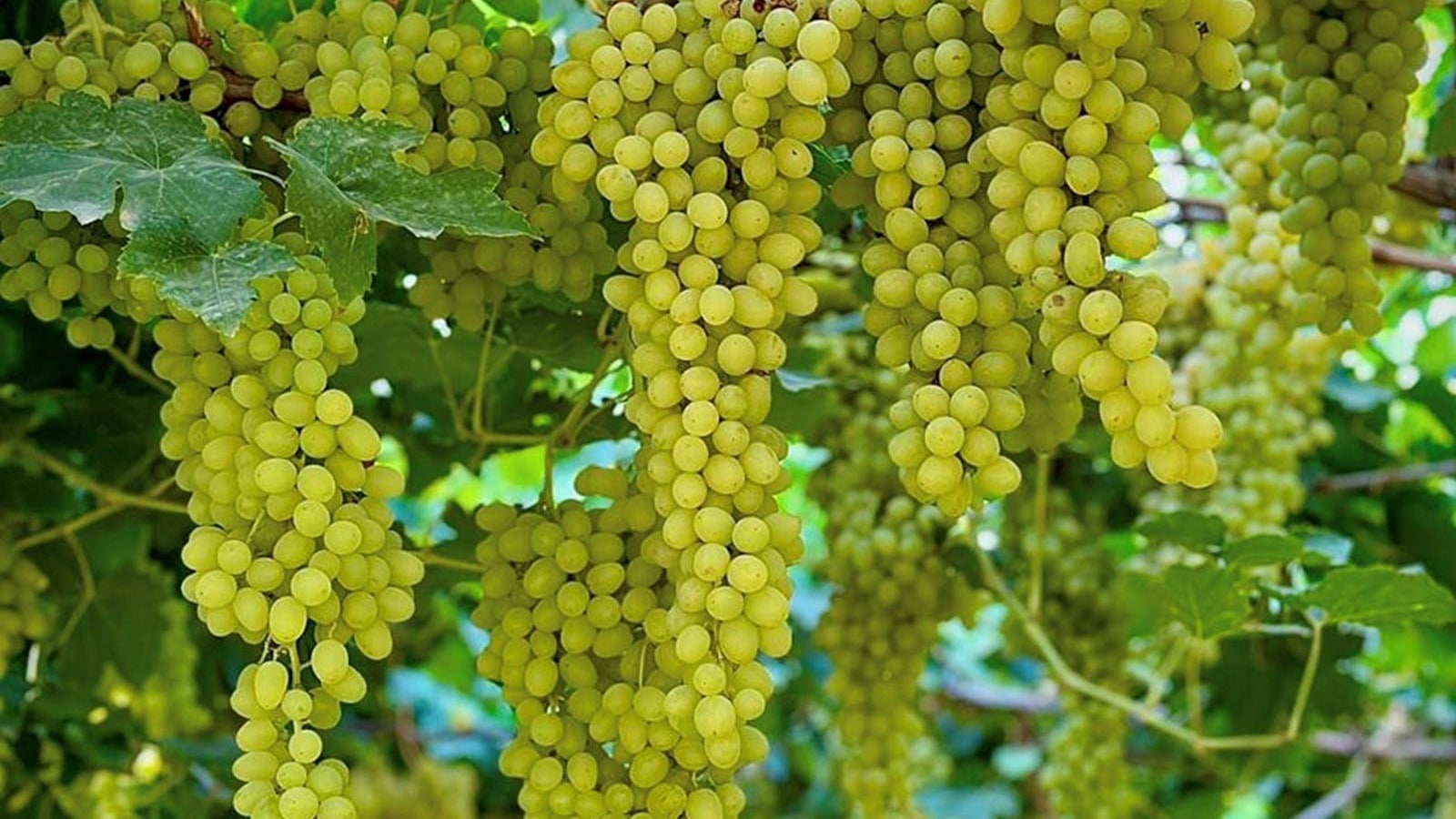
The Ministry of Environment, Water and Agriculture plays a central role by implementing programs to boost production efficiency, optimize water use, and encourage investment in agriculture. Fruit cultivation is spread across the Kingdom according to regional climate advantages: Qassim is known for grapes, pomegranates, and figs; Al-Jouf for olives, grapes, and pomegranates; Tabuk for peaches, apricots, and plums; Taif for pomegranates, figs, and grapes; Asir for figs, pomegranates, and apricots; Jazan for mangoes, papayas, and bananas; Najran for grapes, pomegranates, and dates. Citrus fruits are also widely grown in Al-Baha and other provinces, reflecting the Kingdom’s environmental and agricultural diversity.
Sustainability and economic, social opportunities
The abundance and variety of fruit in Saudi Arabia have provided consumers with more choices and nutritional value, increased reliance on domestic products, and reduced imports, especially with advances in storage and marketing technologies that have stabilized markets. Reports indicate the agricultural sector offers promising investment opportunities, contributes to the growth of food industries, supply chains, packaging, and marketing, and creates both direct and indirect jobs, further boosting agriculture’s contribution to GDP.
The Kingdom prioritizes resource sustainability by adopting technologies that reduce water consumption and improve irrigation efficiency, as well as using greenhouses and smart systems to monitor crops, enhancing the sector’s ability to adapt to climate change. The expansion of fruit production also supports agritourism through seasonal festivals that benefit local families and highlight the agricultural identity of different regions.
Socially, the spread of modern farms has improved quality of life in rural areas, strengthened economic stability for farming families, fostered a culture of supporting local products, and raised awareness of food security as a pillar of sustainable development.
Indicators of sustainable growth
Official data show continued growth in the agricultural sector and its increasing contribution to the national economy, supported by government initiatives and investment in agricultural technologies. This progress reflects the success of food security policies, diversification of income sources, and improved local production efficiency.
As Vision 2030 programs continue, Saudi Arabia’s journey toward fruit self-sufficiency stands out as a national model that combines innovation and sustainability, demonstrating the ability of Saudis to turn environmental challenges into promising development opportunities through investment in land, technology, and knowledge.