
Saudi encyclopedia documents cultural and human anthropology
A landmark Saudi encyclopedia offers an unprecedented anthropological record of the Kingdom’s people, culture, and heritage, supporting Vision 2030’s focus on human development.
Key Takeaways
AIThe study of human and societal transformations in Saudi Arabia has entered a new research phase, laying unprecedented foundations for anthropological dimensions. This shift is bolstered by Vision 2030, which places culture and people at the heart of development. The Kingdom, with its rich heritage, is documenting its legacy through major projects led by national institutions. Among these is the comprehensive Saudi Arabia Encyclopedia, published by the King Abdulaziz Public Library in 20 volumes. This extensive ethnographic and historical reference serves as a key resource for anthropological research and policy, examining Saudi society and its evolution. While the encyclopedia is a thorough scientific documentation, it dedicates significant space to studying the Saudi individual, their environment, and both native and incoming communities across eras from an anthropological perspective, offering insights into the state of societies and cultures throughout time and place.
The encyclopedia features a wealth of material compiled by hundreds of researchers, scholars, and academics across diverse fields. Its content is rich in data and scientific analysis, rivaling global encyclopedias in its methodology for describing the development and transformations of societies and peoples. It focuses on regions, cities, villages, geography, history, population, customs, traditions, arts, literature, sciences, professions, crafts, clothing, and more, all within a comprehensive encyclopedic scope.
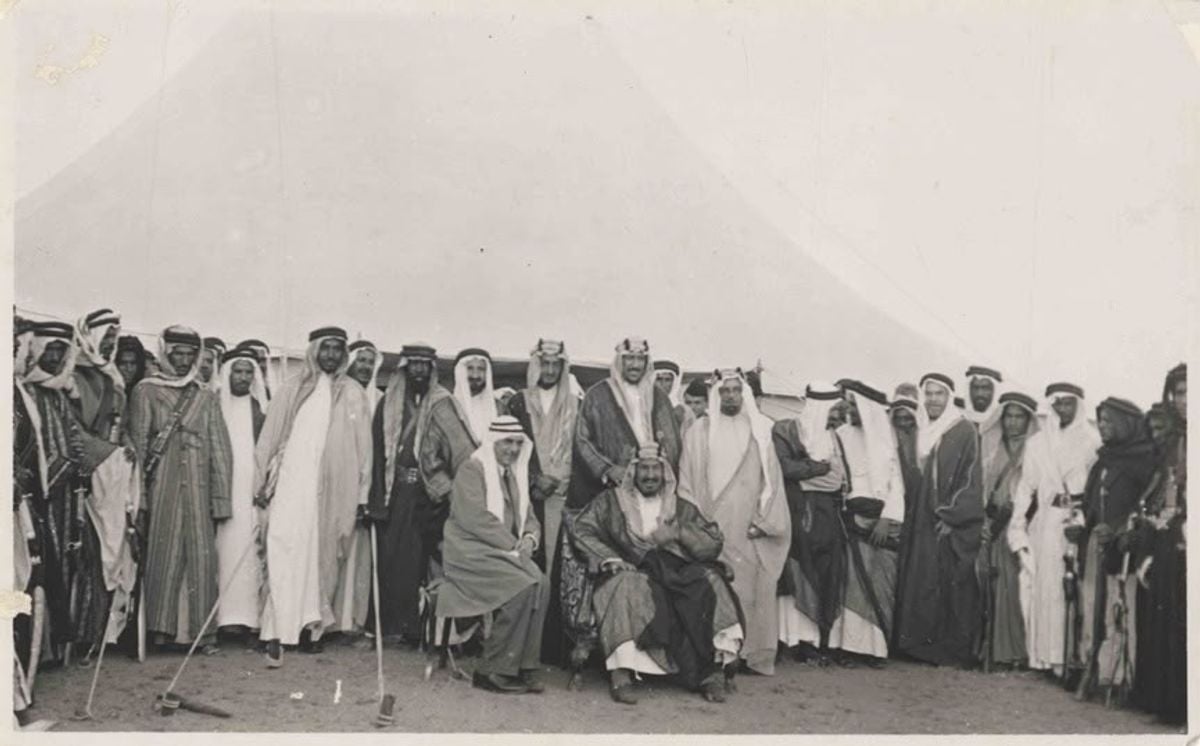
Covering all major branches of anthropology—including cultures, customs, traditions, contemporary social systems, physical and linguistic aspects, archaeology, and human evolution—the encyclopedia highlights the interaction of Saudis with their environment throughout history. It documents the creation of a culture rich in values and diverse lifestyles, unified national and religious identity, and traces the evolution of Saudi society from era to era up to the present day and the period in which the encyclopedia was published.
Comprehensive fields:
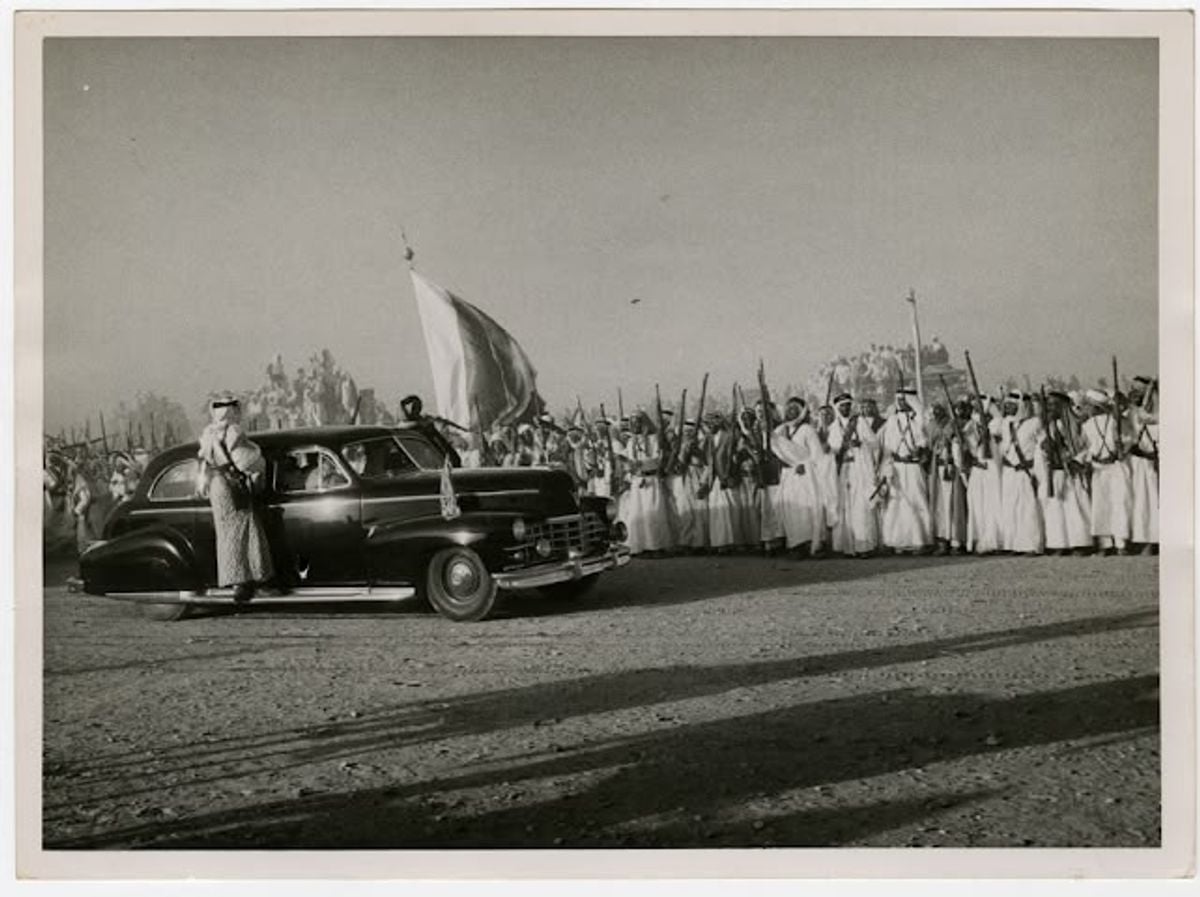
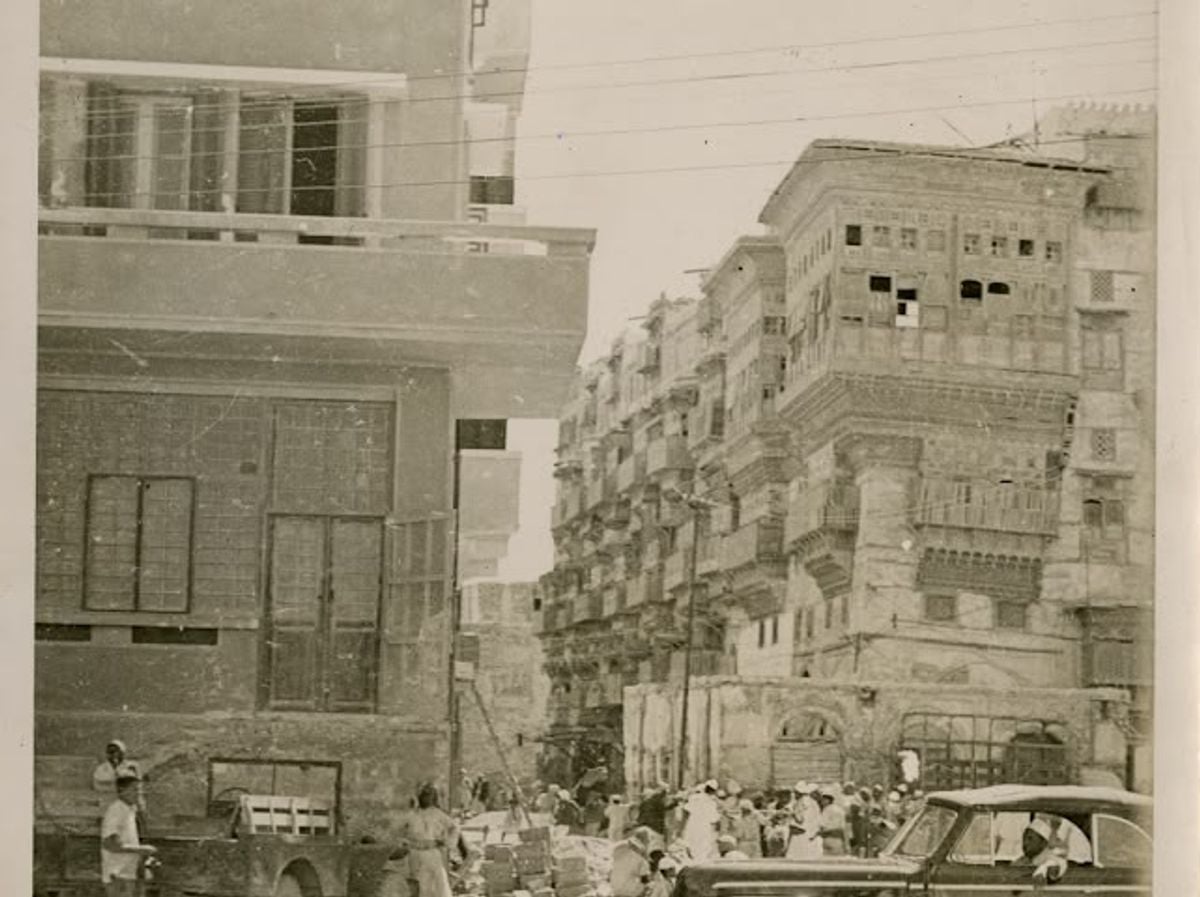
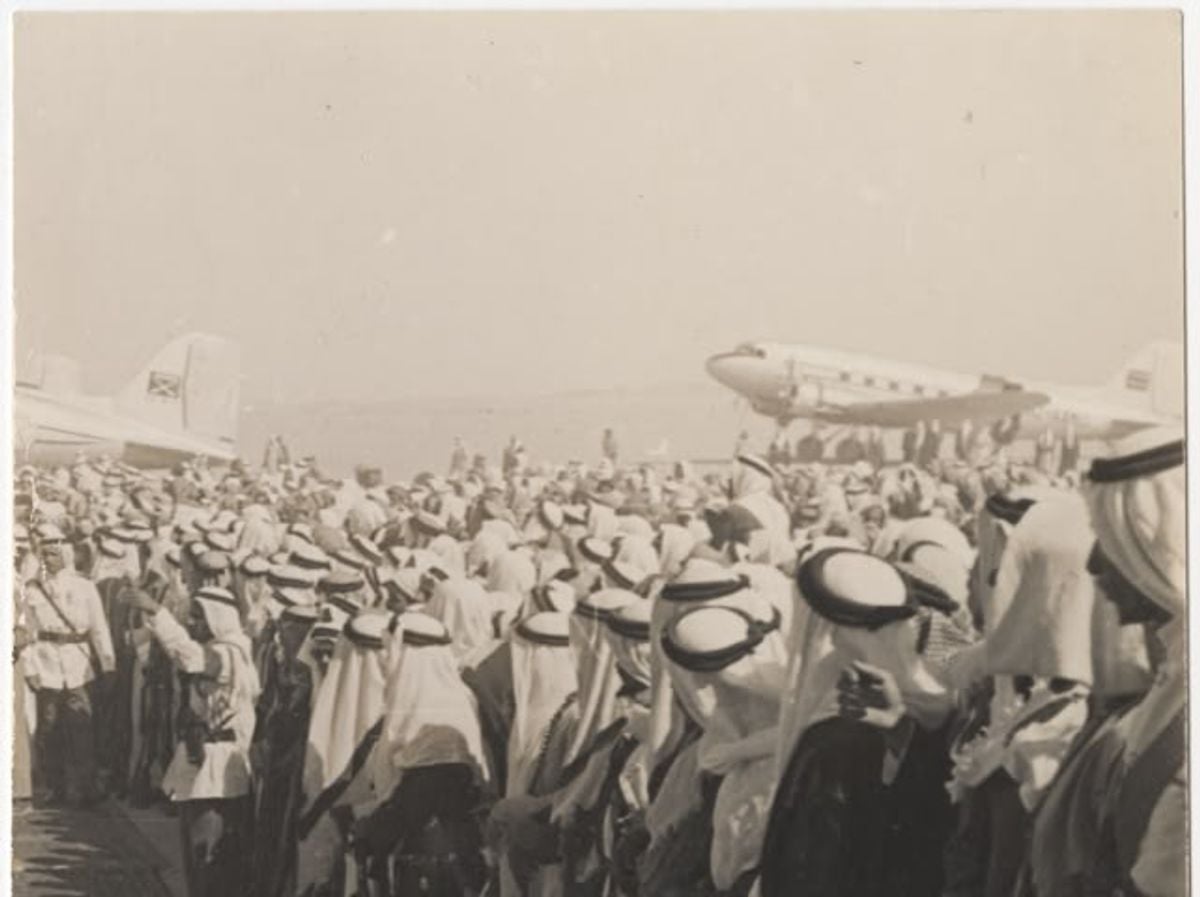
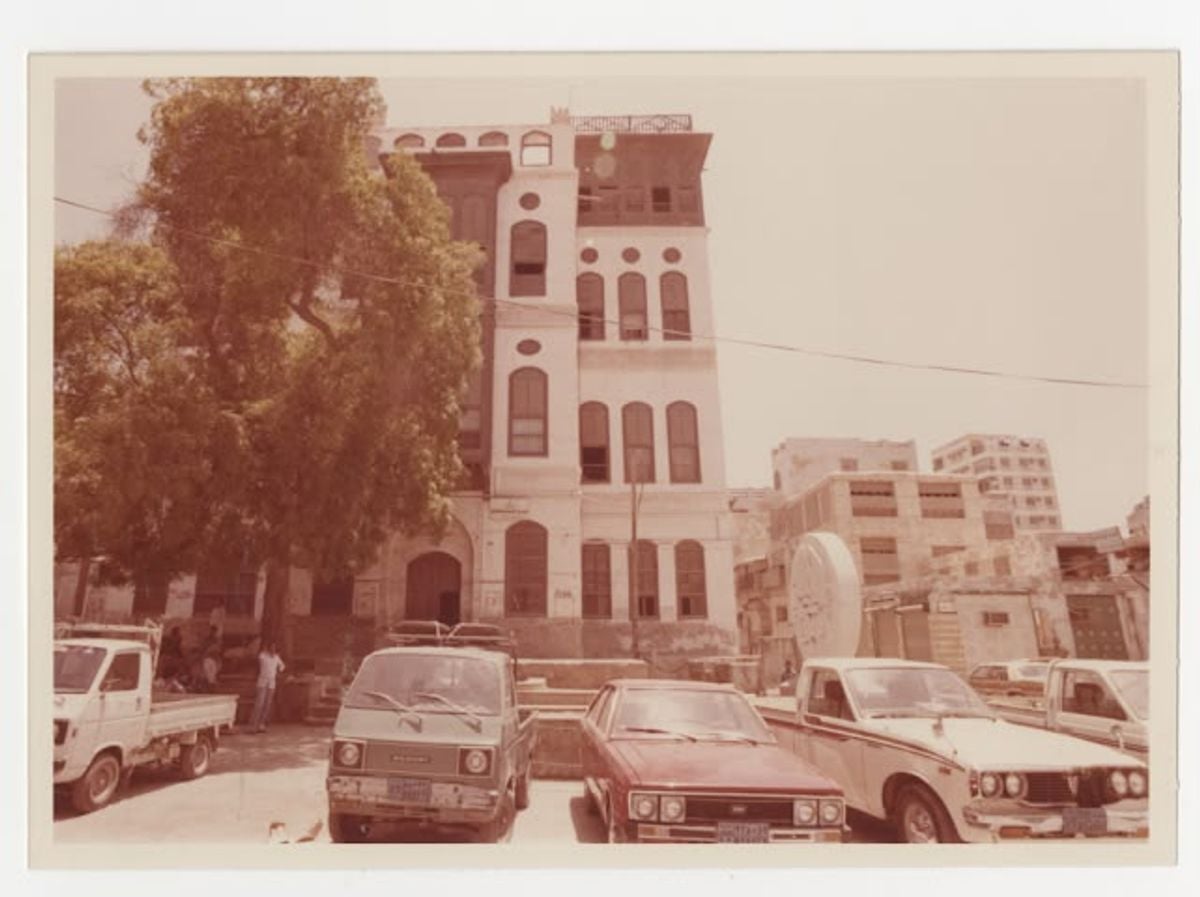
Anthropological aspects are intensively documented in the encyclopedia through elements such as social patterns, customs, and traditions—including marriage practices, hospitality, family and tribal ties—and their evolution from rural and Bedouin life to urbanization. Oral literature is also examined, with a focus on Saudi Arabia’s linguistic diversity, documenting local dialects, proverbs, folktales, and Nabati poetry as reflections of societal thought and values. The encyclopedia records traditional dances and songs associated with occasions, warfare, and labor—such as the Ardah, Samri, and Asiri Khatwa—analyzing their cultural and social significance. It also studies how Saudis have adapted to their geographical environments—desert, mountain, or coastal—by documenting traditional occupations, analyzing traditional housing, and examining the relationship between architectural styles and social privacy or climate in each region.
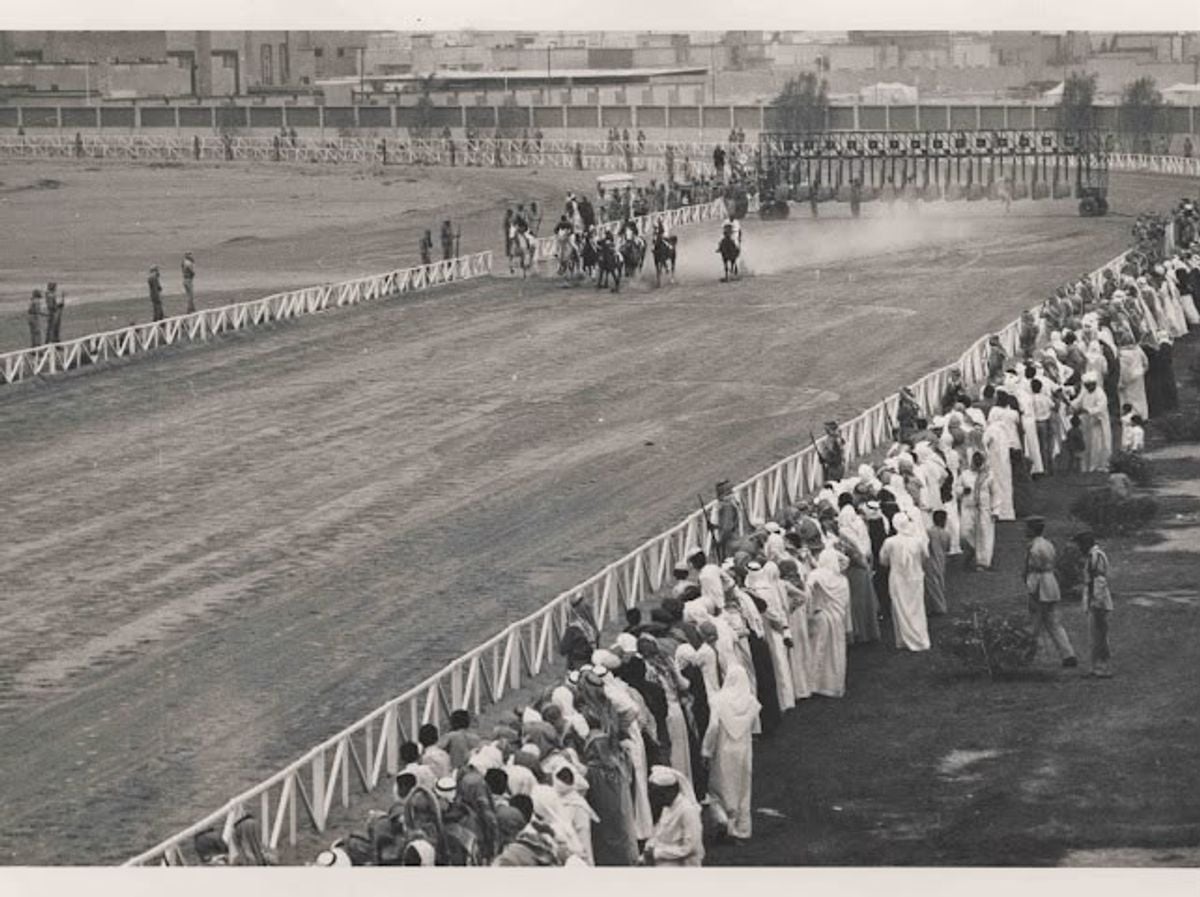
The encyclopedia also focuses on social structures, tribes, families, customs for occasions and seasons, and daily life practices. It documents intangible cultural heritage, clearly recording folklore, handicrafts, traditional foods, and historical attire across the Kingdom’s regions, cities, and villages.
Additionally, the encyclopedia documents historical sites, antiquities, and prehistoric inscriptions, intersecting with archaeological anthropology and the development of human settlement in the Arabian Peninsula, providing a broad descriptive account of life and society.
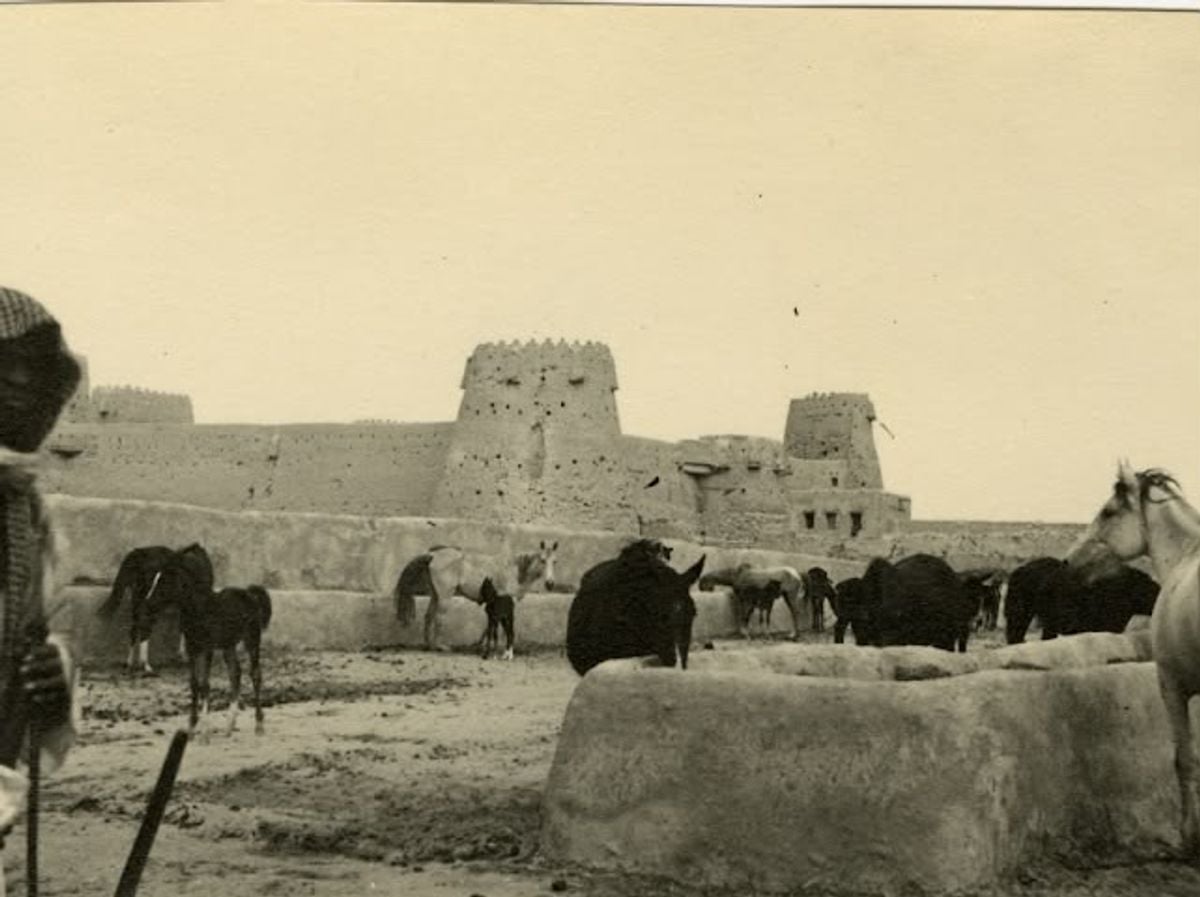
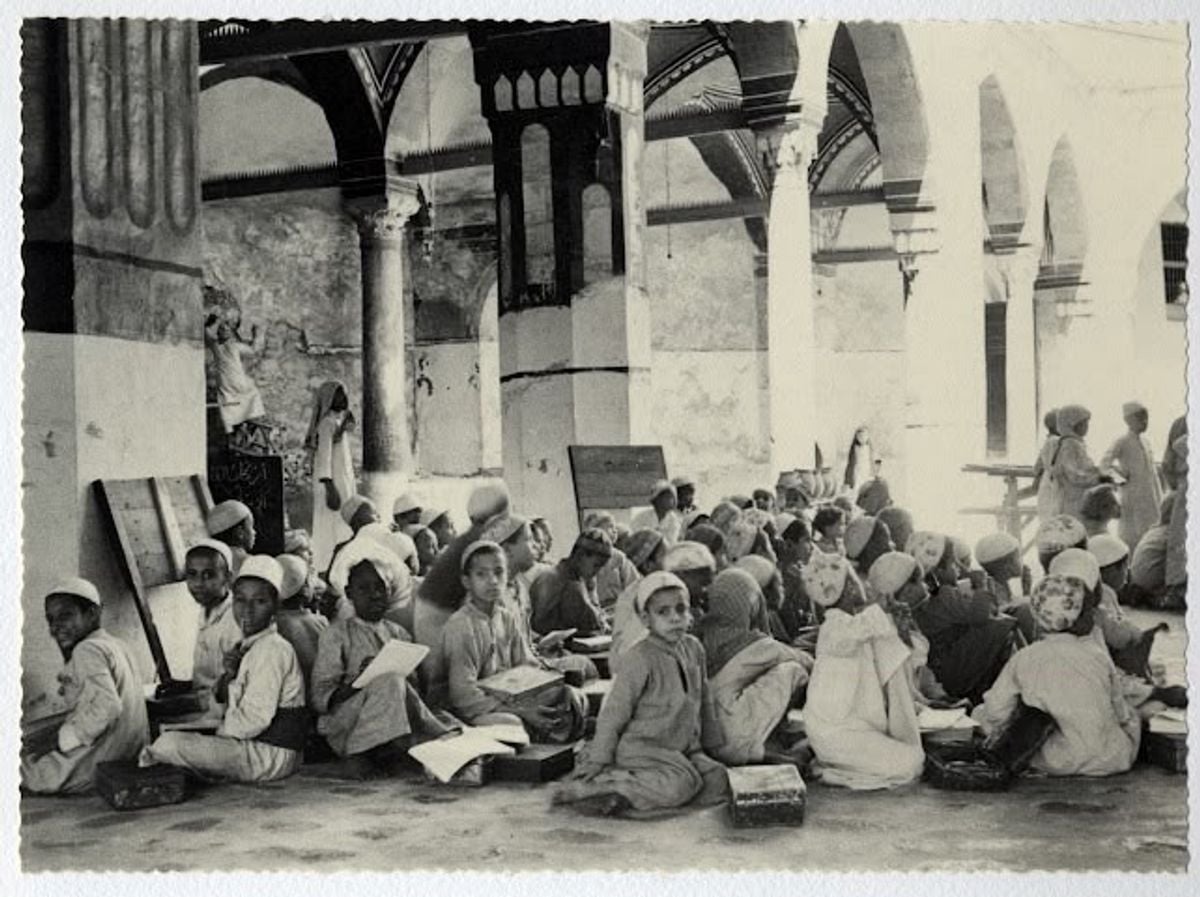
Anthropological content is distributed throughout the encyclopedia, exploring Saudis’ relationship with their environment, demographic shifts, daily practices, traditional lifestyles, societal values, folklore, popular arts, songs, and regional tales. It also studies cultural symbols through clothing, jewelry, and everyday tools, records linguistic diversity and local dialects as keys to cultural identity, and surveys the material and cultural remains of humans in the Arabian Peninsula. The encyclopedia reviews ancient civilizations that settled in Saudi Arabia and their development, analyzing inscriptions, rock art, and ancient symbols to understand the behaviors and beliefs of past societies.
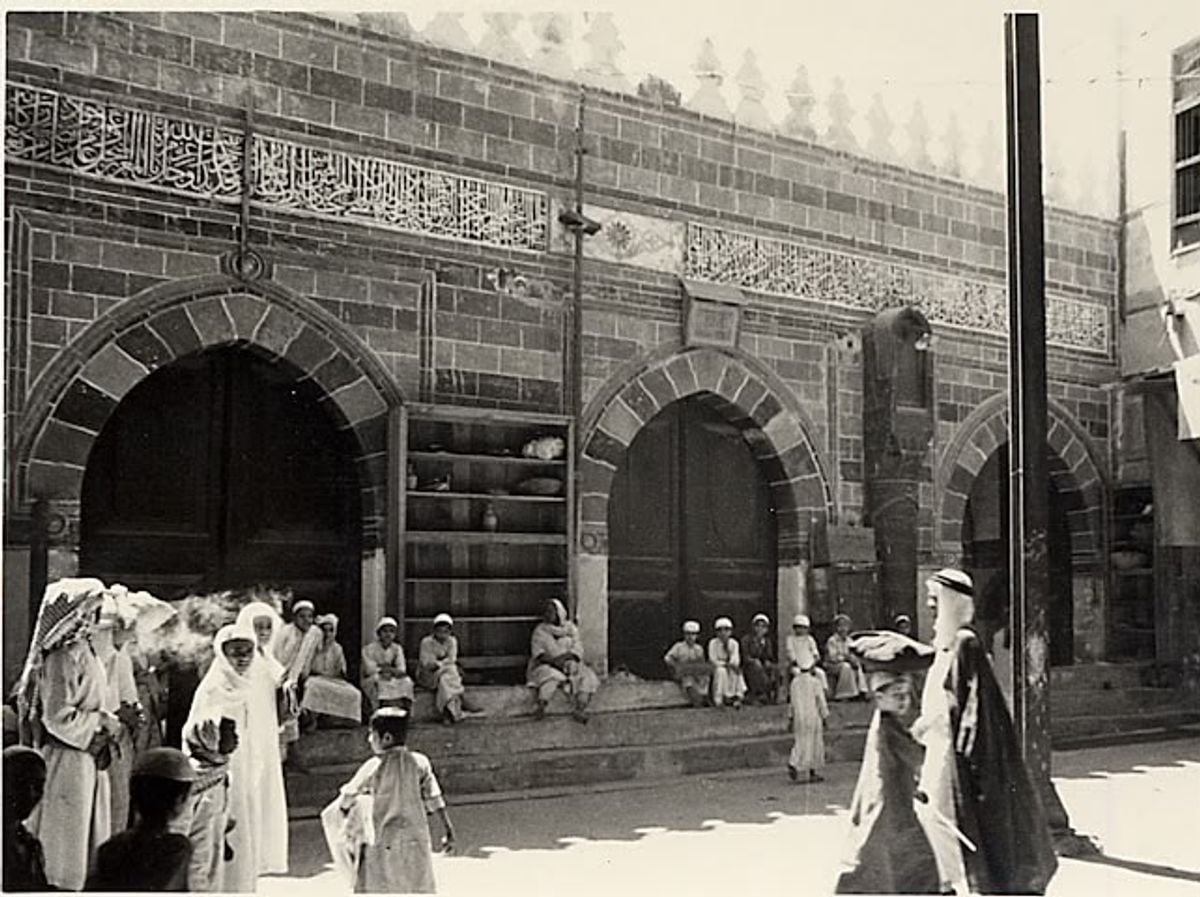
Anthropological spaces
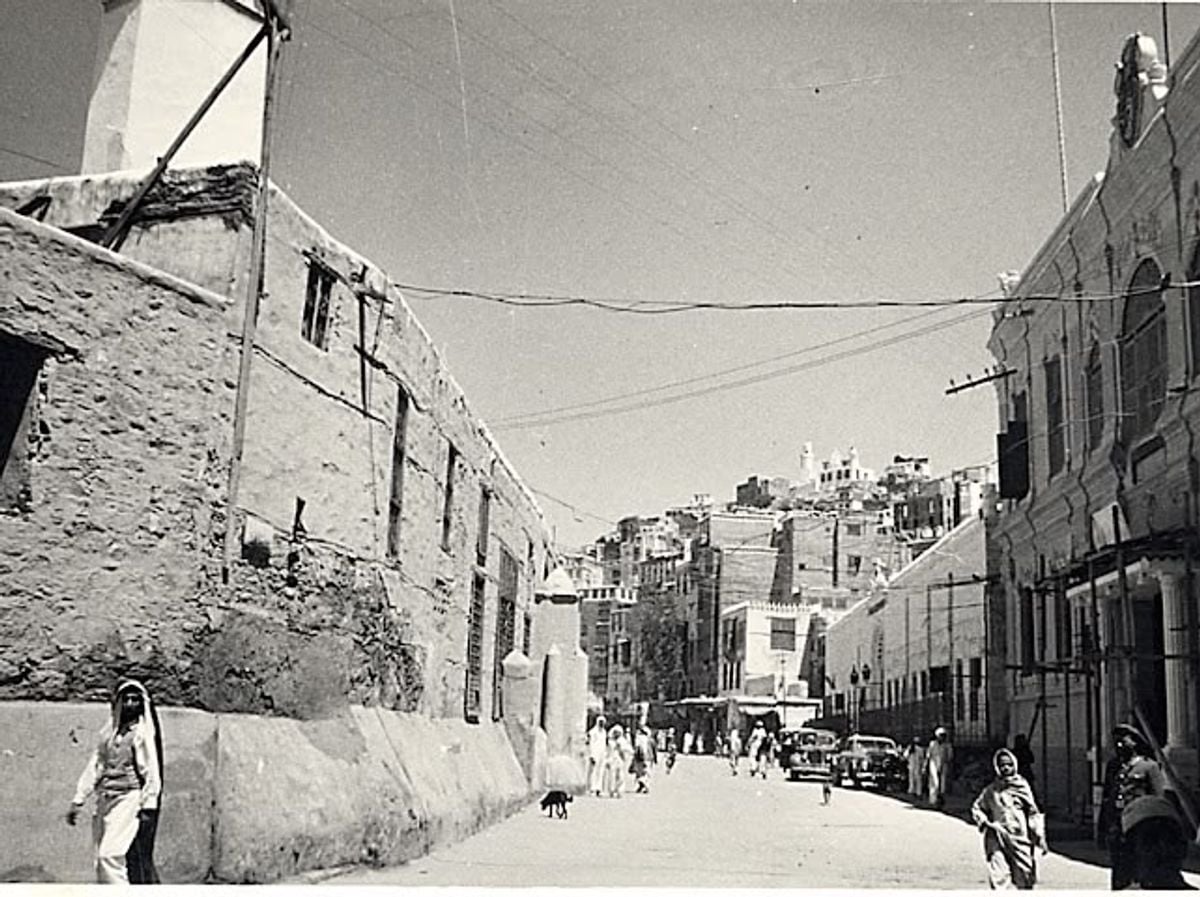
The encyclopedia documents Saudi Arabia’s anthropological landmarks over several centuries, presenting each region’s geographic area, population density, oldest and most urbanized cities, and the largest and most diverse in population structure. It details the cultural differences shaped by environmental and living conditions in each part of the Kingdom, including housing, architecture, handicrafts, wells, springs, lakes, agricultural, desert, and Bedouin areas, as well as commercial and economic zones, ports, and mosques—especially the Grand Mosque and the Prophet’s Mosque. It also covers mineral resources, oil, livestock, camel and horse breeding, and the diversity of ethnicities, dialects, clothing, and plant life.
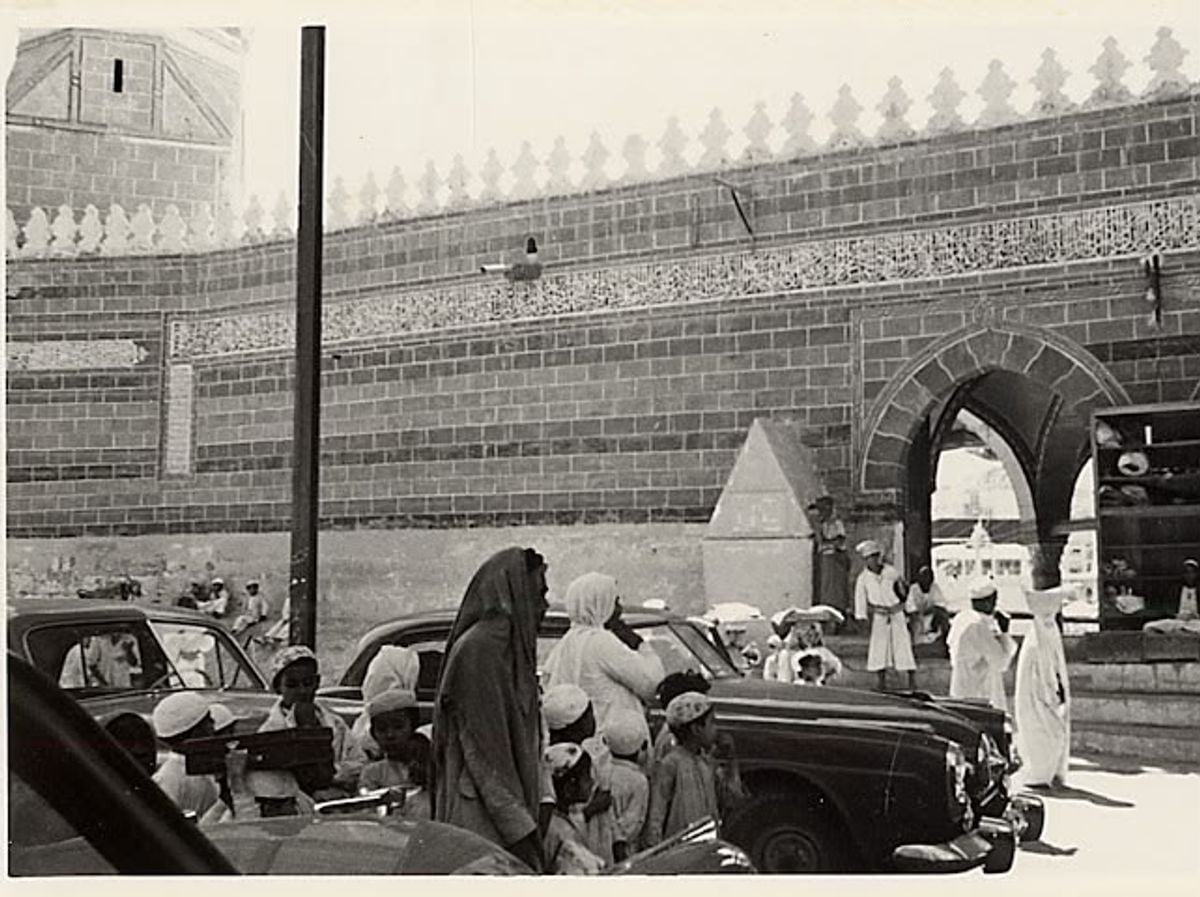
The encyclopedia records information on highlands, mountains, valleys, antiquities, and inscriptions, all serving as material evidence of human activity in the region before and after Islam, highlighting the intellectual and civilizational significance of each area.
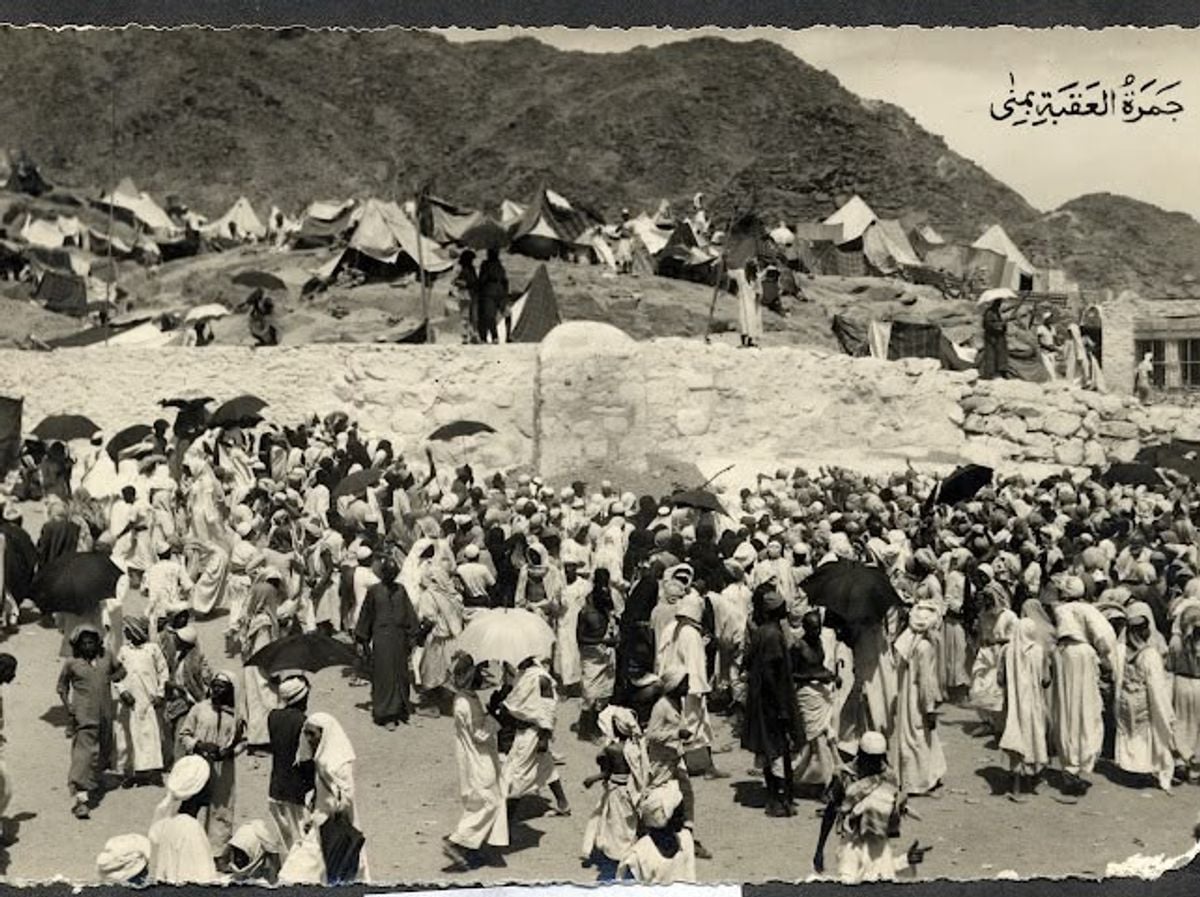
The encyclopedia utilizes a wide array of maps—geographical, topographical, thematic, and illustrative—covering the Kingdom as a whole and each region individually. It also includes various illustrative diagrams to clarify content and present data graphically, such as typographic, population, economic, and service statistics, along with numerous detailed tables.
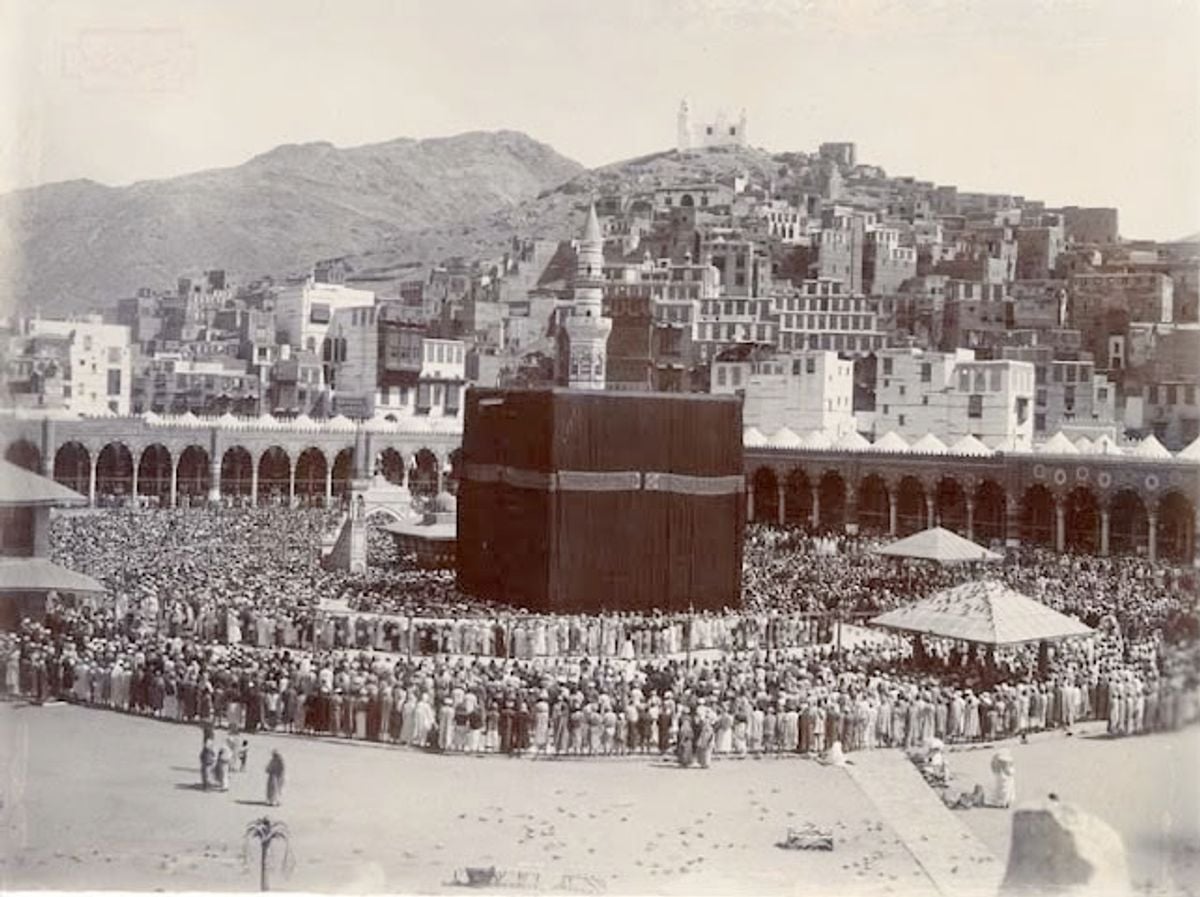
More than 250 academics and researchers contributed to the encyclopedia, which comprises 20 volumes spanning over 20,000 pages and includes more than 10,000 photographs as visual scientific material supporting its academic and methodological dimensions. Between 500 and 1,000 images are dedicated to each of the Kingdom’s 13 regions. The encyclopedia is considered one of the largest and most comprehensive works covering the various regions of Saudi Arabia, serving as the primary research reference for anyone seeking an encyclopedic understanding of the Kingdom.