
Jeddah authorities shut down two illegal sites, destroy over 3.4 tons of unsafe food
Jeddah Municipality has closed two illegal sites in Umm Al-Salam for storing and preparing unregulated food and operating an unauthorized bakery.
Key Takeaways
AIJeddah Municipality has shut down two illegal sites in the Umm Al-Salam district in the southeast of the city, where unregulated food products of unknown origin were being stored and prepared, and unauthorized bread production was taking place. The action was part of ongoing inspection campaigns aimed at protecting food safety, curbing illegal practices, and raising compliance with health and municipal regulations.
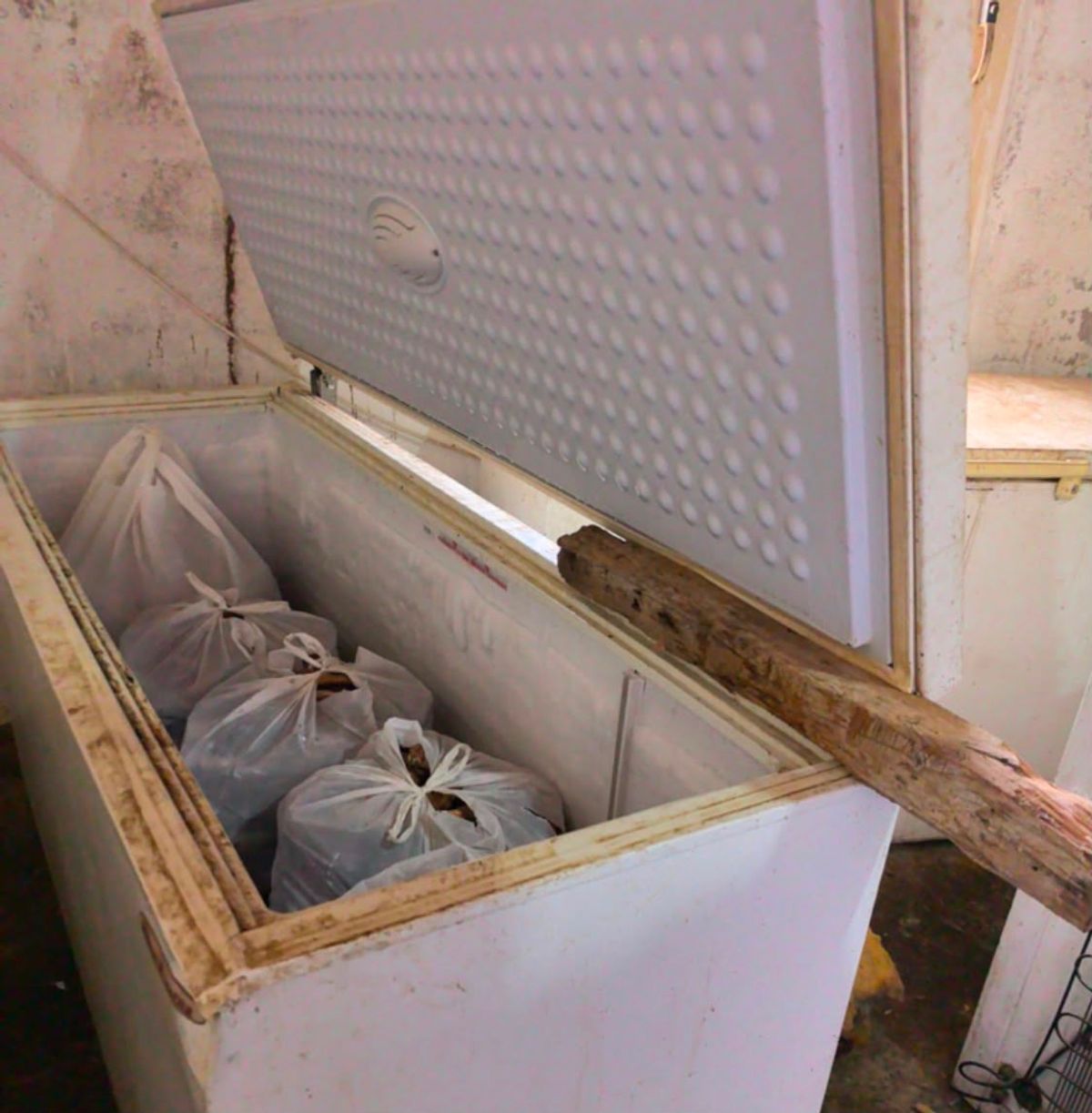
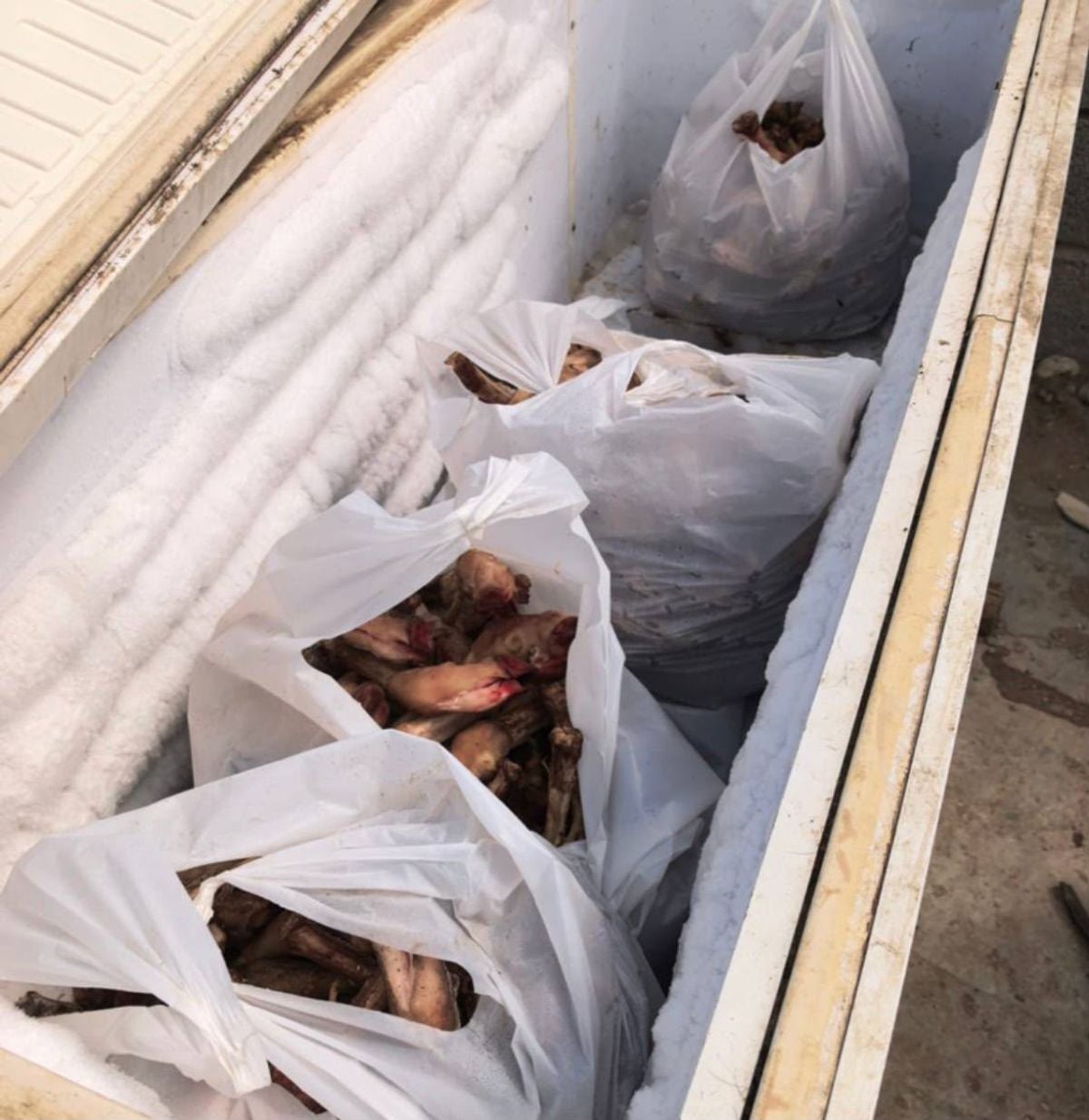
According to the municipality, the first site was being used for the unlicensed storage and preparation of "slaughter remnants" of unknown origin. Field teams discovered nine refrigerated units containing these materials, many of which showed signs of spoilage and decay in unsanitary conditions. The products were being readied for distribution and sale.
The Sub-Municipalities Agency, represented by the General Department for Monitoring and Addressing Negative Phenomena, reported that approximately 2,500 kilograms of seized materials were destroyed. The refrigerators and freezers used were confiscated, the site was closed, and the workers involved were referred to the relevant authorities for legal action.
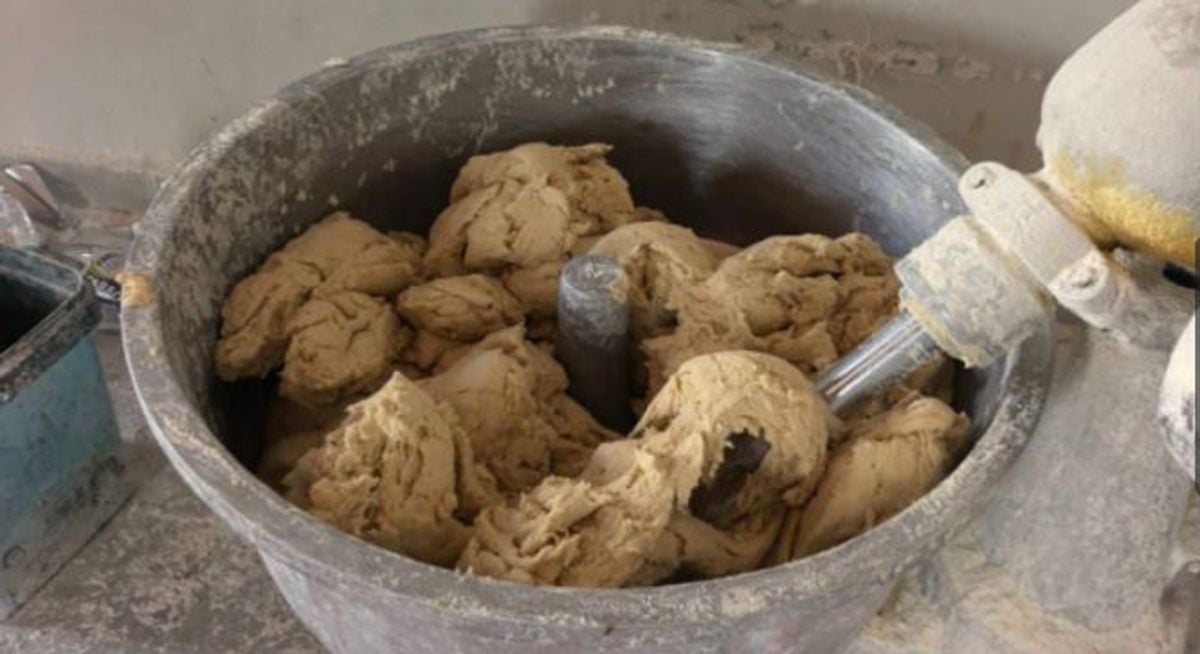
At the second site, inspectors uncovered an unlicensed bakery operating in a large yard, where white bread was being produced using primitive methods in unsanitary conditions. Spoiled raw materials and equipment used in bread production were also seized.
The Umm Al-Salam Sub-Municipality took immediate action at the site, destroying 900 kilograms of white flour, 65 bags of dried bread, and a quantity of corn of unknown origin. The equipment and tools used were confiscated, the site was closed, and the workers were referred to the relevant authorities for further action.
The campaign was carried out in cooperation with the Umm Al-Salam Sub-Municipality, the Zakat, Tax and Customs Authority, the Ministry of Commerce, field enforcement teams, and Civil Defense. The joint inspection aimed to address illegal sites and practices, enhance food safety, and improve compliance with municipal regulations.