
Saudi National Day marks years of transformation and growth
Saudi Arabia celebrates its 96th National Day, reflecting on unification, ongoing development, and milestones achieved under Vision 2030.
Key Takeaways
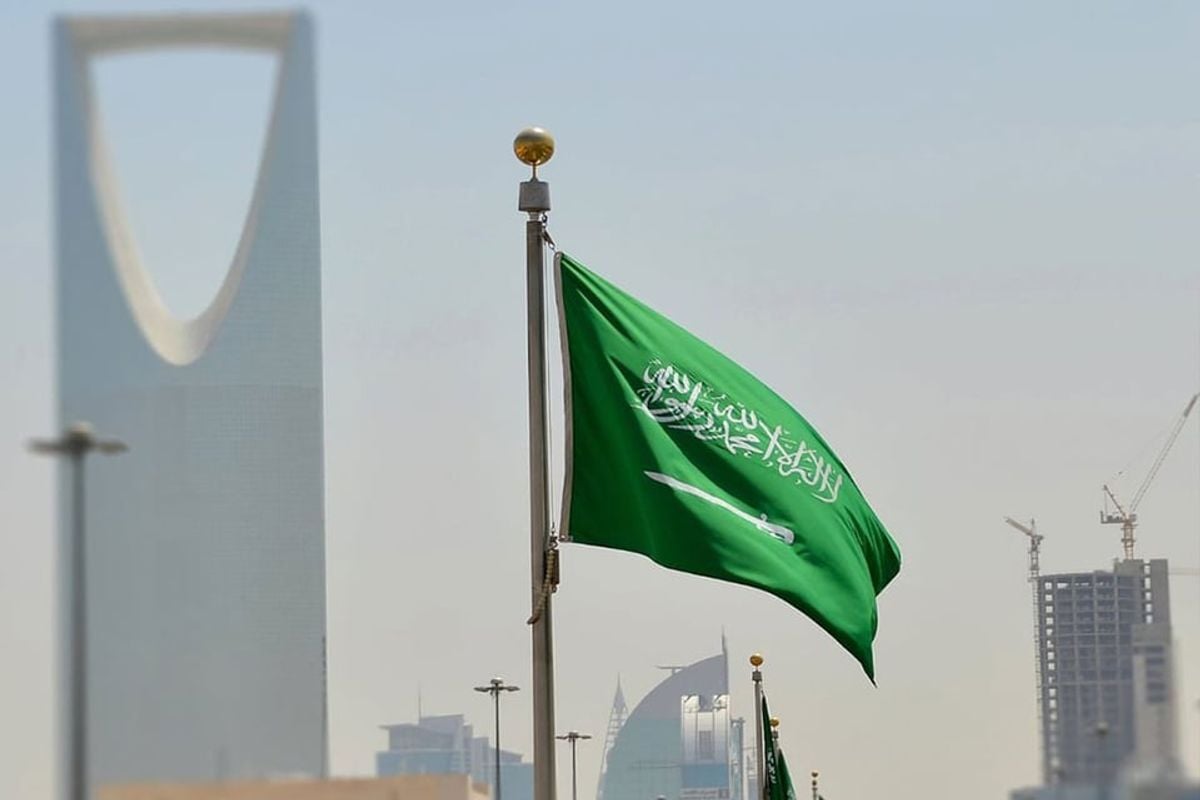
AISaudi Arabia celebrates its National Day today, Wednesday, September 23, 2026, under the theme "Our Pride is in Our Nature," recalling the unification led by King Abdulaziz bin Abdulrahman Al Saud and continuing the journey of development witnessed under King Salman bin Abdulaziz Al Saud and Crown Prince and Prime Minister Mohammed bin Salman.
In recent years, the Kingdom has expanded its transformation efforts across the economy, government services, technology, education, culture, and the environment, while strengthening its international presence. These changes align with the goals of Vision 2030, launched in 2016 as a roadmap to reshape development, government operations, and the national economy.
Government reforms and a vision for the future
Since assuming the throne in January 2015, the government has undergone restructuring, including the dissolution of several committees and supreme councils, and the creation of the Council of Political and Security Affairs and the Council of Economic and Development Affairs. Ministries have been reorganized, with the Ministry of Culture and specialized agencies established to boost spending efficiency and drive national transformation.
In April 2016, Vision 2030, presented by Crown Prince Mohammed bin Salman, was approved as a comprehensive framework for economic and social reform and national development. The following years saw the launch of initiatives and projects across multiple sectors, alongside social reforms that increased women's participation in the workforce and leadership roles.
Reforms also extended to anti-corruption and integrity, with the establishment of the Supreme Anti-Corruption Committee in 2017 chaired by the Crown Prince.
Diversified economy and growing investment
Economically, Saudi Arabia continues to diversify its income sources, attract investment, and strengthen non-oil sectors, while implementing projects and initiatives to boost competitiveness.
According to the 2026 World Competitiveness Yearbook by the International Institute for Management Development, Saudi Arabia ranked 13th globally and third among G20 countries, advancing four places.
Net foreign direct investment inflows reached $32.6 billion in 2025, an increase of nearly 53% compared to the previous year.
The technology and artificial intelligence sector also saw significant growth, with the LEAP 2026 conference in Riyadh announcing launches, investments, and partnerships exceeding $15 billion in AI and advanced technologies. The Kingdom also approved the charter for the International Center for AI Research and Ethics.
Digital government: transforming services
The economic transformation was matched by the digitization of government services. Saudi Arabia ranked second globally in the 2025 Digital Government Maturity Index by the World Bank Group, out of 197 countries.
The Kingdom, represented by the Saudi Data and AI Authority (SDAIA), won the 2026 United Nations Public Service Award for the National Data Bank and the Estishraf platform, recognizing their role in supporting data sharing, analysis, and improving planning and decision-making.
Environment and sustainable development
In the environmental sector, Saudi Arabia rehabilitated its first one million hectares of degraded land under the Saudi Green Initiative, earning the United Nations award for leading global land restoration models. The recognition highlights efforts to enhance vegetation, restore degraded lands, protect ecosystems, and promote biodiversity.
The Heritage Commission registered 8,581 architectural heritage assets in the National Register of Architectural Heritage across Asir, Al-Baha, and Makkah, achieving the target of registering 50,000 heritage assets nationwide.
People at the heart of development
Transformation has extended beyond the economy and services, with development programs covering education, culture, and society, as well as initiatives supporting families, youth, and entrepreneurship.
Social initiatives include the establishment of the Mohammed bin Salman Foundation (Misk), the launch of the "Sanad Mohammed bin Salman" program, and the Prince Mohammed bin Salman Project for the Development of Historical Mosques. The education sector saw a royal decree approving the General Education Law to enhance governance, improve educational quality, and organize sector roles.
Saudi students won 24 awards at the 2026 International Science and Engineering Fair (ISEF), including 12 grand prizes and 12 special awards. The Kingdom ranked first globally in computational biology and informatics.
During Jeddah's hosting of the International Nuclear Science Olympiad, Saudi students won two gold, one silver, and one bronze medal, along with individual titles and awards.
Caring for the Two Holy Mosques and serving pilgrims
The Two Holy Mosques and projects serving pilgrims have received ongoing attention, including the third expansion of the Grand Mosque, the establishment of the Royal Commission for Makkah City and Holy Sites, and the launch of the Pilgrim Experience Program under Vision 2030.
The "Makkah Route" initiative expanded with a third terminal in Lahore, Pakistan, allowing pilgrims to complete procedures in their home countries before arriving in Saudi Arabia.
Saudi Arabia's humanitarian presence extended abroad through relief bridges to Gaza and support for Yemen via the Saudi Program for the Development and Reconstruction of Yemen. The Kingdom ranked second globally and first in the Arab world among humanitarian and relief aid donors, according to the UN Financial Tracking Service.
International presence and strategic partnerships
Alongside domestic development, Saudi Arabia has strengthened its international presence by expanding political, economic, and investment partnerships.
During the Crown Prince's visit to the United States in November 2025, he held the Saudi-US Summit with President Donald Trump, discussing bilateral relations, partnership enhancement, and regional and international developments.
In August 2026, the Crown Prince's visit to France included the inaugural meeting of the Saudi-French Strategic Partnership Council and a Saudi-French investment roundtable to explore joint projects and investment opportunities.
Recent months also saw regional meetings addressing security and political developments and strengthening Gulf cooperation, including an agreement to implement a high-speed passenger rail project between Saudi Arabia and Qatar, and agreements and memoranda of understanding within the Saudi-Bahraini Coordination Council.
In August 2026, Makkah hosted a joint defense summit between Saudi Arabia, Turkey, and Pakistan, resulting in the signing of the "Makkah Joint Defense Agreement."
Decisions impacting citizens' lives
Recent regulatory decisions have addressed services and citizens' needs, including approval of regulations governing landlord-tenant relations in Riyadh and amendments to the decision on developing planned lands for housing support programs, aiming to increase supply and strengthen partnerships with the private sector.
These measures are part of broader efforts to develop services and improve efficiency, alongside infrastructure projects and quality of life enhancements across the Kingdom.
From the legacy of unification to future ambitions
More than a decade after King Salman assumed the throne, and with Crown Prince Mohammed bin Salman becoming Prime Minister, Vision 2030 has become the overarching framework for the Kingdom's economic, social, and developmental transformation.
On the 96th Saudi National Day, the Kingdom reflects on the legacy of unification established by King Abdulaziz, while its current path focuses on broadening the economic base, developing services, investing in people, and enhancing its global presence, all while pursuing Vision 2030 goals.
From a journey that began with unification to ambitious projects for the future, Saudi Arabia continues to build a development model leveraging its human, economic, and technological potential, rooted in its national heritage and aiming for further transformation in the years ahead.