

Saudi Arabia sets regulations for self-driving taxi operations
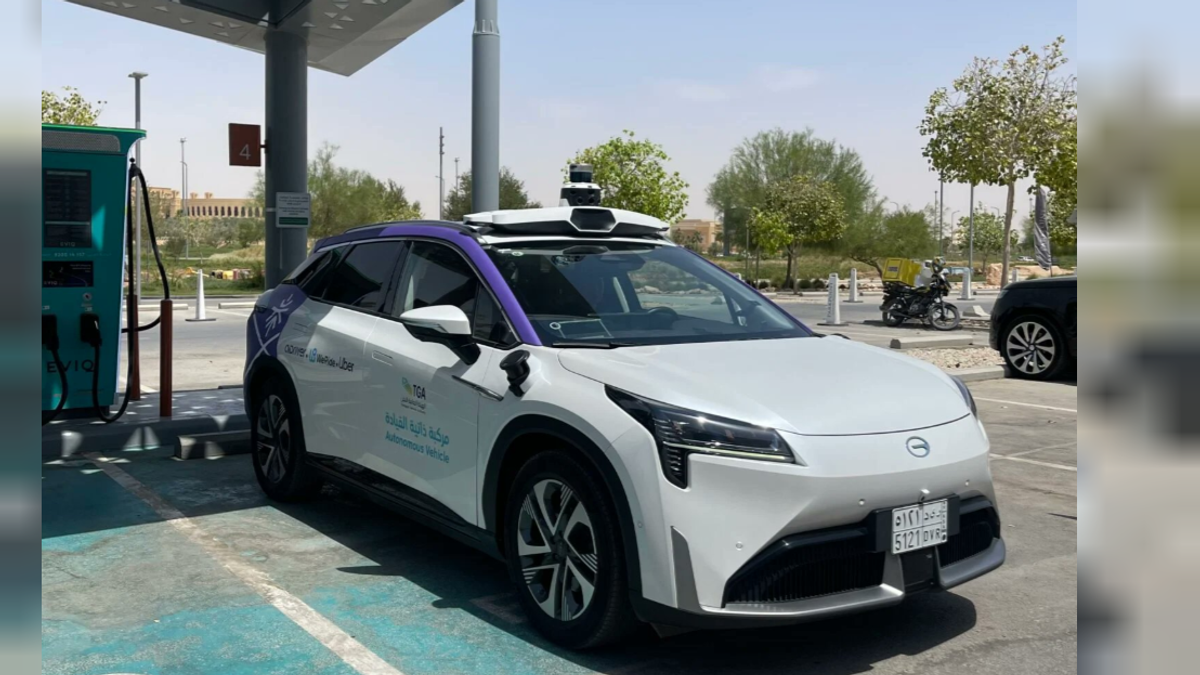
Saudi Arabia has published new regulations for licensing and operating self-driving taxis, requiring at least five vehicles and a safety supervisor for each car.
Key Takeaways
AISaudi Arabia’s official gazette, Umm Al-Qura, on Friday published the executive regulations for passenger transport using self-driving vehicles, outlining licensing requirements for companies, as well as vehicle and operational standards under the country’s road transport law.
The regulations aim to organize and develop the sector, encourage investment, and align with the Kingdom’s economic and social development goals, while considering environmental, security, and safety requirements. Only licensed companies will be permitted to operate in this field.
To obtain a license, companies must provide at least five self-driving vehicles, either owned outright or through lease financing, assign a safety supervisor to each vehicle, and ensure the vehicles pass a trial period to verify operational readiness. The regulations also require defining the geographic area of operation and obtaining approval from the Saudi Standards, Metrology and Quality Organization to confirm the vehicles meet self-driving technology standards.
Licenses will be valid for three years and restricted to the designated geographic area. A provisional license valid for 180 days may be granted for companies to complete requirements, but they may not operate during this period.
The regulations define a safety supervisor as the person who oversees the vehicle, either from inside or remotely while the self-driving system is active, and who must be able to take control if needed. Supervisors must hold a valid driver’s license, a certificate of good conduct, and a “Professional Safety Supervisor” card valid for one year.
Service providers may apply to operate vehicles without an onboard safety supervisor, subject to approval by the relevant authority based on trial results, safety requirements, and operational performance reports.
The operational lifespan of each vehicle is capped at 10 years from its manufacturing date. Each vehicle must have an annual operating permit and insurance covering liability for third parties and passengers.
Service providers are required to immediately halt operations and notify authorities if any malfunction in the self-driving system affects safety, in the event of accidents or repeated faults, cyberattacks, or manufacturer recalls. Vehicles may only resume service after the issue is resolved and approval is granted.
The regulations allow providers to refuse service in cases such as exceeding passenger capacity, failure to wear seat belts, smoking or eating in the vehicle, tampering with equipment, violating public decency, or specifying an unknown destination.
Pets may be transported if placed in cages and accompanied by a health certificate. Advertising is permitted inside vehicles in areas that do not affect passenger safety or comfort. Services must be booked via the provider’s app or ride-hailing platforms.