

AI and computer simulation to accelerate drug development, says SFDA chief
Saudi Food and Drug Authority CEO Hisham Al-Jadhey says AI and computer simulation can speed up drug development and improve patient access to treatments.
Key Takeaways
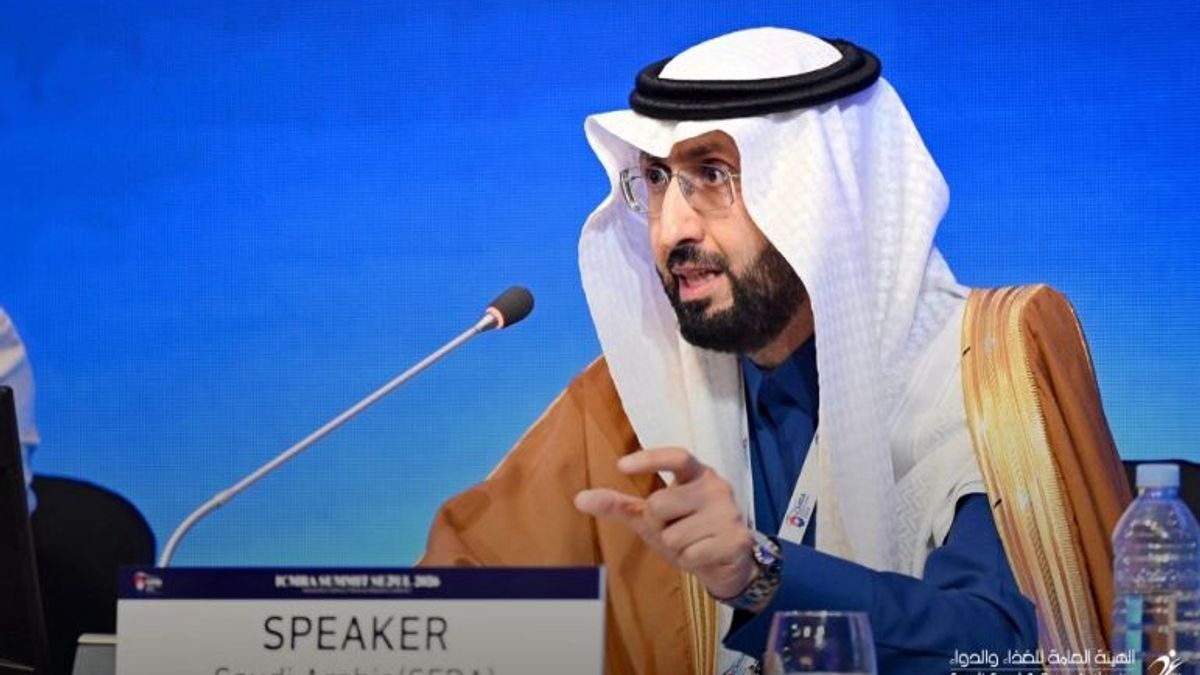
AIHisham Al-Jadhey, CEO of the Saudi Food and Drug Authority, said artificial intelligence and computer simulation offer promising opportunities to accelerate drug development and enhance the efficiency of clinical studies. This, he noted, will provide reliable scientific evidence to support regulatory decisions and facilitate patient access to safe and effective treatments, especially for rare diseases.
According to an official statement, Al-Jadhey made these remarks during his presentation at the annual summit of the International Coalition of Medicines Regulatory Authorities (ICMRA), hosted by South Korea's Ministry of Food and Drug Safety in Seoul, with the participation of regulatory leaders and representatives from around the world.
Al-Jadhey delivered a presentation titled "Computer Simulation-Based Clinical Trials" during the session "Global Trends and Practical Strategies for Using AI in Drug Regulation." He highlighted how AI and computer simulation are transforming drug development by accelerating clinical trials, strengthening scientific evidence for regulatory decisions, and reducing burdens on patients, while maintaining quality, safety, and efficacy standards.
He emphasized the importance of using these technologies to develop treatments for rare diseases, which face challenges in conducting traditional clinical trials due to limited patient numbers and difficulty recruiting participants. Al-Jadhey pointed out that computer simulation can complement and improve the design of conventional studies and, in appropriate cases, replace certain aspects, thereby speeding up the development and availability of treatments for patients.
He explained that the authority is working to create a supportive regulatory environment for this transformation through the "Nader" program for rare disease medicines, guidelines for using AI in clinical development, and the establishment of the "SEIL" AI laboratory to support the testing and evaluation of applications in regulatory science. He stressed that the benefits of these technologies depend on the reliability of the evidence they produce and its suitability for regulatory decisions, which requires data quality, model validation, transparency, human oversight, and enhanced international cooperation and knowledge sharing.
The session also discussed the experiences and approaches of several international regulatory bodies in using AI for drug and biologics regulation, supporting regulatory decision-making, improving communication methods, and applying regulatory lessons in healthcare. Participants included representatives from the US Food and Drug Administration, the European Medicines Agency, the UK's Medicines and Healthcare products Regulatory Agency, the Spanish Agency of Medicines and Medical Devices, and Brazil's National Health Surveillance Agency.
The participation of the Saudi Food and Drug Authority reflects its role in advancing international regulatory practices and keeping pace with technological developments in the pharmaceutical sector. It is the first regulatory body from the Middle East and North Africa to gain full membership in the coalition, enabling it to help shape policies and decisions, strengthen regulatory systems, and speed up patient access to safe and effective treatments.
The coalition is a global forum of heads of medicines regulatory authorities from around the world, aiming to enhance cooperation, coordination, information exchange, and expertise sharing. It works to unify efforts in addressing global health crises, ensuring the safety, quality, and efficacy of medicines and vaccines, and supporting innovation and the rapid availability of new treatments in line with safety standards.
View the post on X