

Traditional palm frond weaving thrives in Najran as a living heritage craft
Palm frond weaving in Najran endures as a traditional handicraft, reflecting local artisans' adaptation of heritage skills to modern needs.
Key Takeaways
AIPalm frond weaving has maintained its presence in Najran as a traditional handicraft, showcasing the skill of local artisans in utilizing natural materials to create a variety of products that have long been part of daily life in the region.
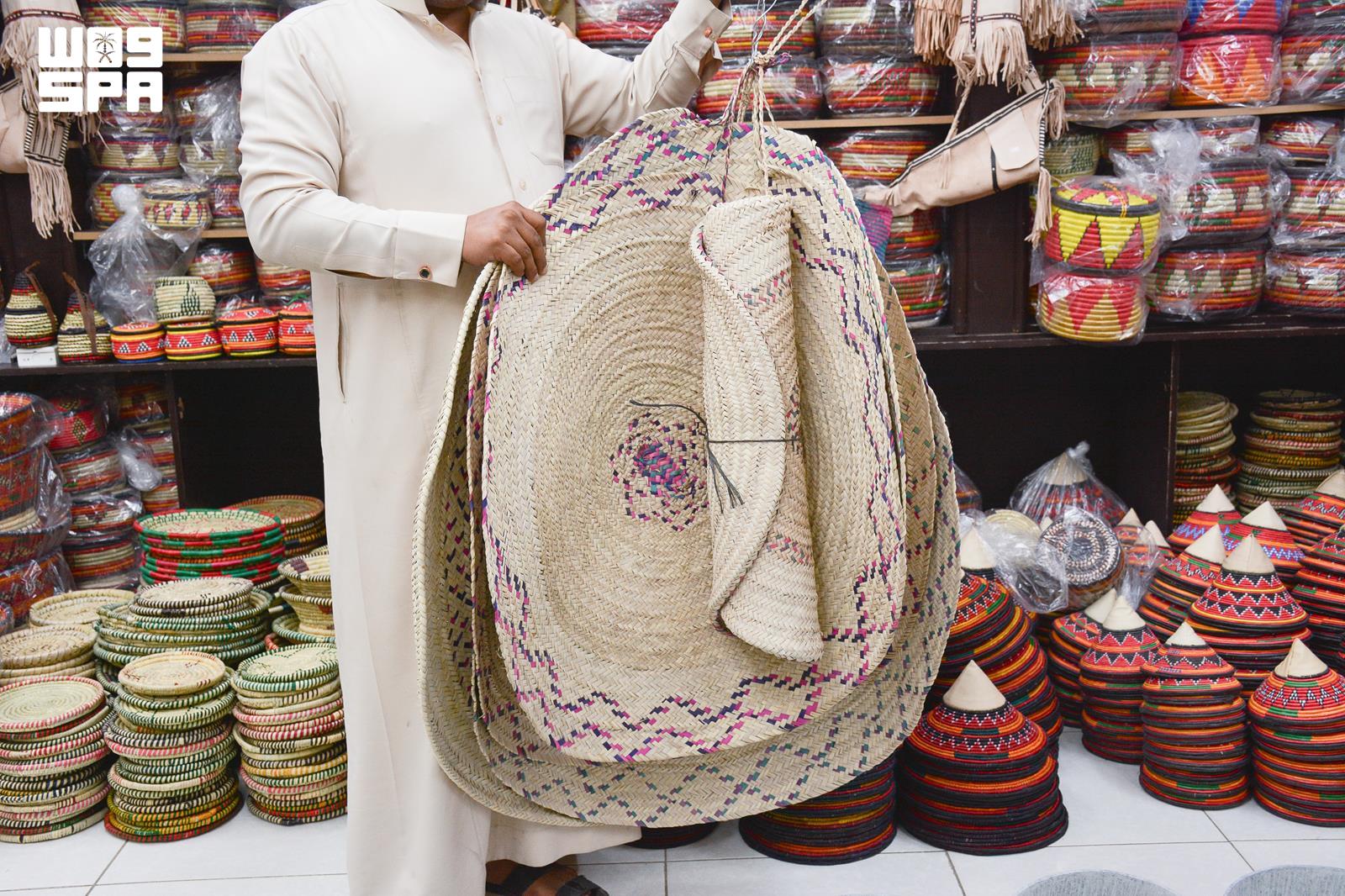
This craft relies on palm fronds and fibers to produce a range of items, including mats, rugs, baskets, storage containers, bags, hand fans, brooms, and ropes. Over time, these products have evolved in both form and function, blending traditional designs with contemporary artistic touches.
Strong presence in local markets
In the old traditional market of Aba Al-Saud district, shops display a wide selection of woven palm products, highlighting the artisans’ craftsmanship and introducing visitors to the region’s cultural heritage. These items are known for their intricate weaving and variety of shapes and colors.
Several artisans explained that palm weaving requires patience, precision, and skill, beginning with the careful selection and preparation of palm fronds before weaving. They noted that palm products continue to attract visitors and heritage enthusiasts, especially those that combine traditional forms with modern uses.
A craft passed down through generations
Many female artisans said they inherited the craft from family members and have developed their skills to create products that meet modern needs while preserving their traditional identity.
In this context, palm frond weaving in Najran reflects the deep connection between people and their environment, making use of local resources. It stands as a cultural legacy passed down through generations, retaining its artistic and social value as its uses continue to evolve.