
Iran faces deepening medicine shortages as prices soar sixfold amid war
Iran’s medicine crisis worsens in the seventh month of war, with soaring prices and shortages of hundreds of drugs threatening patient care and the health sector.
Key Takeaways
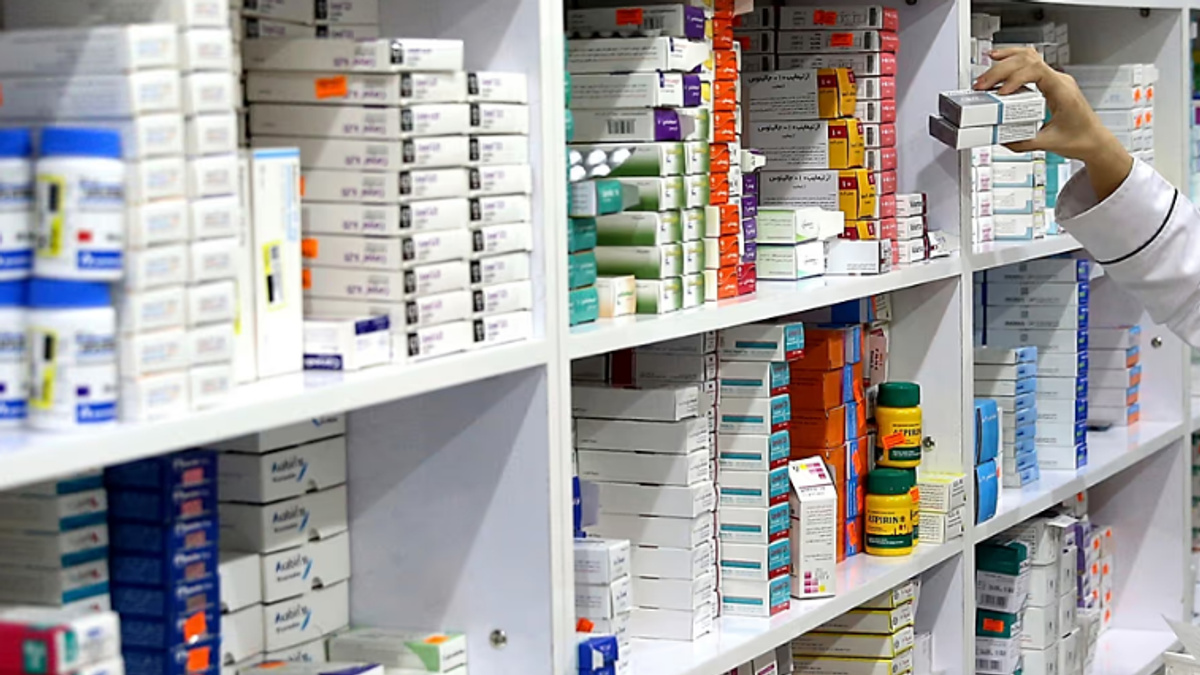
AIIran’s medicine shortage crisis has entered a more severe phase as the war continues into its seventh month, intensifying pressure on supply chains and pushing the prices of essential drugs to record highs. Markets are experiencing shortages of hundreds of medicines, complicating access to treatment for patients and increasing strain on the healthcare sector.
According to Euronews on Saturday, prices for basic medicines such as paracetamol and insulin have risen sharply, alongside significant shortages of less common drugs. The report noted that over 70% of healthcare costs in Iran are paid directly by patients, leaving the most vulnerable groups unable to afford treatment.
Euronews added that Iran’s pharmaceutical sector is facing acute shortages of hundreds of medications, including around 90 essential or life-saving drugs.
Euronews quoted Hadi Ahmadi, spokesperson for the Iranian Pharmacists Association, as saying that about 400 of the medicines in short supply are produced locally. He noted that local manufacturers’ reliance on imported raw materials means domestic production cannot shield the sector from supply chain disruptions.
Ruhollah Lak Aliabadi, a member of the Iranian parliament’s health committee, explained that difficulties in obtaining imported inputs directly impact the production and distribution of medicines.
Although medicines and humanitarian goods are typically exempt from direct sanctions under international law, banking restrictions, currency transfer difficulties, and transport disruptions linked to the blockade have hampered Iranian companies’ ability to purchase medicines and raw materials from abroad.
In late August, Washington launched an initiative called “Economic Pariah” to further restrict Tehran’s access to international financial networks.
Worsening the medicine shortages, steep price hikes have further limited patients’ access to treatment. Local media reported that the price of gabapentin, used for epilepsy and nerve pain, rose by 220% in a year, while paracetamol increased by 375%, amoxicillin by 285%, and fluoxetine by 100%.
The price of insulin, essential for daily use by diabetes patients, has in some cases reached six times last year’s level, while the ongoing decline of the rial on the parallel market continues to drive up the cost of medicines and medical products.
The crisis is particularly severe for patients with serious illnesses, as interruptions or delays in treatment for heart disease or cancer due to financial constraints can cause irreparable harm.
Meanwhile, the Iranian currency has lost about half its value over the past year amid tighter US sanctions and American and Israeli attacks since late February, adding further pressure to Iran’s economy.
The rial has fallen to a record low, exceeding 2.2 million rials to the US dollar, compared to around 1.65 million before the war began.
Iran’s economy has suffered for years from high, persistent inflation and a sharp decline in the value of its currency, further increasing import costs and the prices of medicines and basic goods.