

Tunisian meshmoum tradition endures at joyful occasions across generations
Meshmoum, a fragrant floral bouquet, remains a cherished symbol of celebration and connection in Tunisia, accompanying weddings and festive gatherings.
Key Takeaways
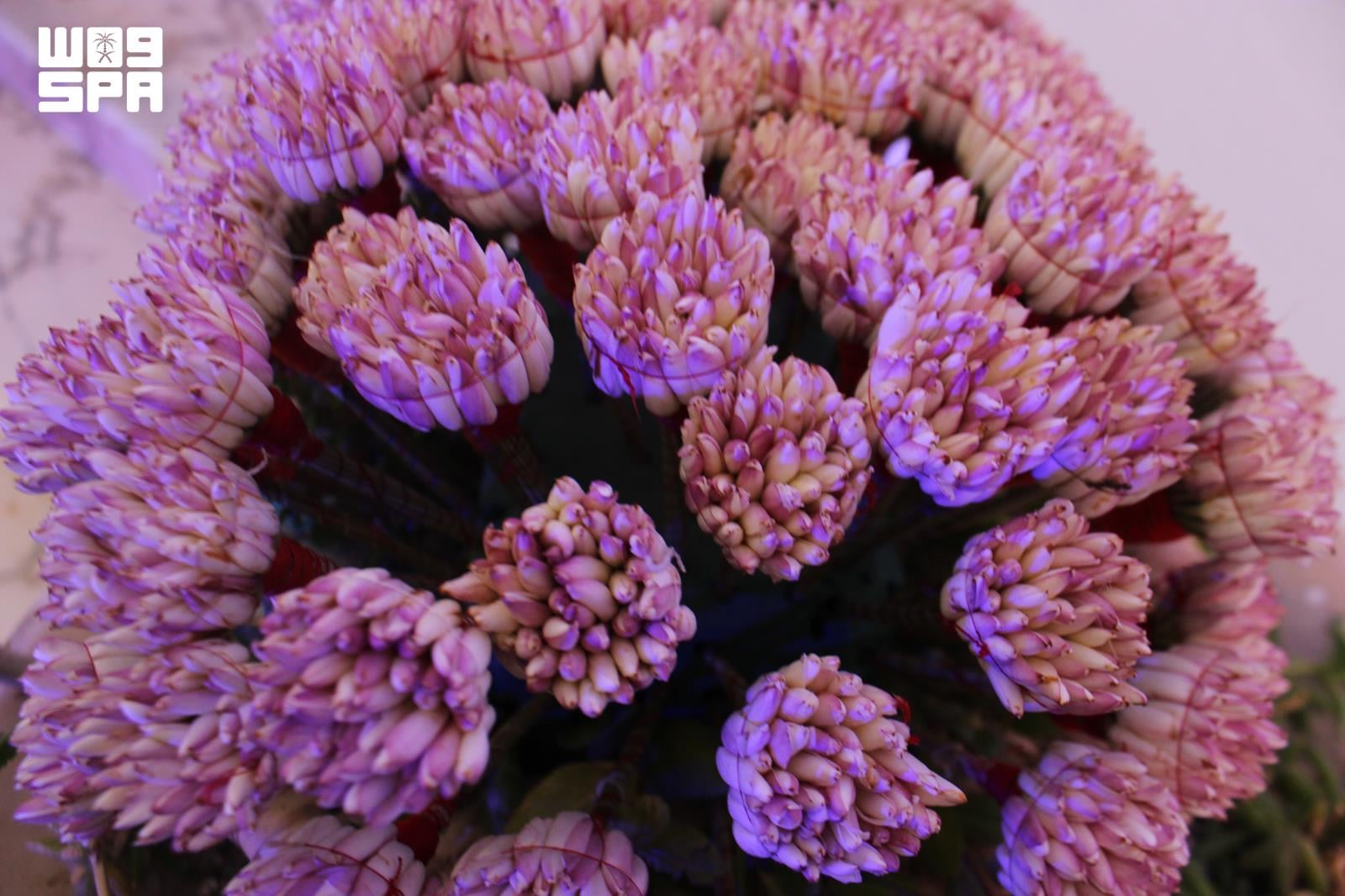
AIThe scent of meshmoum holds a special place in Tunisian society, accompanying people at joyful occasions and celebrations across generations. Meshmoum is a small bouquet made from orange blossom or jasmine flowers, carefully picked in their growing regions and skillfully arranged into a harmonious bundle by artisans.
The flower buds are gathered before they fully bloom, then arranged around slender halfa grass stems and secured with fine threads in a circular shape. While the preparation steps are simple, maintaining the bouquet’s symmetry and the flowers’ freshness requires skill and speed—a craft passed down through Tunisian families for whom growing and making meshmoum is also an important source of income.
The symbolism of meshmoum in Tunisian culture
The name “meshmoum” is derived from the Arabic verb “shamma,” meaning “to smell,” reflecting the bouquet’s main purpose: to be enjoyed for its fragrance and given as a gift during family visits, weddings, and happy celebrations. Meshmoum holds a special place at weddings, accompanying the bride and groom and being presented to guests and relatives as a gesture of welcome and affection.
The scent of orange blossom and jasmine wafting through Tunisian neighborhoods remains a familiar part of collective memory. Meshmoum is closely linked to feelings of love and connection, forming part of daily customs as well as the agricultural and commercial heritage of Tunisian society.