

Egyptian actor Qais Abdel Fattah divorces Tunisian wife two days after marriage
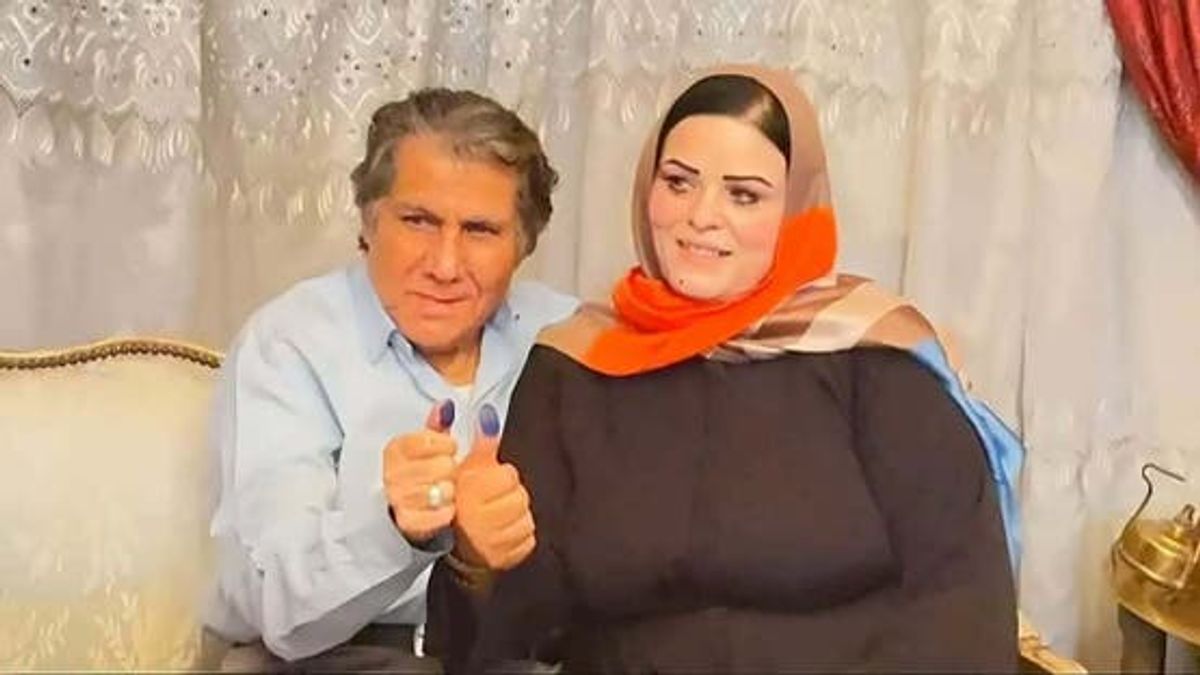
Egyptian actor Qais Abdel Fattah has announced his separation from his Tunisian wife just 48 hours after their marriage, citing cultural and age differences.
Key Takeaways
AIEgyptian actor Qais Abdel Fattah has officially announced his separation from his Tunisian wife just 48 hours after their marriage, attributing the decision to cultural differences, traditions, and a difference in mindset between them.
Abdel Fattah told Al Arabiya.net that his wife is more than 35 years younger than him, which led to disagreements from the very first day of their marriage.
He clarified that despite the separation, there are no disputes between them and that mutual respect and goodwill remain. He added that he was not concerned about any financial losses, as his main goal was family stability.
Just two days earlier, Qais Abdel Fattah had announced his marriage to a Tunisian woman from outside the entertainment industry, sharing photos of their marriage contract on Facebook and commenting: "Thank God for guiding me to choose my life partner."
He received many congratulations after the wedding, and his name trended on search engines, especially as he is reportedly the first actor to marry at the age of 81. Abdel Fattah was previously married to a TV presenter, and their marriage lasted for many years before ending in divorce.
Qais Abdel Fattah was born on November 19, 1945. He graduated from the Institute of Acting and began his artistic career in the mid-1950s with supporting roles in Egyptian films.
He has appeared in 47 works across radio, television, and cinema, including the films "Awlad Dorgham" (1993), "Lan Ansa Abadan" (1992), "The Man Who Sneezed" (1985), "Ala Bab Al-Wazir", "Al-Sullam Al-Khalfi" (1973), "Khaly Balak Min Zouzou" (1972), "The Fox and the Chameleon", "Abi Fawq Al-Shagara" (1969), "Al-Helwa Aziza" (1969), and "Lan Abki Abadan" (1957).
On television, he starred in series such as "Ailat Abu Hadeed" (2014), "Masalat Karama" (2011), "Sarkhat Untha" (2007), "Bayt Al-Zaafrani" (2000), "Awrak Masriya", and his most recent work was the series "El-Sa' w Falsa'" (2014).