

Bangladesh garment industry faces threat as energy crisis deepens
Bangladesh’s ready-made garment sector is under pressure from a worsening energy crisis, rising fuel costs, and supply disruptions, threatening higher production costs.
Key Takeaways
AIBangladesh’s ready-made garment industry is facing mounting pressure as the energy crisis worsens, with rising fuel prices and disruptions to oil and gas supplies threatening to drive up production costs and increase strain on one of the country’s most vital economic sectors.
As many factories struggle to secure their energy needs, one textile and spinning mill is seeking to mitigate the crisis by diversifying its energy sources, relying on a mix of fuel and solar power in an effort to maintain production and reduce exposure to volatile energy markets, according to Bangladesh’s The Business Standard.
Bangladesh is the world’s second-largest exporter of ready-made garments, with the sector serving as a cornerstone of the economy and a key source of foreign currency. Any disruption in production or sharp rise in operating costs could have broader economic repercussions.
The energy crisis comes as the garment sector faces growing pressure to remain competitive, prompting factories to seek more stable and cost-effective alternatives to meet their energy needs, with renewable sources at the forefront.
The Four A Dyeing & Spinning Mill, located on the outskirts of Dhaka, has managed to continue production without major interruptions by utilizing a diversified energy system. About 40% of its electricity comes from solar power, while the remainder is supplied by gas and diesel generators.
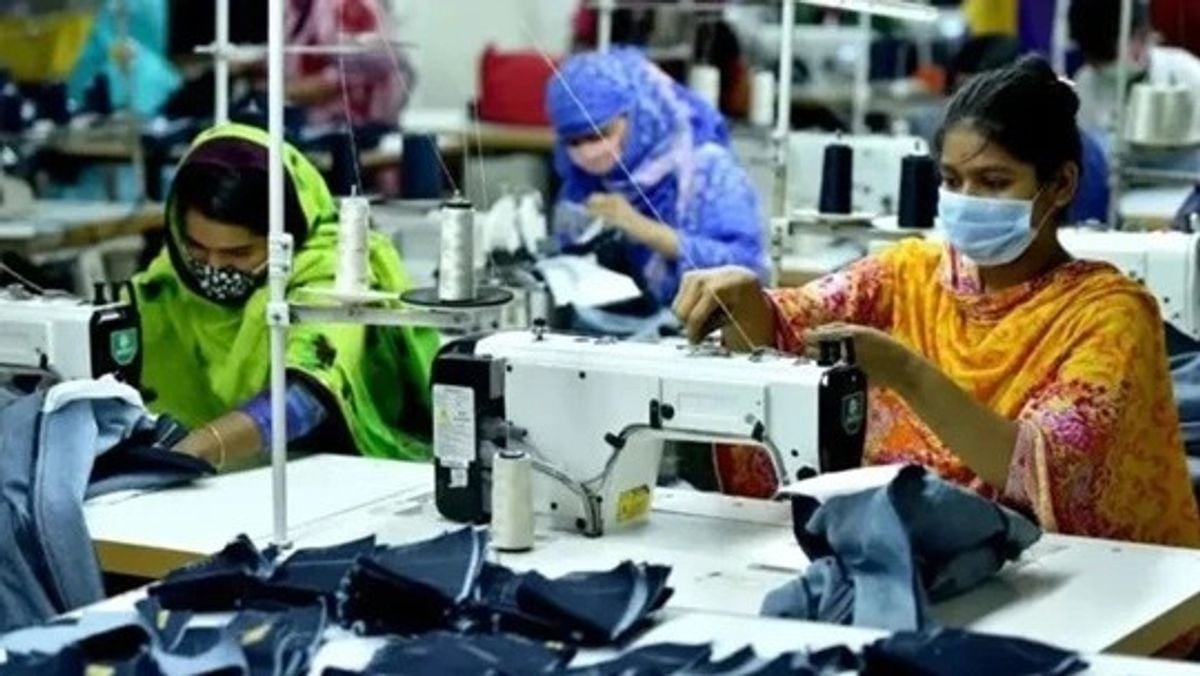
The factory supplies several global brands, including Walmart, Gap, and Next, and employs around 7,500 workers. Its diversified energy sources have helped minimize the impact of power outages and gas shortages affecting garment factories across the country.
These developments come as Bangladesh’s garment sector faces a broader crisis due to shortages of gas and electricity. A survey of 134 knitwear factories found that 55% had orders canceled or reduced by buyers due to energy shortages since late August, while 78% were forced to suspend part of their production.
Companies in the sector have reported shipment delays and, in some cases, have had to offer discounts to buyers. Other factories have resorted to air freight to meet delivery deadlines, further increasing operating costs.
Pressure on the sector intensified after Bangladesh raised fuel prices by up to 17.4%—the third increase since April—in an effort to cope with rising global oil prices and higher shipping costs linked to tensions in the Middle East.
The ready-made garment sector is one of Bangladesh’s main sources of foreign currency, accounting for more than 80% of the country’s total exports and providing jobs for around 4 million people. It also contributes about 10% of gross domestic product.
The escalating energy crisis highlights the challenges facing Bangladesh’s garment industry as production costs rise and fuel supplies become less reliable. This could affect the sector’s competitiveness and exports, prompting factories to accelerate investment in alternative energy sources and storage systems to ensure production continuity and meet commitments to global markets.