

Study links antioxidant-rich diets to lower cervical cancer risk
US research finds women with higher antioxidant intake may face an 11.4% lower risk of cervical cancer, but vaccination and screening remain key.
Key Takeaways
AIA recent US study has found that women who consume higher levels of antioxidants in their diet may be less likely to develop cervical cancer.
Published in the International Journal of Gynecology & Obstetrics, the study cautioned that the findings do not definitively prove that an antioxidant-rich diet prevents the disease, and called for further research to confirm the link.
Researchers analyzed data from 1,044 American women who participated in the National Health and Nutrition Examination Survey between 2003 and 2018, including 174 women with cervical cancer and 870 without the disease.
The team used a composite dietary antioxidant index, which measures intake of antioxidant nutrients, to compare dietary patterns among participants.
Results showed that each one-point increase in the index was associated with an 11.4% reduction in the prevalence of cervical cancer.
Women in the highest third of the antioxidant index had a 55.8% lower prevalence of the disease compared to those in the lowest third. Analyses indicated a linear inverse relationship between higher antioxidant intake and lower cancer prevalence.
Antioxidants help limit the effects of free radicals, which can cause oxidative stress and damage cells.
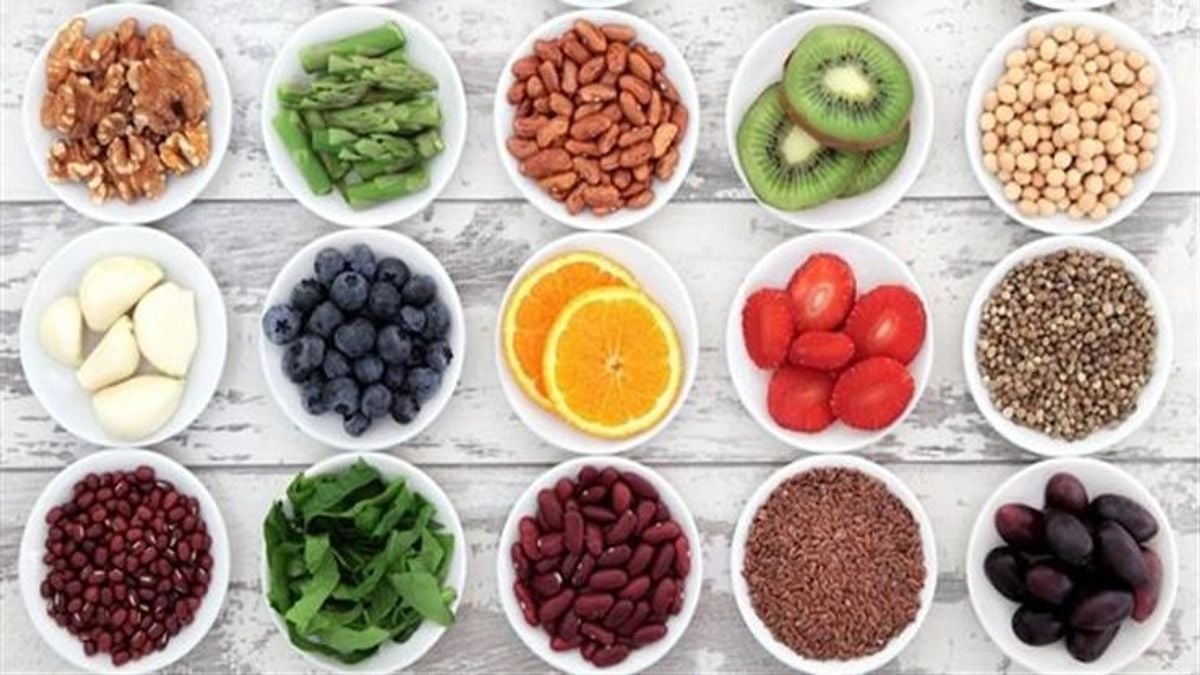
While diets rich in fruits and vegetables have been studied for their impact on chronic diseases and cancer, the existence of a possible biological mechanism does not confirm a direct protective effect.
Vaccination and regular screening remain key
Human papillomavirus (HPV), especially high-risk types, remains the main cause of most cervical cancer cases.
The study stressed that HPV vaccination and regular screening programs for early detection of precancerous changes remain the most effective preventive measures.
It noted that diet may play a supporting role in influencing inflammation, oxidative stress, and immune function, but determining whether antioxidants themselves are responsible for reduced cancer risk requires long-term studies and more precise measurements.
The study warned against relying on antioxidant supplements to achieve the same effect, as results did not show that high doses of supplements provide similar benefits, and large doses may carry risks.
The World Health Organization's vaccine policy advisory group explained that a single dose of the HPV vaccine offers similar protection to two doses for girls under 21.
The group recommends that women over 21 receive two doses six months apart, while women with weakened immunity should receive two or three doses.
Cervical cancer is the fourth most common cancer among women worldwide, with more than 340,000 deaths in 2020. Nearly 90% of cases and deaths occur in low- or middle-income countries.