

Mild Tihama climate boosts honey production in Asir
Beekeepers in Asir move hives to the warm Tihama plains as temperatures drop in the highlands, supporting honey yields and protecting bee colonies.
Key Takeaways
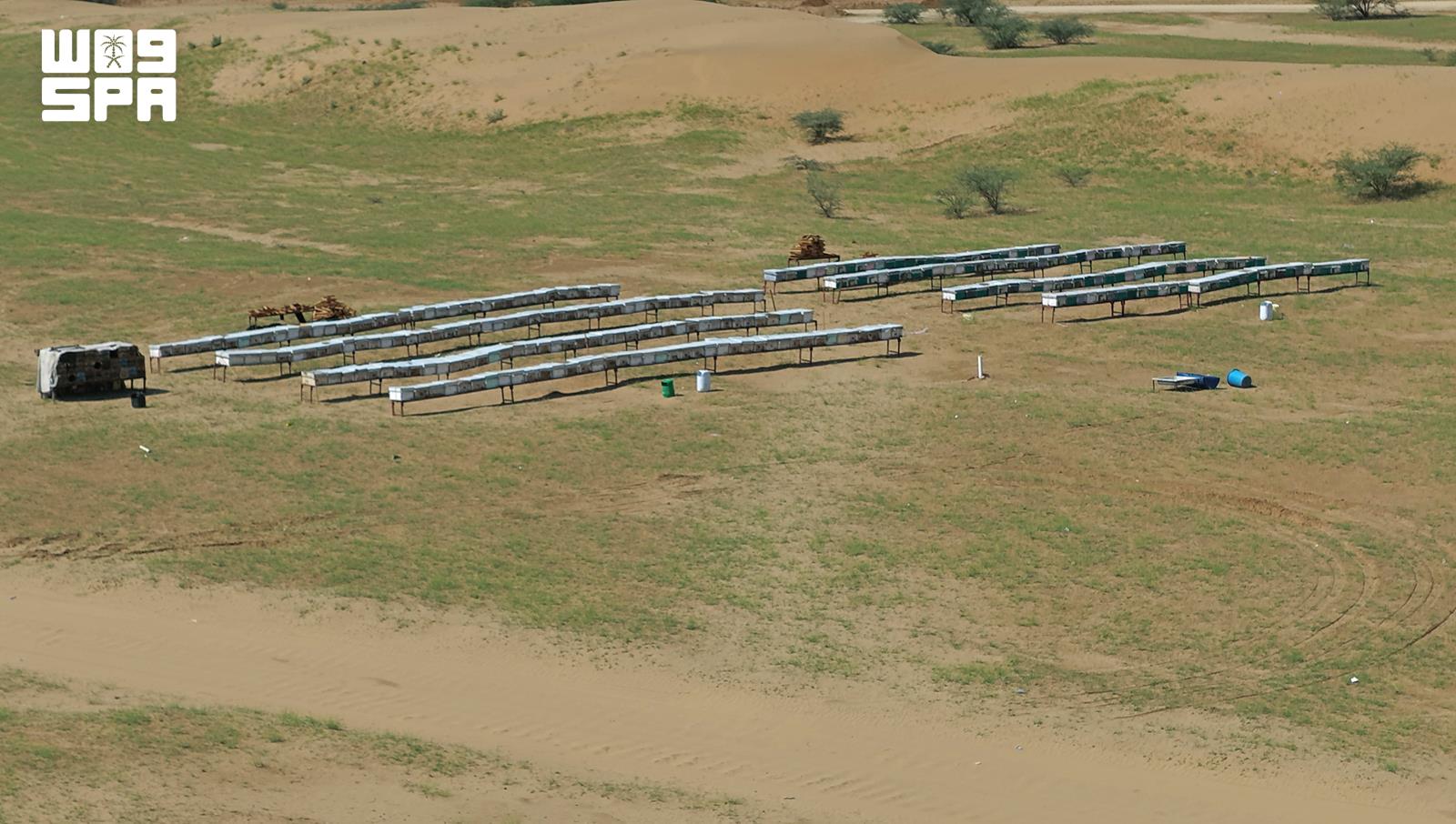
AIAs temperatures begin to fall in the highlands of Asir and the weather becomes milder in the Tihama plains and along the Red Sea coast, beekeepers start their seasonal migration by moving hives from the cold mountains to the warmer lowlands.
This traditional agricultural practice reflects the local community’s expertise in adapting to diverse climates and vegetation, aiming to protect bees and enhance honey production.
With the approach of winter, beekeepers head to the warm Tihama plains and valleys, where favorable weather and a variety of nectar-rich plants such as sidr, acacia, and talh provide bees with natural sources of nectar and pollen.
This practice helps maintain the vitality of bee colonies during the colder months, as low temperatures reduce bee activity outside the hive, while milder conditions extend foraging periods and food collection.
The importance of this seasonal migration goes beyond protection from the cold; it also strengthens colonies ahead of production seasons by maintaining worker bee numbers, ensuring natural food supplies, and creating optimal conditions for queen activity and egg-laying.
The success of this activity depends on carefully selecting apiary sites and monitoring plant conditions, requiring flowering pastures, clean water sources, avoidance of windy or flood-prone areas, and maintaining proper distances between hives.
The relocation process requires special care, starting with choosing times when bees have returned to their hives, securing boxes during transport, and then stabilizing them at new sites to help colonies adapt and resume activity.
Effective management of these practices improves honey quality by ensuring natural nectar sources and healthy colonies, while adhering to proper harvesting schedules and hygienic extraction, packaging, and storage methods.
This seasonal tradition also has economic and social significance, rooted in a professional heritage passed down through generations of Asir beekeepers. It supports the rural economy, diversifies family incomes, stimulates local markets, and highlights the bees’ environmental role in pollination and biodiversity.