

Historic marble plaque at Haramain Architecture Exhibition chronicles Grand Mosque’s 300-year history
A rare marble plaque from 1662 is on display at the Haramain Architecture Exhibition in Makkah, documenting centuries of Grand Mosque development.
Key Takeaways
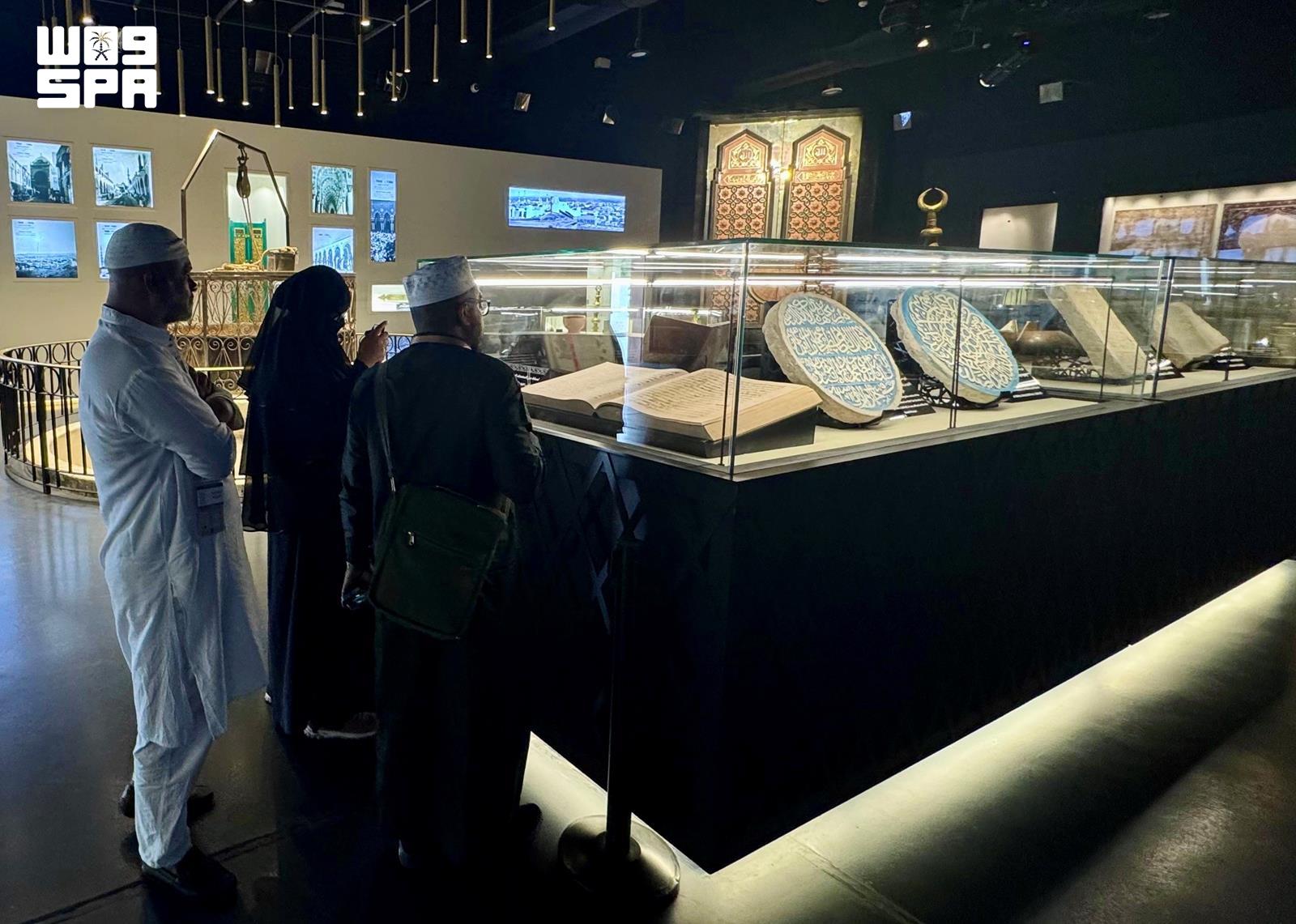
AIThe Haramain Architecture Exhibition in Makkah is showcasing a historic marble plaque dating back to 1073 AH (1662 CE), which documents works completed in the arcades of the Grand Mosque more than three centuries ago. This plaque is considered one of the rare artifacts highlighting the evolution of the Grand Mosque’s architecture and the care it has received throughout the ages.
The plaque draws visitors with its documentary value, serving as an example of the documentation methods used to record architectural changes and developments at the Grand Mosque. It also reveals the ways in which construction and facility works related to the holy site were historically chronicled.
Diverse artifacts documenting Haramain history
The exhibition features a wide array of historical artifacts, including architectural elements, inscriptions, manuscripts, and items linked to the Kaaba and the Two Holy Mosques. It also displays historical photographs and models illustrating the architectural and urban development of the Grand Mosque and the Prophet’s Mosque.
Located in the Umm Al-Joud district of Makkah, the Haramain Architecture Exhibition covers an area of about 1,200 square meters and houses seven specialized halls focusing on various aspects of the history of the Two Holy Mosques. These include halls dedicated to the Grand Mosque, the Kaaba, the Prophet’s Mosque, manuscripts, photographs, Zamzam, as well as models and archaeological artifacts.
Advanced cultural and archival role
The significance of the displayed artifacts lies in their ability to shed light on the architectural transformations of the Two Holy Mosques, providing historical insights through inscriptions and architectural features. The exhibition connects original artifacts to their historical context, enhancing its cultural role as a window into the history of Islamic architecture.
In this context, the exhibition has undertaken efforts to digitally document its collection using scanning, photography, and 3D design technologies, aiming to preserve the details of historical pieces and make them accessible to researchers and visitors in modern formats.
The marble plaque and other displayed items offer visitors a chance to reflect on the layers of history preserved within the Grand Mosque’s arcades, and to appreciate the ongoing care for its architecture and heritage, within a museum experience that blends historical artifacts, architectural documentation, and cultural knowledge.