

US study finds immune drug effective for alopecia areata hair regrowth
A US study shows upadacitinib, an immune drug, helps most alopecia areata patients regrow hair within six months, with improved quality of life and few side effects.
Key Takeaways
AIA recent US study has found that upadacitinib, a drug used to treat arthritis and Crohn’s disease, may also be effective in treating alopecia areata.
The results showed that more than half of patients suffering from baldness regained nearly all the hair on their scalps after six months of treatment.
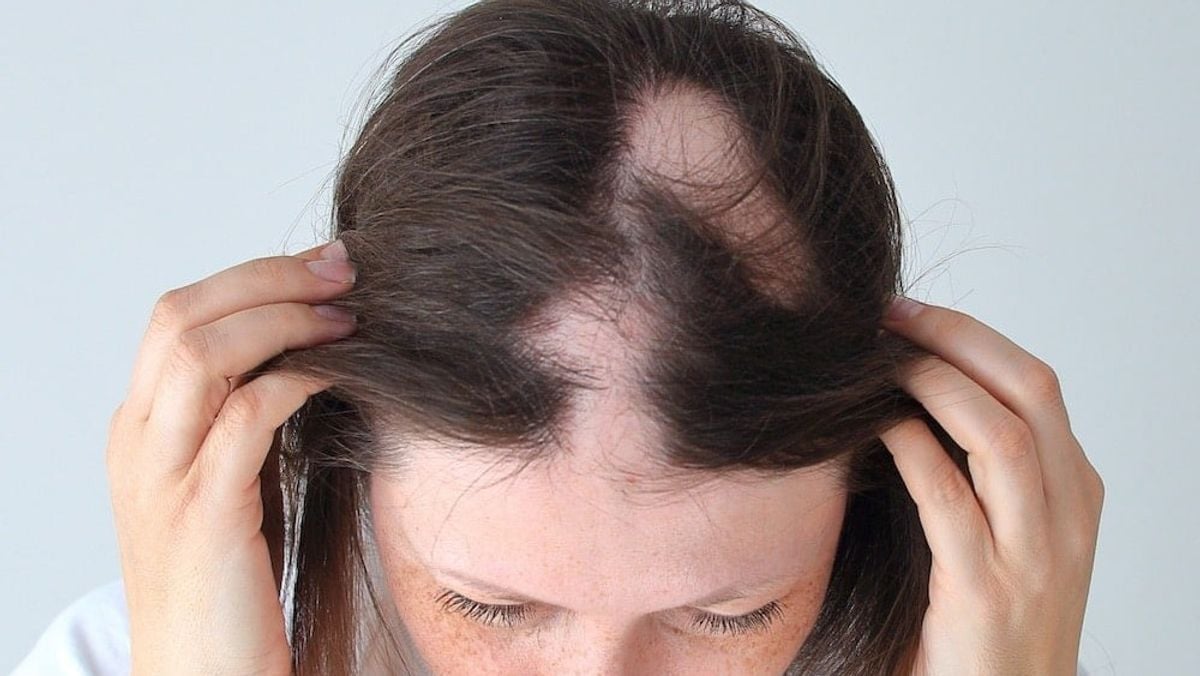
Upadacitinib works by suppressing immune system activity to prevent it from attacking hair follicles—the mechanism behind hair loss in alopecia areata, an autoimmune disorder that causes patchy, round or oval hair loss on the scalp, beard, or other parts of the body.
The study noted that alopecia areata is a non-contagious condition that can affect men and women of any age, with about half of cases starting in childhood.
Dermatologists believe previous infections and stress are possible triggers, and the condition is also linked to thyroid disease, vitiligo, and type 1 diabetes.
Although there is currently no cure, four out of five patients with limited hair loss may experience spontaneous regrowth within a year without treatment. However, this rate drops to one in ten for those who lose more than half or all of their hair.
Study details and findings
The study’s results were based on two large international trials led by dermatologists at Brigham and Women’s Hospital, involving around 1,400 patients aged 12 to 64, all with severe alopecia areata and hair loss lasting up to eight years without spontaneous regrowth in the six months prior to the study.
Participants were randomly assigned to three groups: one received 15 mg of the drug daily, another 30 mg daily, and a third group received a placebo.
After 24 weeks, about 45% of those on the lower dose and 55% on the higher dose achieved at least 80% scalp hair coverage, compared to just 3.4% in the placebo group.
Most patients showed significant improvement within two months of starting treatment. About one in five patients on the higher dose regained full scalp hair after six months, while others saw improvements in eyebrow and eyelash growth and overall quality of life.
The most common side effects were acne, upper respiratory tract infections, and cold-like symptoms, with no new safety concerns identified during the trial.
The research team wrote in JAMA Dermatology that the drug represents a promising treatment option for this group of patients.