

Red Sea requires ongoing monitoring as Mediterranean faces highest microplastic pollution risk, says marine institute
Egypt's National Institute of Oceanography and Fisheries warns of rising microplastic pollution in the Mediterranean and Red Sea, urging continuous monitoring and protection.
Key Takeaways
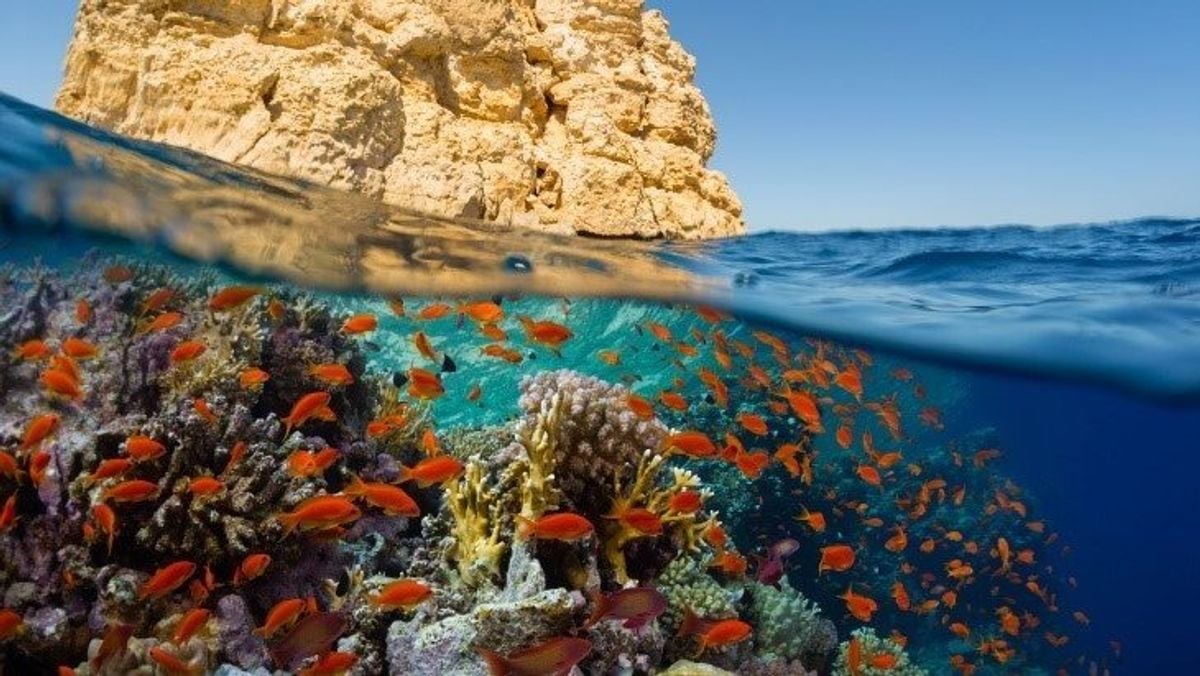
AIEgypt's National Institute of Oceanography and Fisheries has warned of increasing risks from microplastic pollution in both the Mediterranean and Red Sea, noting that the Mediterranean is among the most affected by human activities. The institute stressed that the Red Sea, with its unique coral reefs and biodiversity, requires continuous monitoring and protection programs, as microplastic particles threaten marine environments and organisms, and can enter the human food chain.
In a statement on Tuesday, the institute explained that Egypt's seas face growing challenges due to high coastal population density, tourism, maritime transport, coastal industries, and the rising use of plastic products. These factors contribute to large amounts of waste entering the marine environment, gradually breaking down into microplastic particles that are difficult to remove.
The institute added that microplastics are plastic particles less than 5 millimeters in size, produced either by the breakdown of larger plastic waste—such as bags, bottles, and fishing gear—due to sunlight, waves, and natural factors, or manufactured in small sizes for industrial uses. Fine synthetic fibers released during clothes washing are also a major source.
It continued that plastic waste from daily activities, coastal areas, tourism, fishing, and rainwater runoff are key sources of marine plastic pollution. Over time, this waste breaks down into tiny particles that remain suspended in the water or settle on the seabed, and can be transported long distances by currents. The institute emphasized that the danger of microplastics is not only their persistence in the marine environment, but also their impact on marine life, which may ingest these particles while feeding—especially species that rely on fine particles in water and sediments. This can disrupt feeding and digestion, reduce growth and reproduction rates, and allow chemical pollutants to adhere to the particles' surfaces.
The institute explained that microplastics can move through the food chain, starting with microscopic marine organisms and reaching fish consumed by humans. This has made microplastic pollution a major environmental issue of growing concern in scientific research, due to its potential effects on human health and the sustainability of fish stocks.
The report noted that the National Institute of Oceanography and Fisheries continues to conduct research and scientific surveys to assess the state of Egypt's marine ecosystems, monitor changes, and provide scientific support to decision-makers, contributing to the protection of natural resources and sustainable management of the marine environment.