

Mouthwash sample shows promise for early detection of deadly cancers, study finds
A new study suggests oral bacteria collected via mouthwash could help detect certain cancers early through a simple, non-invasive test.
Key Takeaways
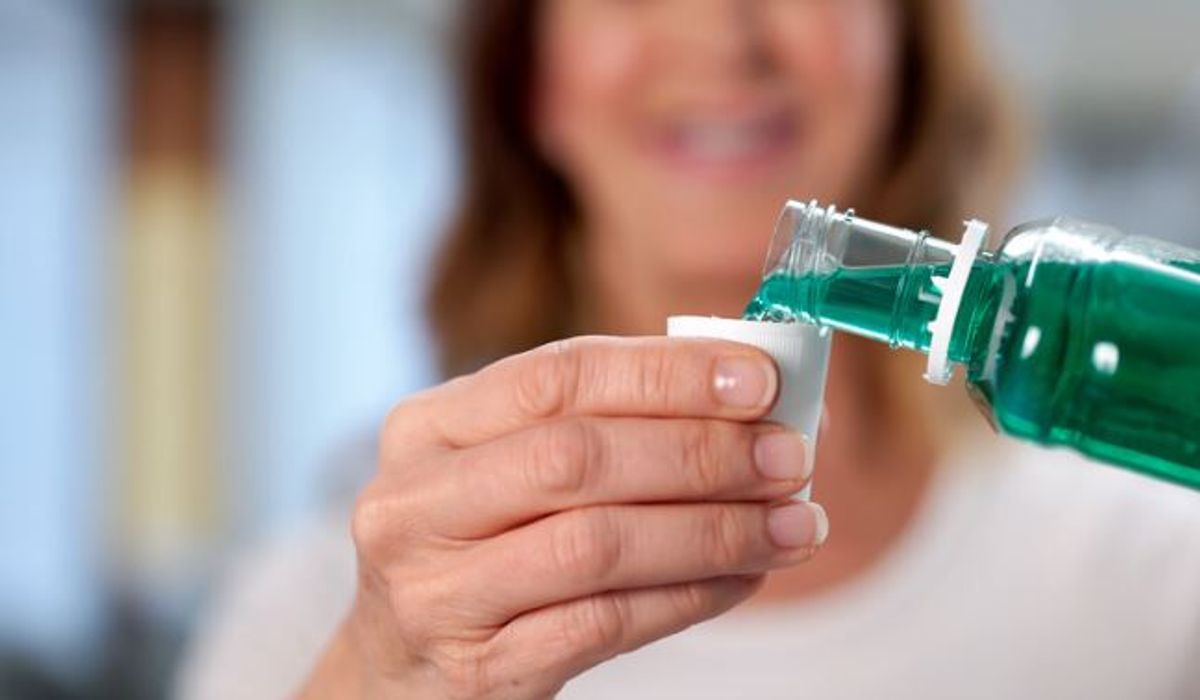
AIA recent study has revealed promising indicators in oral bacteria that could, in the future, help detect certain types of cancer using a simple, non-invasive sample collected with mouthwash.
It is scientifically known that oral health is linked not only to teeth and gum health, but can also reflect various aspects of overall health. The gums, tongue, and teeth host large and diverse populations of bacteria, which have been associated with changes seen in several health conditions, including heart disease, anemia, and infections.
According to the British newspaper Daily Mail, the new study involved South Korean scientists examining mouth and stool samples from more than 500 people, including healthy individuals, those with metabolic disorders such as diabetes and high blood pressure, as well as patients with stomach cancer and colorectal cancer.
The researchers analyzed the microbial DNA in the samples using gene sequencing technology, and developed an indicator called the "mouth-fecal similarity index" (MF) to measure the similarity between bacteria found in the mouth and those in the gut.
The study's results showed a clear difference between groups: patients with stomach and colorectal cancer had distinct microbial patterns, along with a significant increase in the mouth-fecal similarity index. This increase was not observed in people with metabolic disorders.
The scientists compared these findings to the fecal occult blood test, a common screening tool for colorectal cancer. The mouthwash samples demonstrated a higher ability to distinguish between cancer patients and healthy individuals in the study.
Models based on mouth sample data were able to differentiate between cancer patients and healthy participants across various groups. The link between microbial indicators and cancer remained even after accounting for lifestyle factors such as alcohol consumption, exercise, and body mass index.
Sun Ha Jee of Yonsei University, one of the study's co-authors, said that finding oral-associated bacteria in the guts of cancer patients was not entirely surprising, but the scientists did not expect the degree of microbial signal differences between patient groups or the amount of information that could be obtained from mouth samples alone.
The researchers believe these findings could pave the way for developing new, simpler, and less invasive screening methods for gastrointestinal cancers. The research team plans to conduct further studies on people who have not yet been diagnosed with cancer, to verify the results and determine whether the transfer of bacteria between the mouth and gut contributes to cancer development or is a result of the disease.
According to the Daily Mail, the research team emphasized that the method is still in the research phase and requires more studies and clinical trials before it can be widely used. They noted that if future research confirms the results, collecting a mouth sample with a simple rinse could become an easy, minimally invasive option that may also help expand early screening for some gastrointestinal cancers.