

Rising beef prices drive Americans to cheaper alternatives
After nearly two years of soaring beef prices, Americans are shifting to more affordable protein sources as consumer tolerance for high costs wanes.
Key Takeaways
AIAfter almost 24 months of continuous increases in beef prices, Americans are finally showing signs of a significant shift in a market where dwindling cattle herds have repeatedly pushed prices to record highs. While consumers had continued buying enough meat to support these higher prices, their willingness to pay is now weakening, even during a time of year when demand is typically at its peak, according to Bloomberg News.
Beef sales volumes fell by 0.3% during the 13 weeks ending in mid-July—a key period that includes Memorial Day and July 4th—compared to the same period last year, according to research firm Circana. In contrast, the previous two years saw volumes rise by about 5% during this timeframe. Meanwhile, chicken consumption continues to climb, with abundant supply keeping prices under pressure.
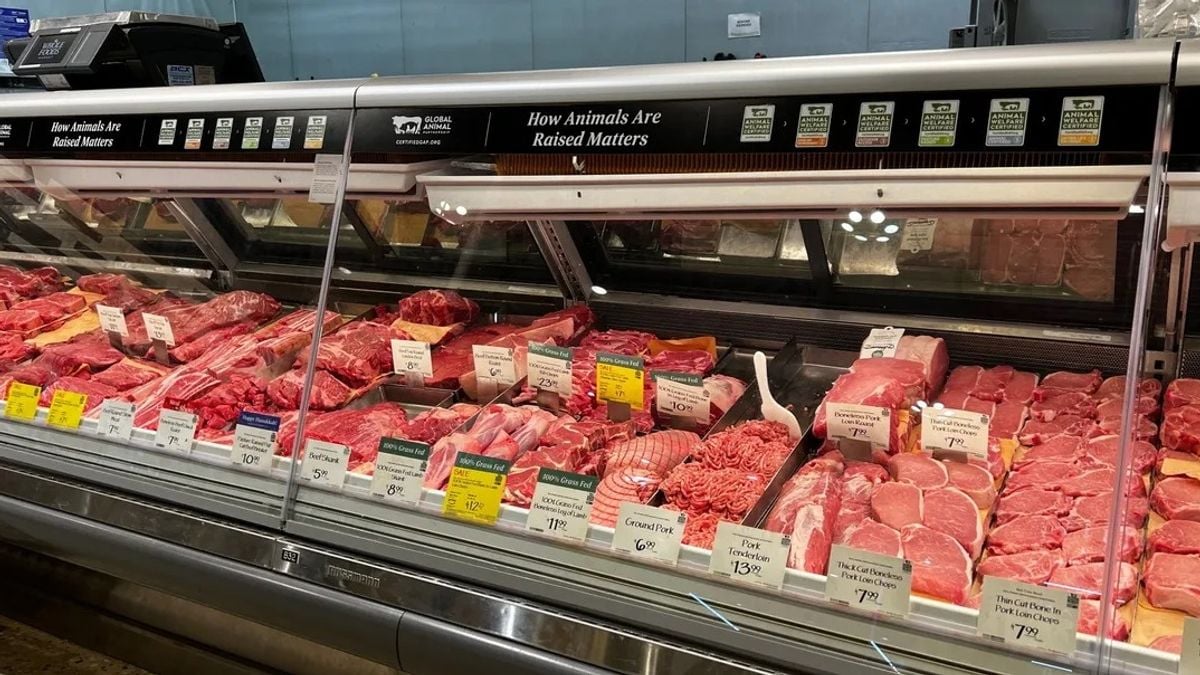
This shift suggests there is a ceiling to what Americans are willing to pay for beef, one of the main drivers of food inflation. Consumers who initially responded to higher prices by cooking at home or choosing cheaper cuts are now increasingly reducing their overall beef consumption or switching to less expensive protein sources.
Chris DuBois, executive vice president at data analytics firm Circana, said: “Consumers are under pressure. It’s not always just about food prices—overall living costs are weighing on them, which affects total store purchases.”
The sharp rise in beef prices has become a major concern for President Donald Trump’s administration ahead of the midterm elections, as the cost of staples like eggs, ground beef, and gasoline play a significant role in shaping consumer perceptions of inflation.
The US has sought to ease pressure by increasing meat imports from countries including Argentina and moving to resume live cattle shipments from Mexico. Meat processors, facing higher cattle costs, have also closed some plants to reduce competition for scarce animals, including a move announced by Tyson Foods last Thursday.
Shawn Sparks, managing director at The Sparks Group, a protein supply and trading company, said: “Seasonal demand is typically one of the strongest factors supporting beef prices. When demand starts to fall during peak grilling season, it signals that price tolerance has become a more important factor.”
Sparks added that sales will likely still get a boost from Labor Day, but the improvement will be “somewhat more moderate compared to previous years.”
Signs of weaker demand have helped drive wholesale beef prices and live cattle futures sharply lower since late June. Futures in Chicago hit their lowest level since December in late July after the US Department of Agriculture announced plans to resume cattle imports from Mexico later this month, following a ban of more than a year to prevent the spread of the deadly screwworm parasite. The market hit a new nine-month low last Friday after Tyson announced its latest plant closures.
The 250th anniversary of US independence and the FIFA World Cup have helped extend beef consumption, but Michael DiSabato, founder of Highline Consulting Group, said: “The market, in my view, was looking for a chance to catch its breath after dealing with high prices for so long, and this was the first opportunity for consumption to dip a bit.”
Fast-food chains have already noticed the trend. Michelle Hook, chief financial officer at Shake Shack, said during an investor call this month that beef price inflation in the second half of the year will be “a little less severe.” Restaurant Brands International, owner of Burger King, said it expects some relief, though “a much larger portion of that” will be seen at the start of 2027.