

Traditional pottery retains cultural significance in Makkah despite modern lifestyles
Pottery, once a daily essential in Makkah, has evolved into a cherished heritage symbol, adorning homes and evoking memories of the city's past.
Key Takeaways
AIPottery was once an integral part of daily life in Makkah, woven into the memories of local households and their practices for storing water, preserving food, and serving meals. As modern appliances and utensils became widespread, the everyday use of pottery declined, giving way to its role as a heritage and decorative element.
Pottery vessels were not merely utilitarian; they met the needs of families through simple means suited to the era's living conditions. Their shapes and sizes varied according to their purpose—whether for storing drinking water, keeping foodstuffs, or serving meals—demonstrating people's understanding of natural materials and their ability to use them effectively.
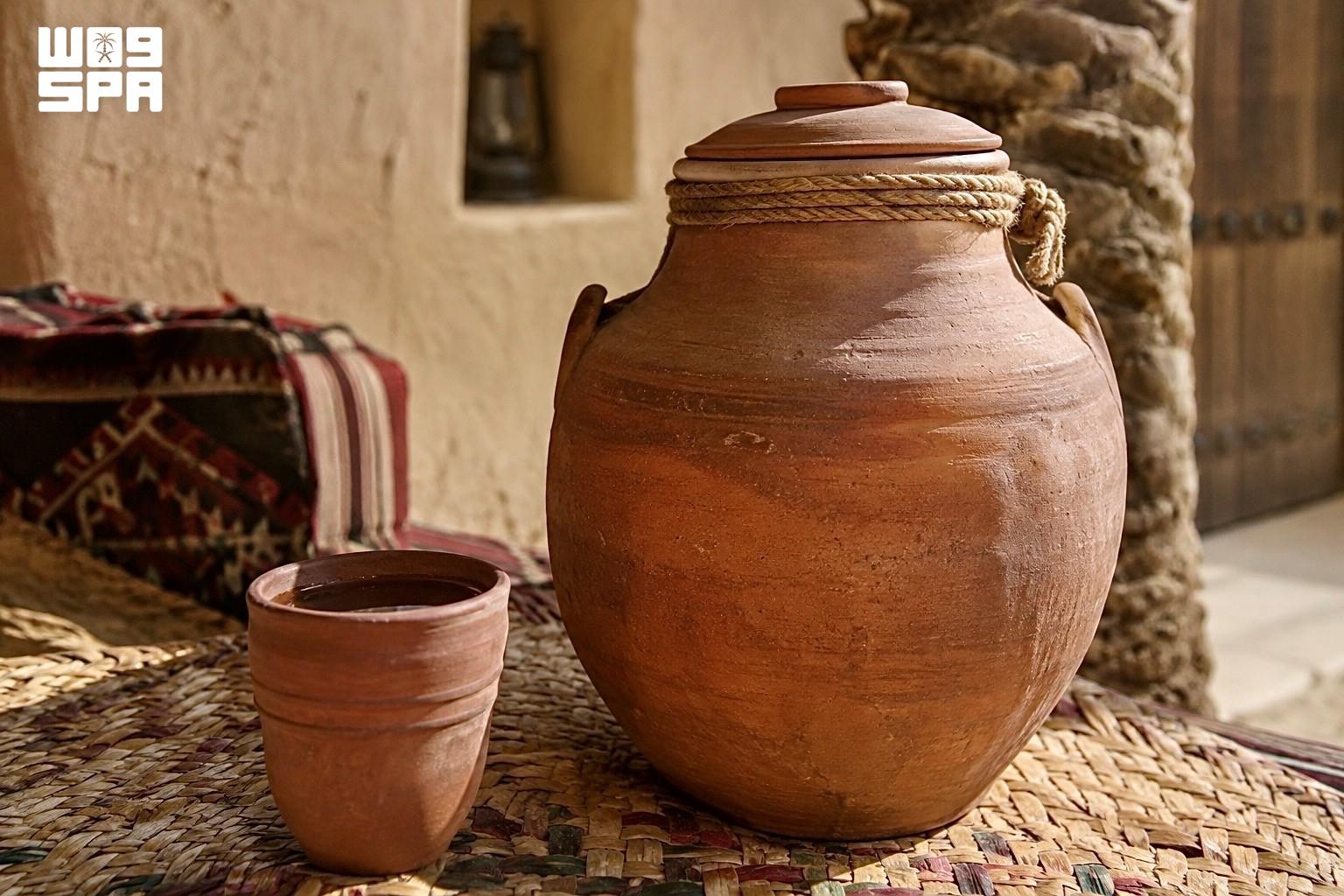
Among the most notable pottery items in Makkah homes was the "zeer," a vessel used to store drinking water. Its porous nature helped cool water before the advent of refrigerators. Clay water coolers were also common, placed in accessible spots for family members and guests, and kept water relatively cool thanks to evaporation.
Pottery also played a role in preserving food and storing daily necessities, with clay containers used for storage and serving dishes reflecting the simplicity and multifunctionality of household items of the time.
Changing uses with the advent of modern technology
With the arrival of electricity and the spread of refrigerators and modern utensils made from stainless steel, glass, and ceramics, pottery shifted from a daily staple to a heritage presence. Kitchens saw a transformation in food storage and serving tools, and pottery vessels became less common after once being household essentials.
Conversely, pottery found new life as a decorative element in contemporary Makkah homes, used for adornment in living rooms and entrances. This adds a traditional touch that reflects pride in local heritage and the memory of place.
Despite its decline in daily use, pottery remains alive in popular memory, representing a tangible heritage that deserves documentation for the skills of traditional craftsmen and the diverse needs of society it reveals. Repurposing pottery in decor allows new generations to connect with tools that were once part of their parents' and grandparents' lives.
In Makkah, pottery endures as a testament to past daily life, with water and food vessels telling the story of simple tools that served many functions, preserving the value of local memory and the details of Makkah's way of life over time.