

Weight-loss drugs linked to higher hair loss risk in men, NYU study finds
NYU researchers report GLP-1 drugs for diabetes and obesity may raise hair loss risk in genetically predisposed men.
Key Takeaways
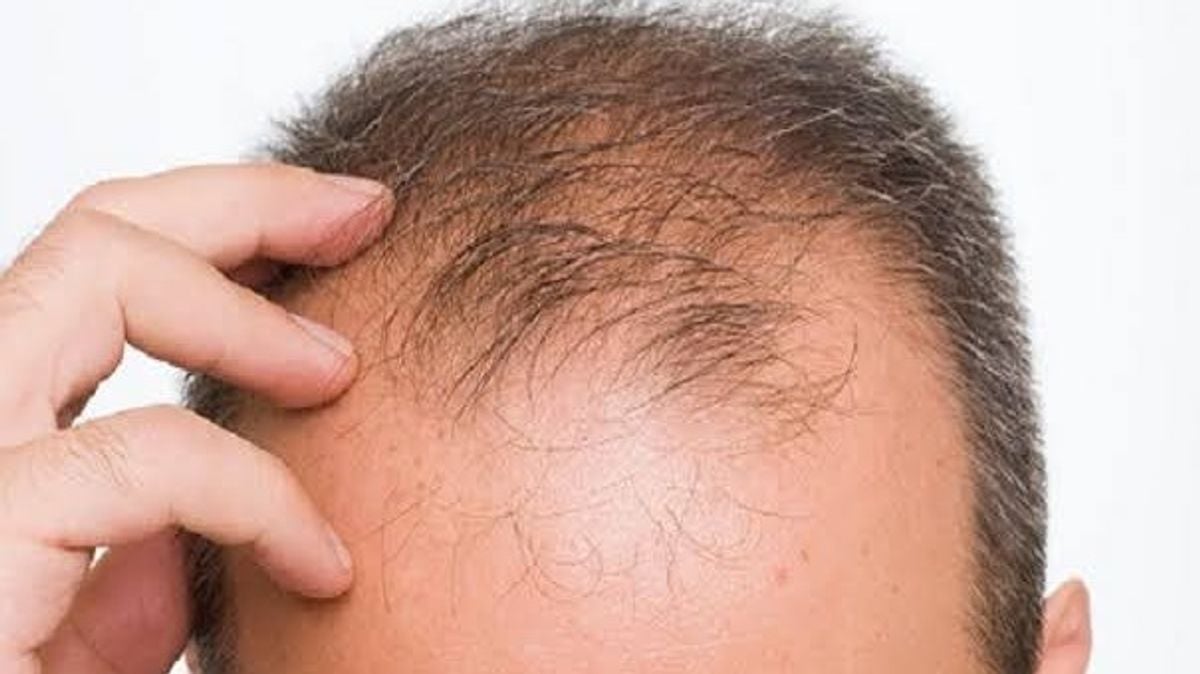
AIA recent study by researchers at NYU Langone Medical Center has found a possible link between the use of common GLP-1 drugs for diabetes and obesity and an increased risk of male pattern hair loss in men with a genetic predisposition to the condition.
The study found that men with genetic factors associated with androgenetic alopecia, the most common form of hair loss in men, may face a 7% higher risk of hair loss when using GLP-1 receptor agonists such as Ozempic, Wegovy, and Zepbound.
Researchers focused on the GLP1R gene, which is involved in producing GLP-1 receptor proteins, and compared genetic data related to this gene's activity with data from men affected by androgenetic alopecia.
The comparison revealed a link between increased GLP1R activity and a higher likelihood of hair loss.
To ensure the relationship was not due to other factors, the researchers accounted for high blood pressure, insulin resistance, and low testosterone levels. The increased risk of hair loss remained at about 7% after these adjustments.
Some men and women using GLP-1 drugs have reported hair thinning and loss after starting treatment, with rapid weight loss often cited as the cause. However, the new study provides genetic evidence that inherited risk may also play a role.
Lead researcher Lynn Petukhova said the findings could help identify people most at risk of hair loss before starting treatment, emphasizing the need for further research to understand the biological mechanism linking GLP-1 activity and hair follicle growth.
The study was published online in the journal Investigative Dermatology.